







In Cantonese cooking, the quality of a dish often lies in the details. The freshness of the ingredients, the precision of the technique, and an understanding of how flavours come together all play a part in creating a memorable meal. These fundamentals remain central to Grand Imperial’s approach, even as it continues to cater to changing tastes and expectations.
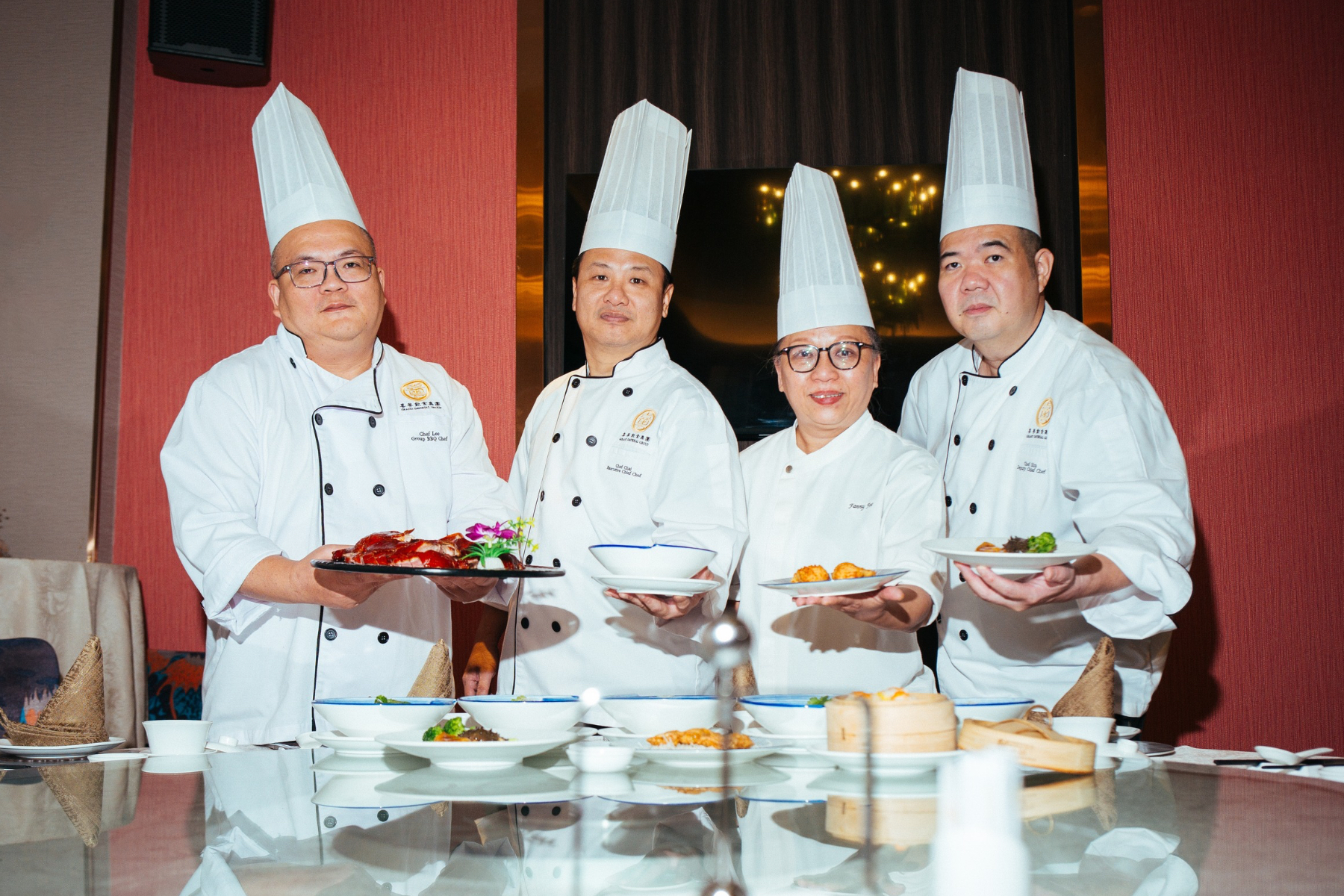
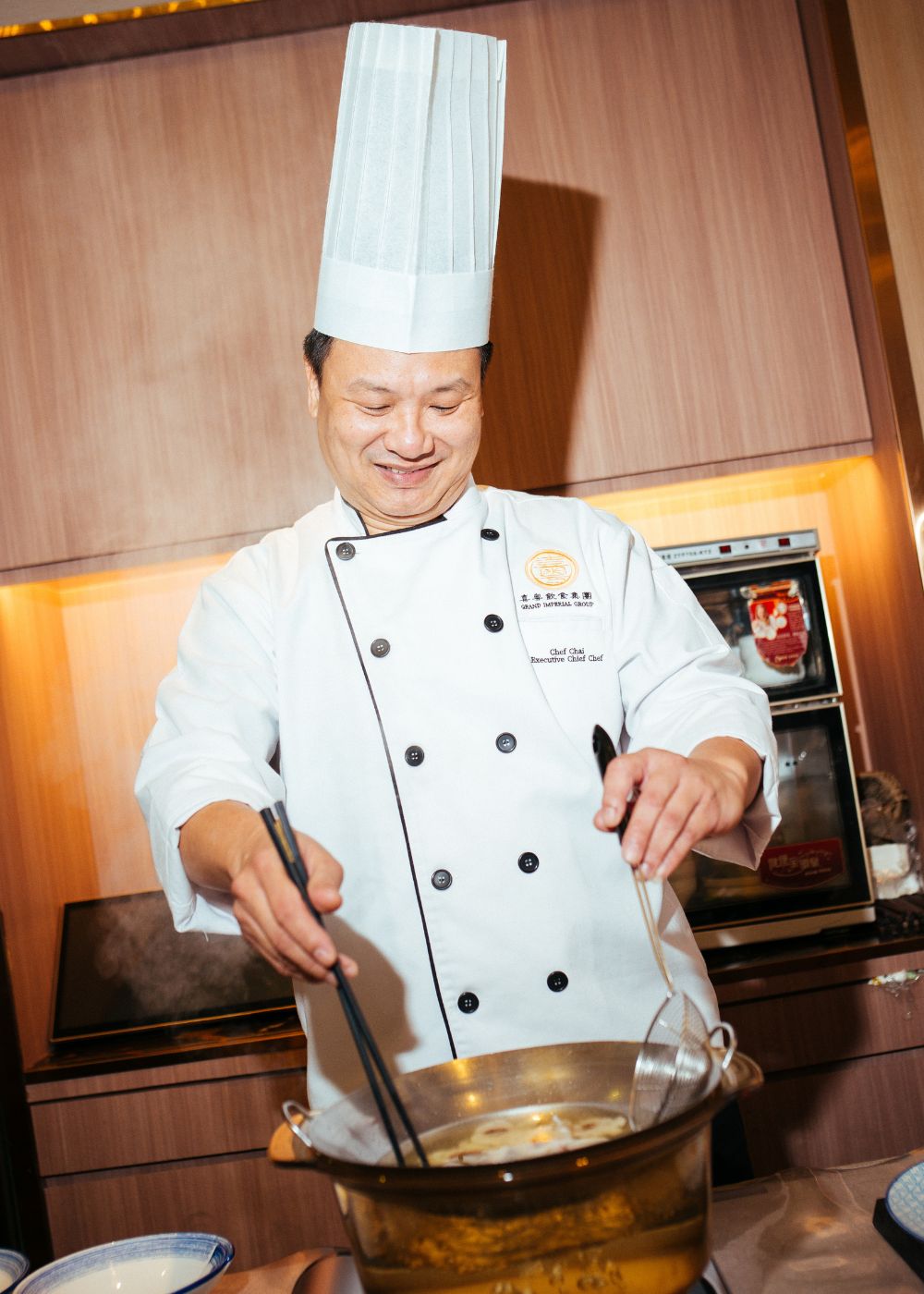
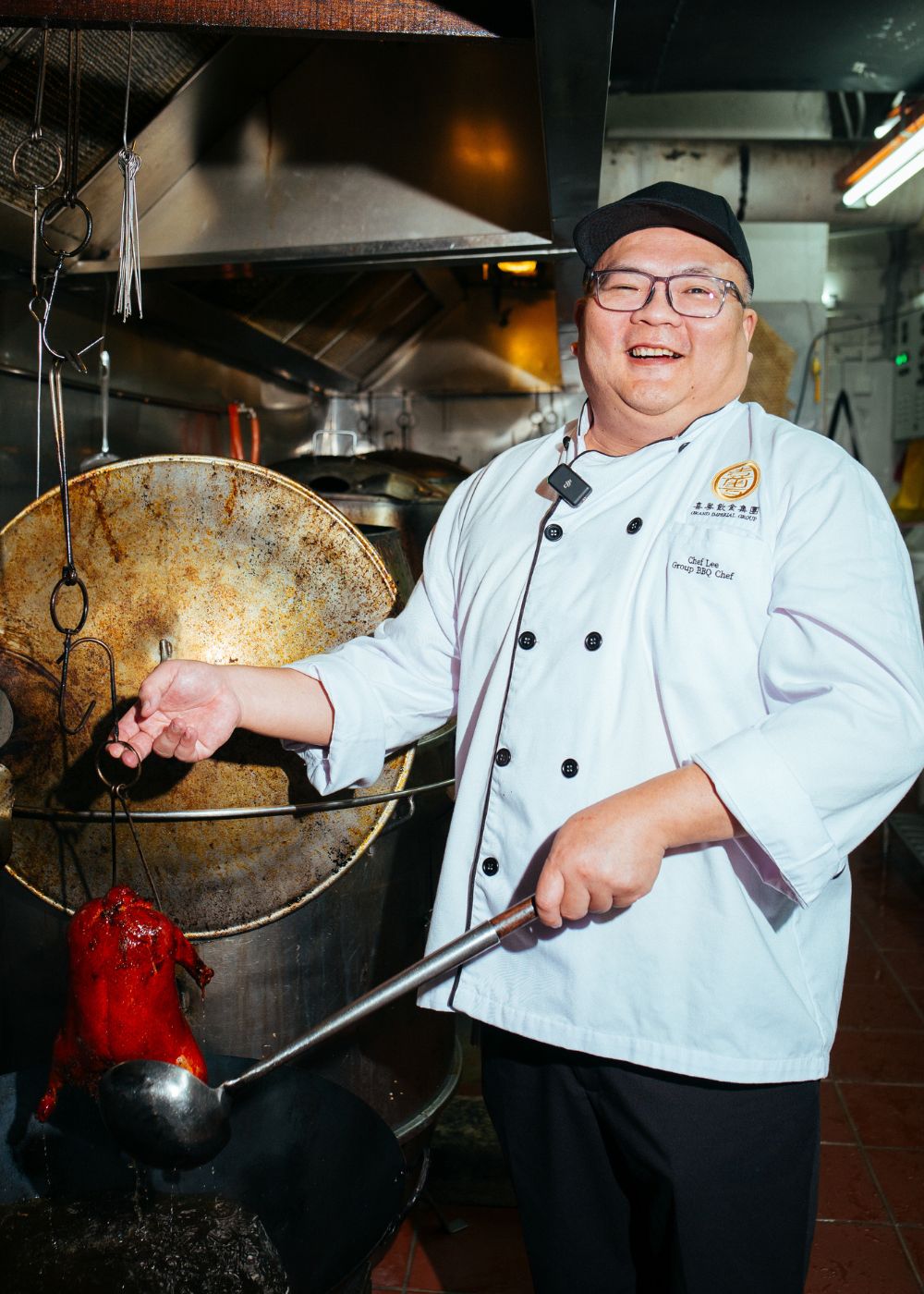
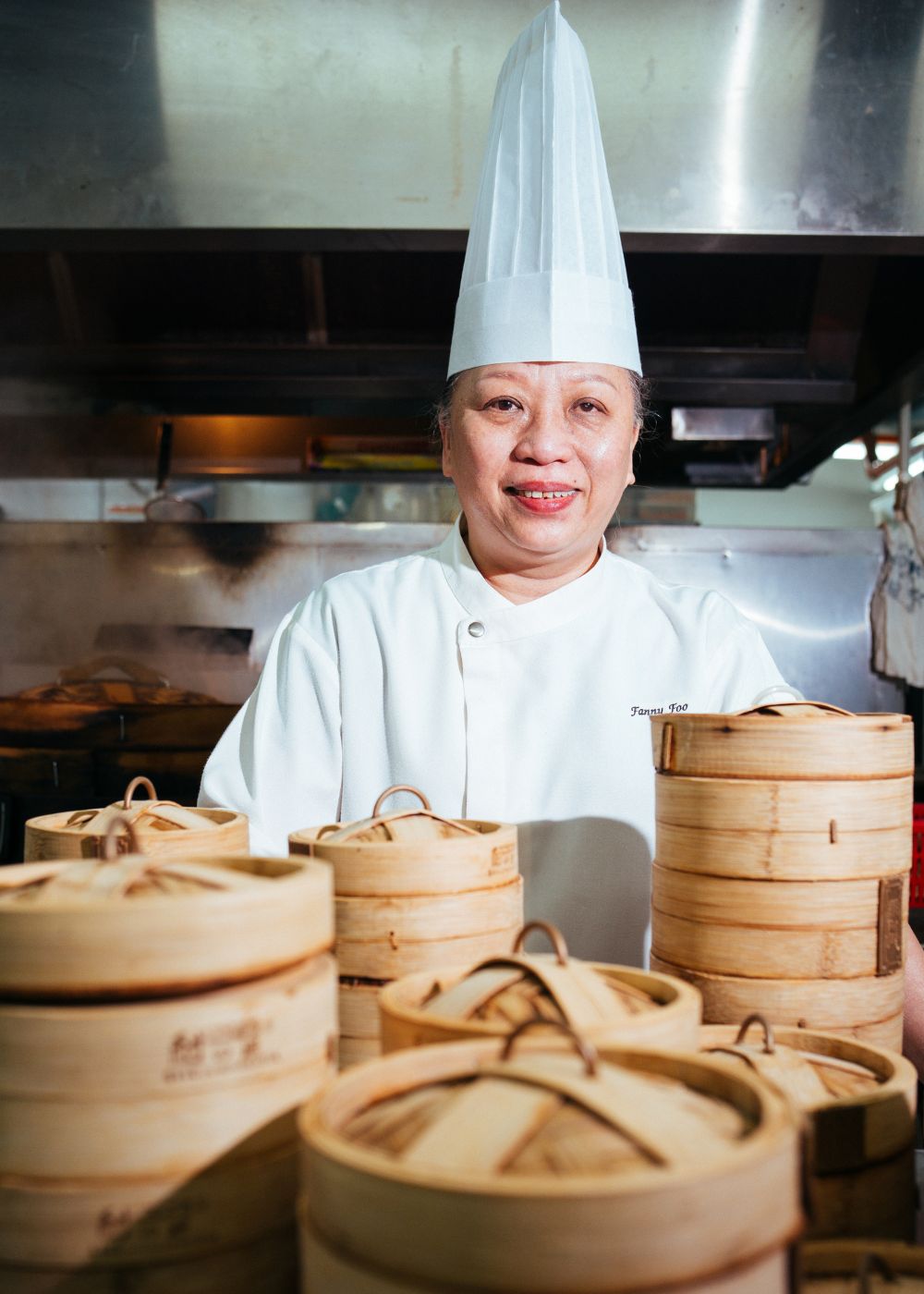
In this episode of In The Kitchen, we meet four members of the culinary team: Chef Chai Wan Loong, Group Executive Chef; Chef Sim Seng Liang, Deputy Sous Chef; Chef Fanny Foo Yoke Kuan, Group Executive Dim Sum Chef; and Chef Lee Swee Aik, Head of BBQ.
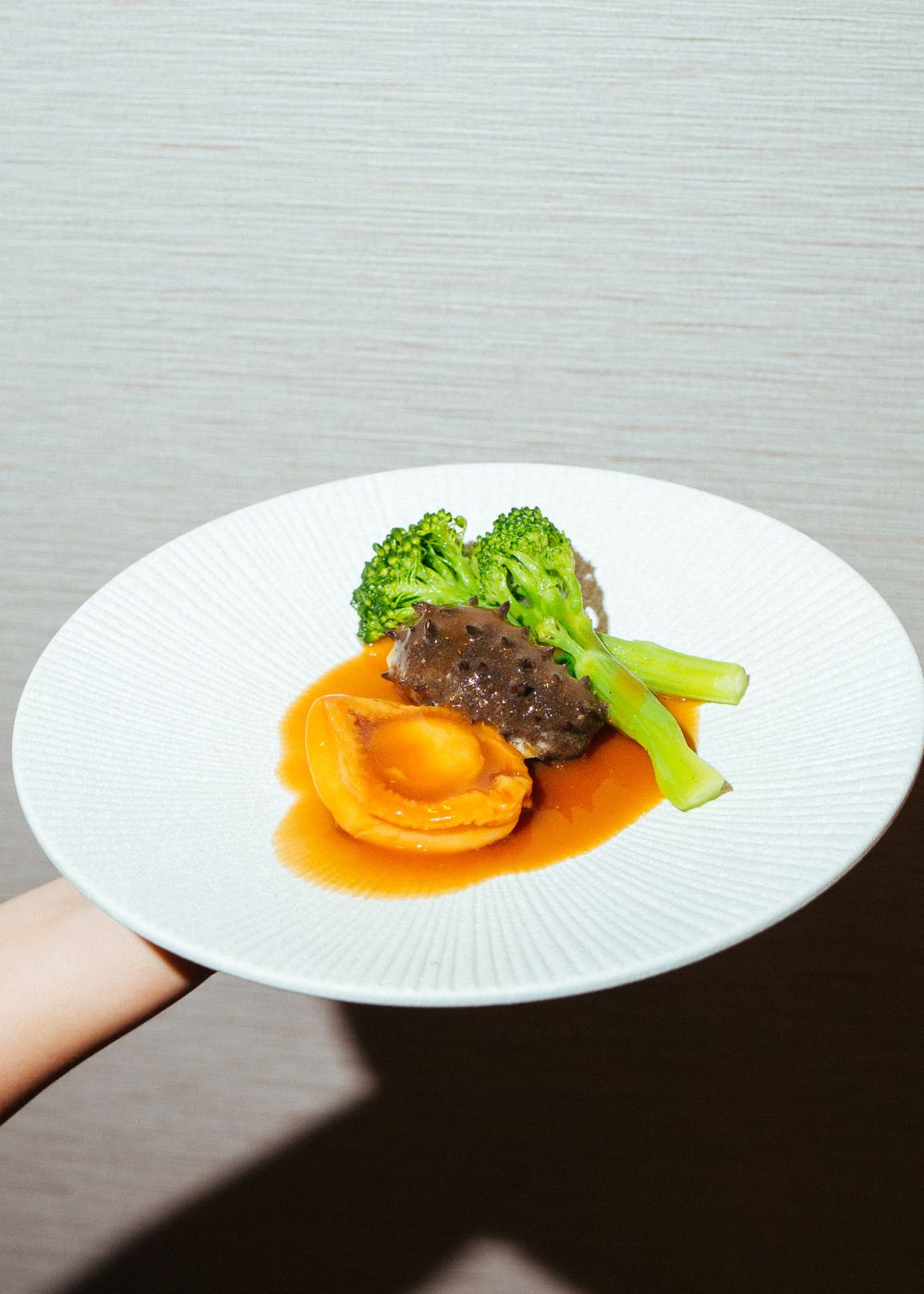
We visited Grand Imperial’s Sri Hartamas branch on a sunny weekday afternoon, just as the restaurant is bustling with lunch crowds. If you have dined at a traditional Chinese banquet restaurant, the setting is probably familiar: large round tables with lazy susans, carpeted floors, and chandeliers overhead. But how many of us have ventured beyond the dining hall and into the kitchen?
The scene behind the scenes is quite different. The kitchen is a sprawling, busy operation, with different sections handling various stages of preparation and cooking. Nearly 20 staff members are on the move at any given time, collecting ingredients, carrying dishes, coordinating orders and navigating around one another in a constant flurry of activity. It is a carefully coordinated operation where everyone has a role to play, and there is rarely a moment to stand still.
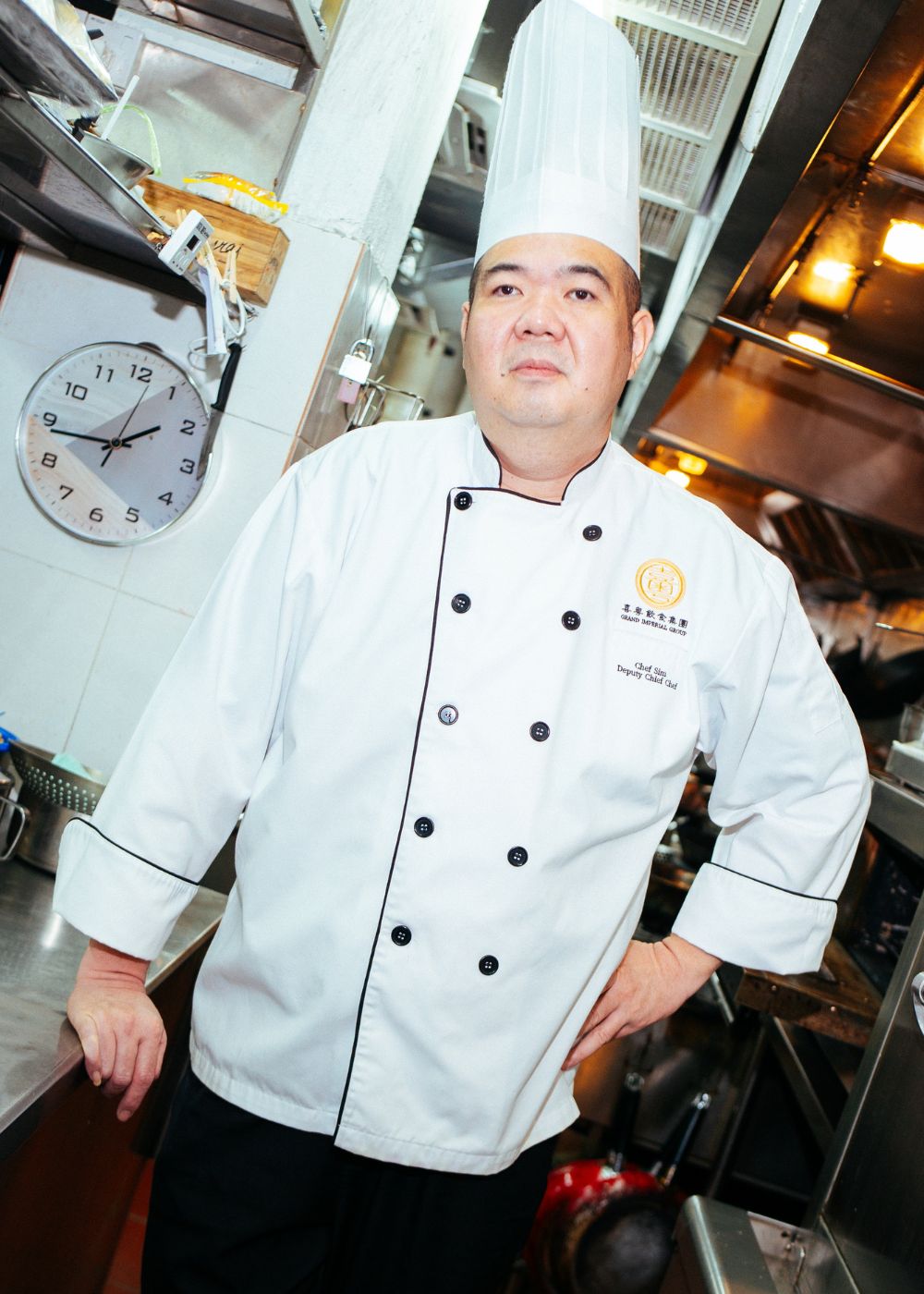
Amid the bustle, we sit down with the four chefs to learn more about their journeys in the kitchen, their approach to Cantonese cuisine, and what it takes to maintain the standards Grand Imperial has upheld over the years. Their insights offer a glimpse into the craft behind the menu and the people who continue to shape Grand Imperial’s culinary identity.
After all, a restaurant’s legacy is not defined by its name alone, but by the people and passion behind every dish.
1. What inspired you to become a chef?
Chef Chai: I was poor and didn’t have much money for food, so I ended up working in the kitchen. After doing it for awhile, I realised I had some interest in food too.
Chef Fanny Foo: Since our education wasn’t particularly high, we chose to go into the food and beverage industry as it offered us a sense of security. Back then, having a practical skill was more important to us than academic qualifications, so working in the food industry was a natural choice.
Chef Chai: The main thing was knowing that we would always have a way to earn a living and wouldn’t go hungry.
2. In your opinion, what is most important in a good Chinese dish – ingredients, heat control, seasoning, or cooking technique?
Chef Lee: The ingredients, of course. They must always be fresh. The chef contributes 30%, while the ingredients account for the remaining 70%.
3. Grand Imperial offers many traditional Chinese and banquet dishes. Which dish would you recommend the most, and why?
Chef Chai: I would recommend the Coral Grouper Poached with Low Temperature Organic Oil, which is the one I cooked earlier. It is prepared fresh and the tableside presentation gives it a unique selling point – diners today appreciate a bit of theatre and presentation with their food.
Chef Sim: I would recommend the Xiao Chao Wang (小炒王). It has been one of our signature dishes for many years. Preparing it well takes considerable skill and technique. It includes ingredients such as lotus root, celery, sweet peas, and macadamia nuts.
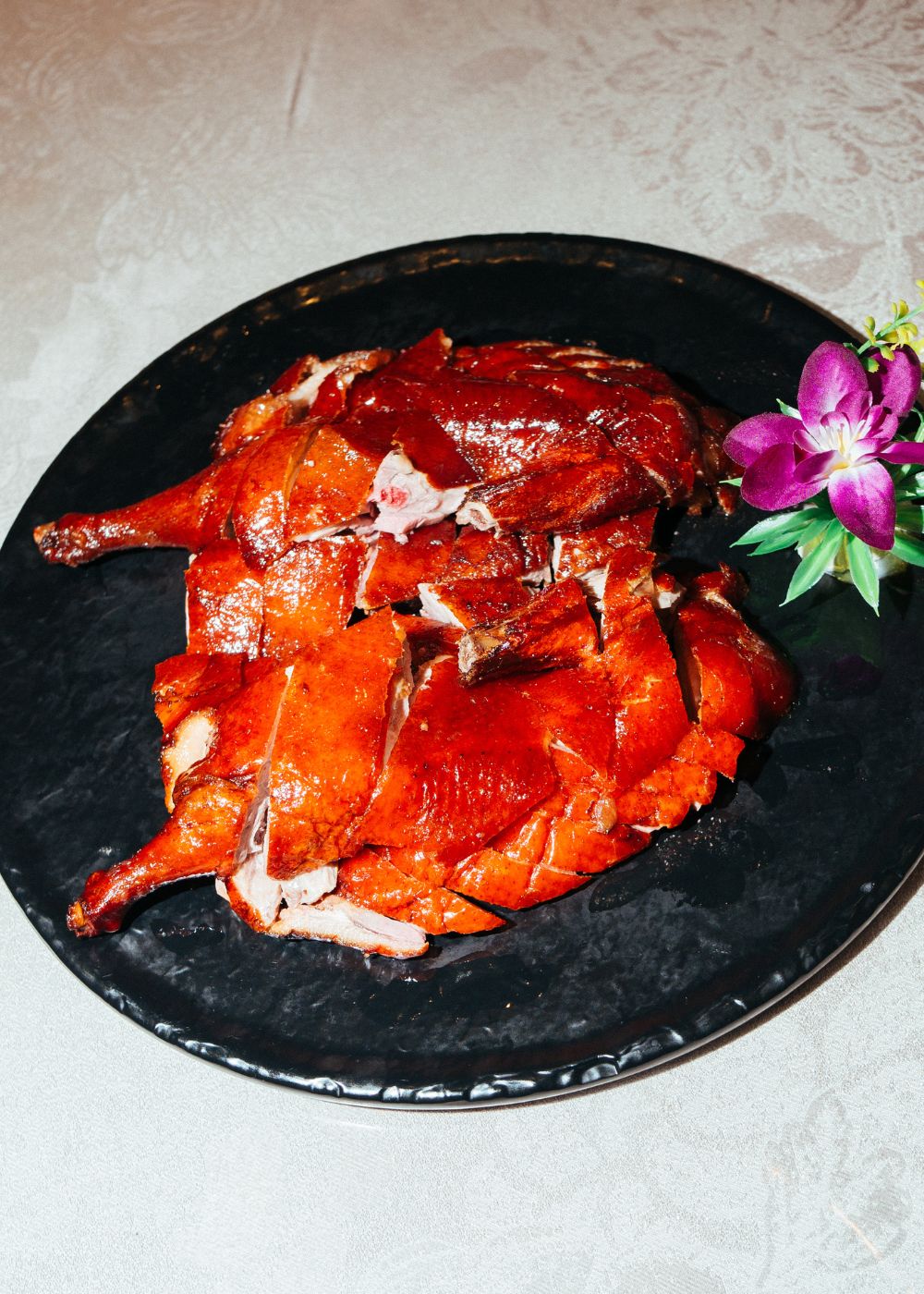
Chef Lee: Roasted Silver Hill Irish Duck, because it’s imported by air, so it’s more premium. [Laughs] But in all seriousness, these ducks are organically fed and drink natural spring water, resulting in better-quality meat with less fat compared to local ducks.
Chef Fanny Foo: I enjoy making desserts more, especially something a little different, such as our limited-time special avocado ice cream. It’s available exclusively for selected special reservation events.
4. How do you think traditional Chinese cooking techniques can be preserved while adapting to modern customers’ tastes?
Chef Sim: As the saying goes, you can’t please everyone. What matters most is allowing each ingredient to retain its natural flavour and bringing out its best qualities.
Chef Chai: We also incorporate local elements and flavours into our dishes. These give them a distinctive character while keeping them approachable and enjoyable for a wider audience.
5. During large banquets or busy periods, how does the kitchen team work together to maintain the quality of every dish?
Chef Chai: The most important thing is to assign everyone their respective roles and responsibilities, and make sure everything is properly coordinated and timed to achieve the desired result. This allows us to serve every dish on time and ensure the food reaches the table while it is still hot.
Chef Fanny Foo: Yes, teamwork and a strong team spirit. We have to work together and support one another.
6. During your time at Grand Imperial, is there an experience that has been particularly memorable to you?
Chef Chai: The MCO period was the most memorable.
Chef Lee: It was certainly a difficult time, and there were some sad moments. But one thing we appreciated was how supportive our boss was towards the staff. When we needed things to carry on with our work, the management did their best to accommodate us. That support helped keep us going and allowed us to continue building the business together.
Chef Sim: I don’t have one particular story that stands out, but what makes me happiest is how united our kitchen team is. People often say that there can be a lot of rivalry and politics in a kitchen, but we work well together and support one another. As long as everyone does their part and the dishes go out as they should, that’s what matters.
Grand Imperial Group
Branches: The Club, Bukit Utama | Suwnay Pinnacle | Bangsar Shopping Centre | Hartamas Shopping Centre | Sunway Velocity | Pavilion KL | Genting Highlands | Setia City Mall
Discover more from our In The Kitchen series here and our latest dining stories here.
Photography by Imran Sulaiman.