




Asia’s 50 Best Restaurants 2026 returned to Hong Kong last night with a list that’s more expansive than ever – stretching across 17 cities and signalling a dining scene that is growing not just in stature, but in scope, too.
This year’s list features eight new entries and four returning venues, with voting determined by the Asia’s 50 Best Restaurants Academy – an influential forum of 350-plus industry leaders including food writers and critics, chefs, restaurateurs, and regional culinary experts.
At the top, The Chairman reclaims the No.1 spot, rising from No. 2 last year after previously holding the title in 2021. This reaffirms its standing as The Best Restaurant in Hong Kong and The Best Restaurant in Asia, with a philosophy rooted in heritage Cantonese ingredients and Southern Chinese traditions.
Beyond the rankings, this year’s edition points to a broader shift towards culinary individuality, regional expression, and a more layered definition of excellence.
A wider map of Asia’s dining scene
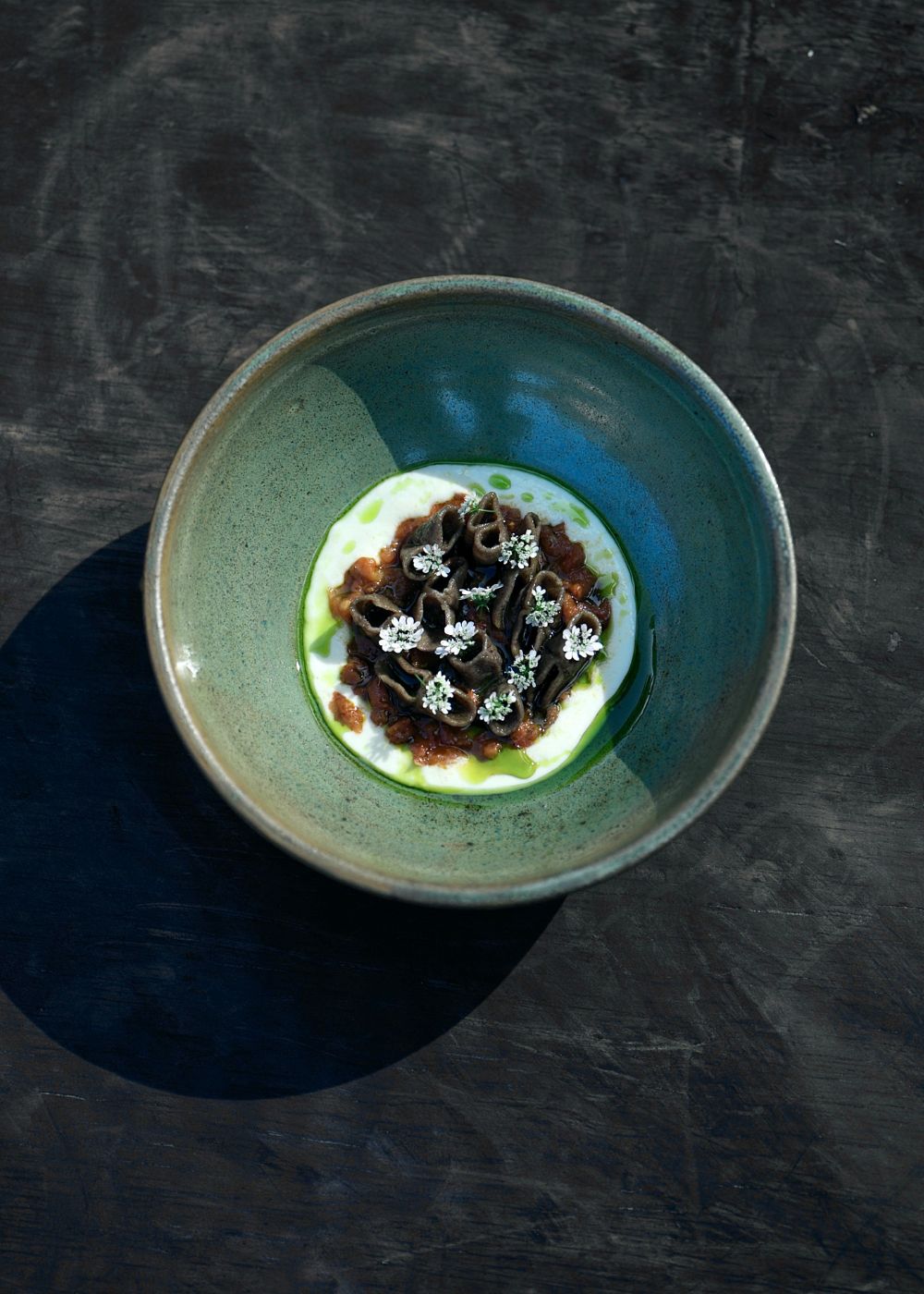
One noticeable shift is the geographical expansion in the 2026 edition. Although stalwarts like Bangkok and Tokyo continue to lead in numbers with nine and seven entries respectively, the list stretches further into new territory. Destinations such as our very own Penang make it to the top 50 for the first time, alongside Kasauli, India and Ubud, Indonesia.
This goes to show that fine dining in Asia is no longer centred solely around its biggest cities. There’s increasing room for restaurants shaped by local landscapes, smaller communities, and distinct cultural contexts.
A milestone for Penang and Malaysia
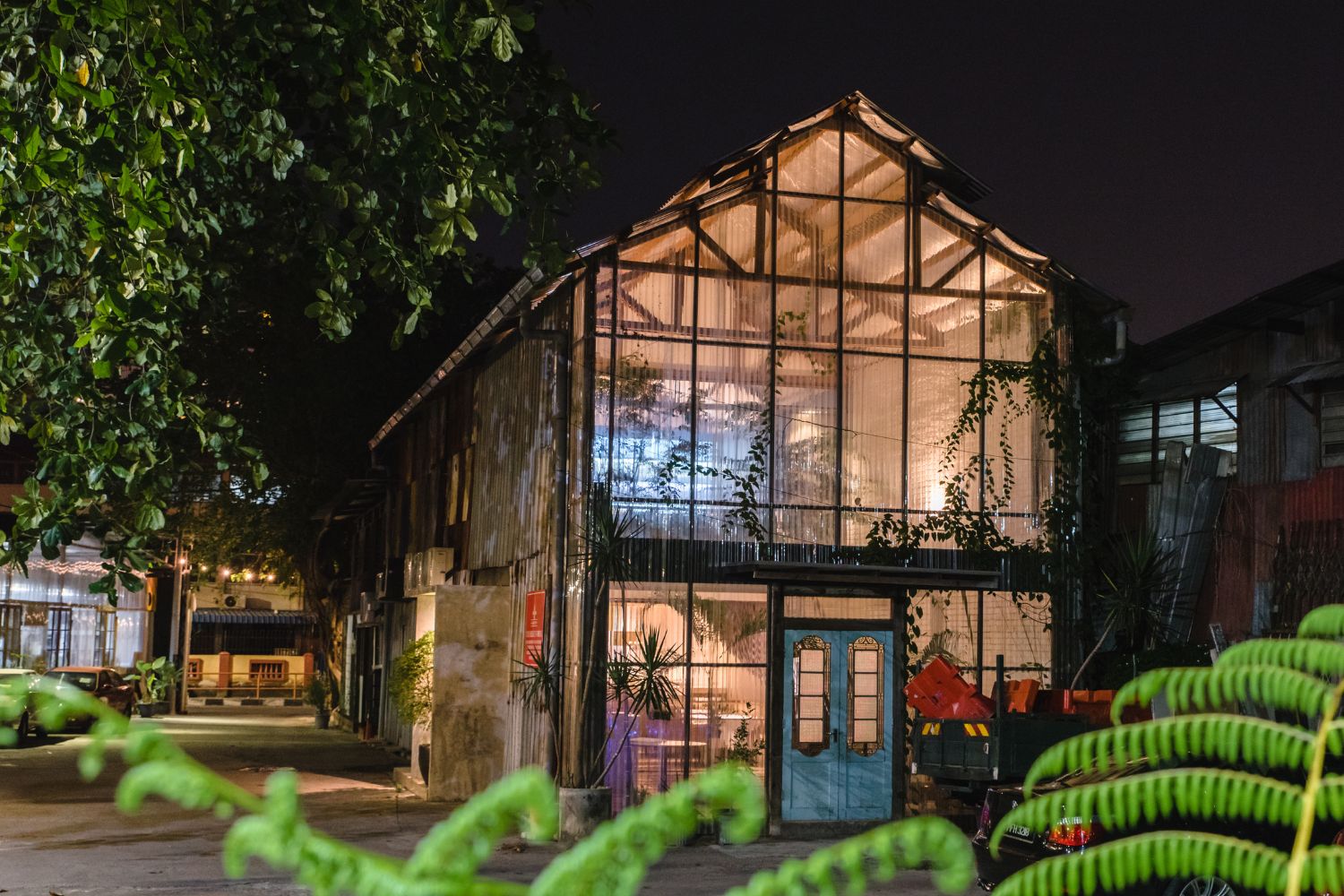
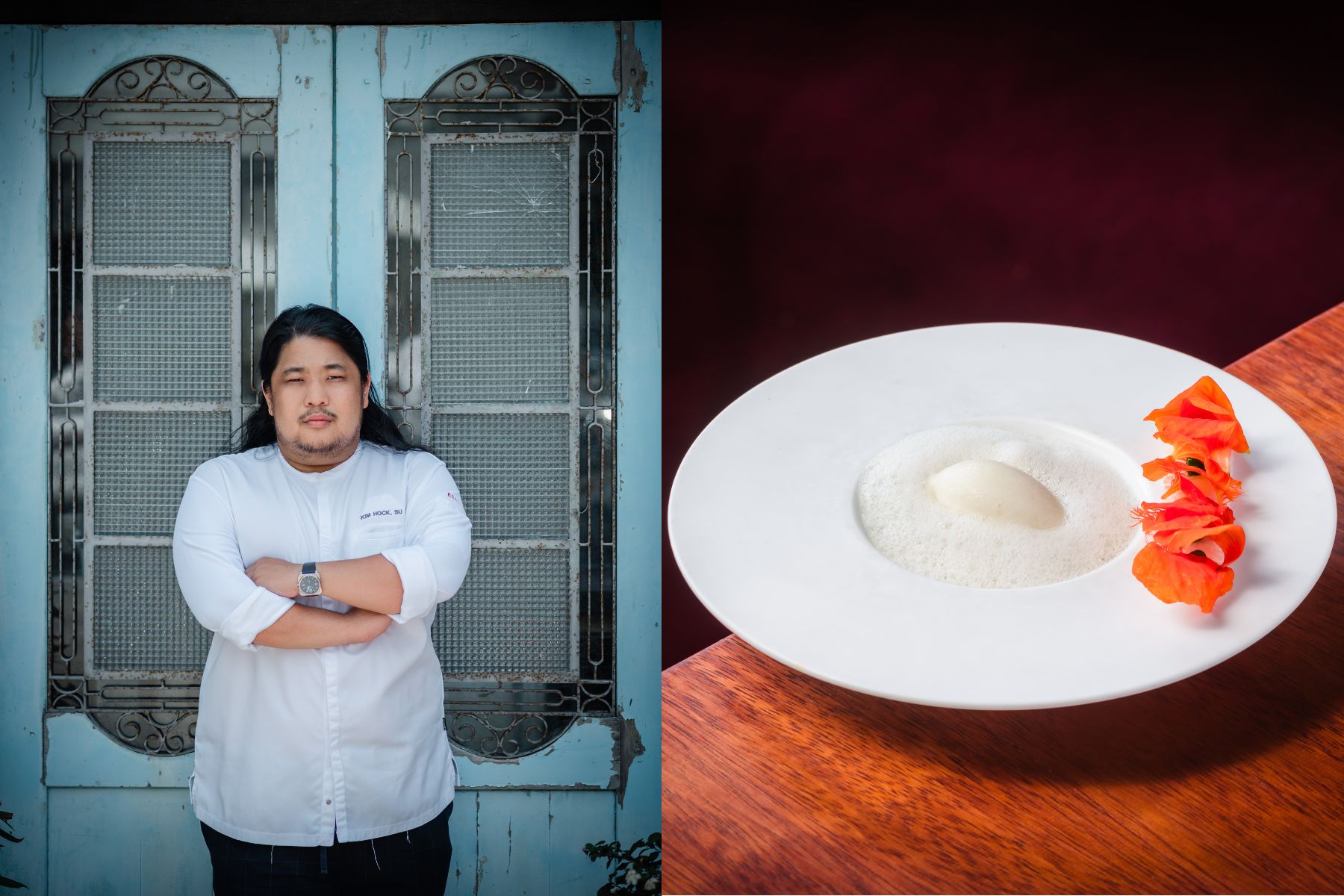
That evolution lands particularly close to home – with Au Jardin debuting at No.39, marking Penang’s first appearance on the list. Helmed by chef-proprietor Su Kim Hock, the fine dining restaurant is known for its French-leaning ‘la cuisine naturelle’, anchored in local produce.
Its inclusion signals a broader recognition of Penang’s fine dining potential – one that exists alongside, rather than in competition with, the state’s renowned street food culture. Gen, another Penang dining establishment, also re-entered the extended 51-100 list at No. 89, affirming its promising gastronomical landscape.
Meanwhile, Dewakan remains the only fine dining venue in Kuala Lumpur to make the cut, claiming the No. 62 spot.
Momentum over familiarity
This year’s list also represents a shift in how restaurants move within the rankings – not merely who stays, but more importantly, who rises.
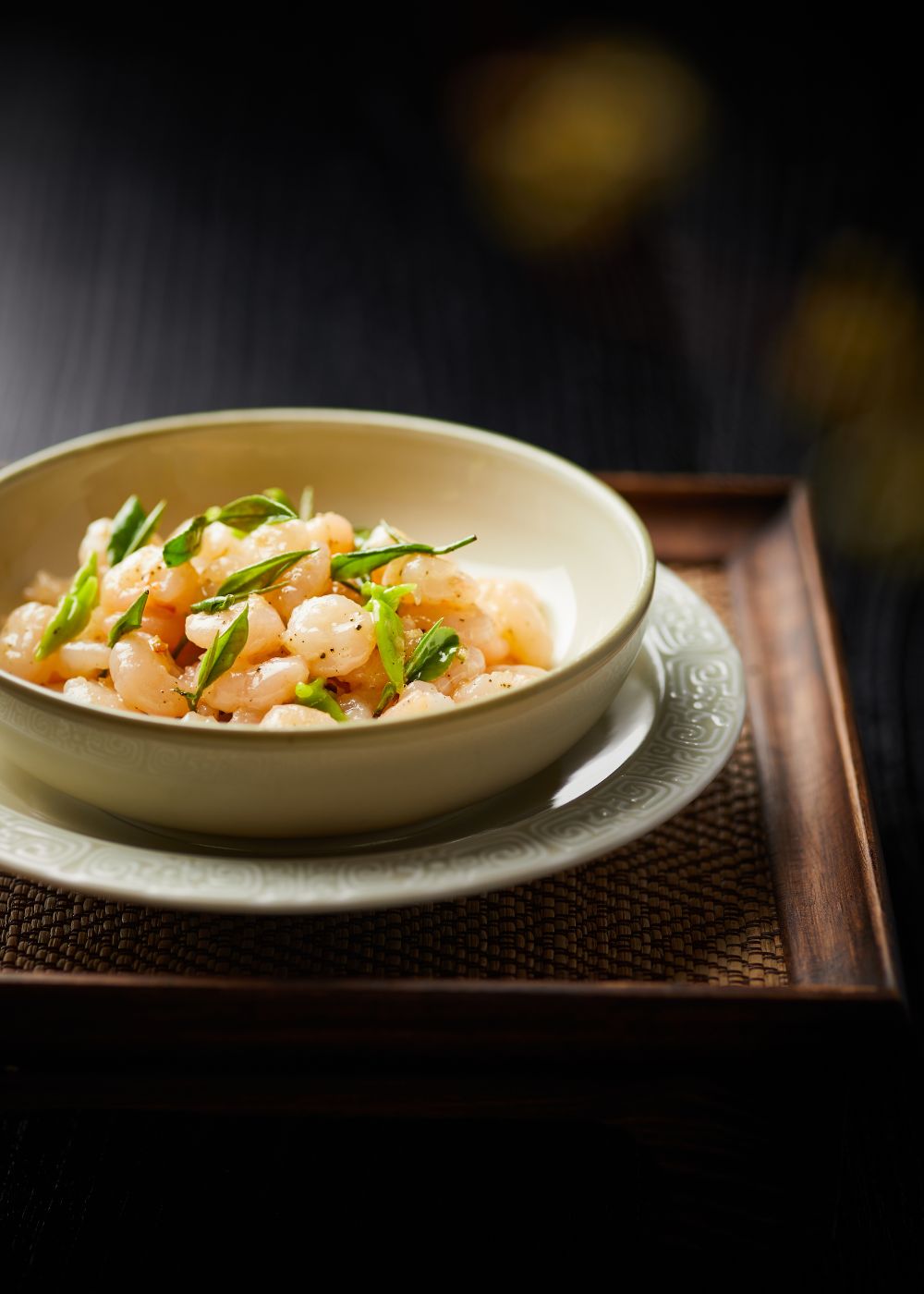
Hangzhou’s Ru Yuan makes a strong debut at No. 10, earning the Highest New Entry Award with its revival of traditional Hangzhou cuisine. In Beijing, Lamdre climbs 33 places to No. 17, marking one of the most significant jumps in the top 50 with its plant-based, season-driven approach.
These movements point to a growing appetite for restaurants that are not only distinct in identity, but also evolving in real time by refining their concepts, deepening their narratives, and gaining momentum beyond a single breakout year.
The same can be seen in cities like Shanghai and Seoul, where a mix of returning names and upward climbers suggests a dining scene that is actively reshaping itself, rather than remaining fixed around established heavyweights. Even within Southeast Asia, newer entrants such as Bali’s Locavore NXT (No.44) signal how quickly emerging destinations can gain traction when backed by a strong point of view.
Recognising the wider F&B ecosystem
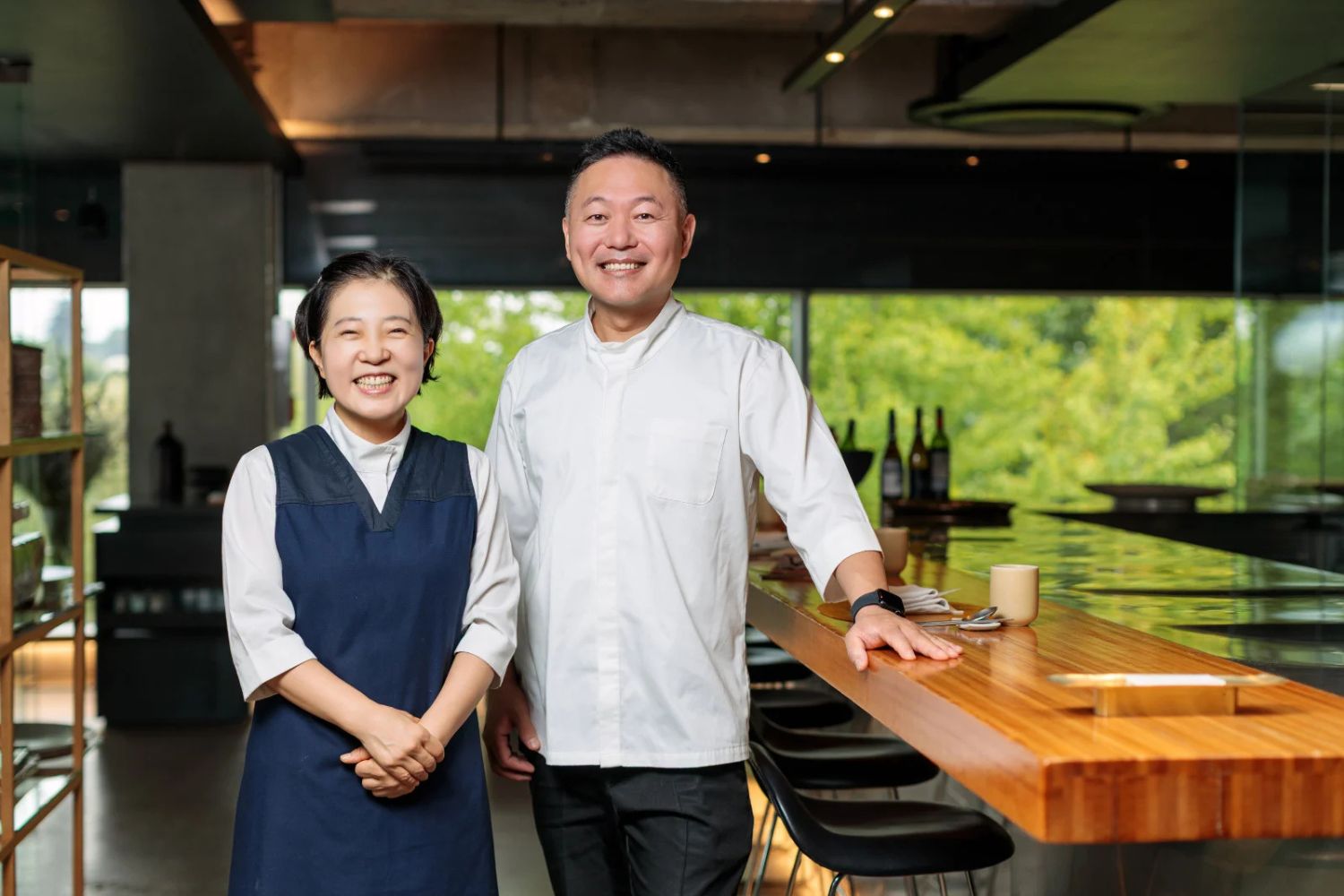
Besides the top 50, the list’s special awards extend the spotlight beyond chefs alone, recognising the many roles that shape a restaurant experience. In Seoul, Cho Eun-hee of Onjium is named Asia’s Best Female Chef, recognised for her work in preserving and elevating Korean culinary heritage. In Jakarta, Ardika Dwitama of August takes the title of Asia’s Best Pastry Chef, highlighting the growing importance of specialised craft within the dining experience.
Recognition also extends beyond the kitchen pass. Lesley Liu of Odette is awarded Asia’s Best Sommelier, underscoring the role of beverage curation in shaping a restaurant’s identity. Meanwhile, Zhang Yong receives the Icon Award for his influence as founder of Xin Rong Ji, reflecting the impact of restaurateurs in building enduring culinary institutions.
Peer recognition remains a key marker, with Thitid Tassanakajohn of Nusara and Le Du earning the Chefs’ Choice Award. Sustainability also continues to take centre stage, with Baan Tepa receiving the Sustainable Restaurant Award, while Hong Kong-based sustainability advocate Peggy Chan is honoured with the Champions of Change Award.
The full list of Asia’s 50 Best Restaurants 2026
(Note: * indicates new entry)
1. The Chairman, Hong Kong (The Best Restaurant in Asia)
2. Wing, Hong Kong
3. Gaggan, Bangkok (The Best Restaurant in Thailand)
4. Mingles, Seoul (The Best Restaurant in South Korea)
5. Nusara, Bangkok
6. Meet the Bund, Shanghai (The Best Restaurant in Mainland China)
7. Chef Tam’s Seasons, Macau (The Best Restaurant in Macau)
8. Gaggan at Louis Vuitton, Bangkok
9. Ling Long, Shanghai
10. Ru Yuan*, Hangzhou (Highest New Entry)
11. Fu He Hui, Shanghai
12. Sorn, Bangkok
13. La Cime, Osaka (The Best Restaurant in Japan)
14. Onjium, Seoul
15. Masque, Mumbai (The Best Restaurant in India)
16. Sézanne, Tokyo
17. Lamdre, Beijing (Highest Climber)
18. Sühring, Bangkok
19. Odette, Singapore (The Best Restaurant in Singapore)
20. Seroja, Singapore
21. Sazenka, Tokyo
22. Logy, Taipei
23. Born, Singapore
24. Neighborhood, Hong Kong
25. Potong, Bangkok
26. Eatanic Garden, Seoul
27. Ms. Maria & Mr. Singh, Bangkok
28. Maz, Tokyo
29. 102 House, Shanghai
30. Naar*, Kasauli, India
31. Florilège, Tokyo
32. Estro, Hong Kong
33. Myoujyaku, Tokyo
34. Crony, Tokyo
35. Caprice, Hong Kong
36. Le Du, Bangkok
37. Narisawa, Tokyo
38. Les Amis, Singapore
39. Au Jardin*, Penang (The Best Restaurant in Malaysia)
40. Labyrinth, Singapore
41. Mosu, Seoul
42. August, Jakarta (The Best Restaurant in Indonesia)
43. Bium*, Seoul
44. Locavore NXT*, Ubud, Indonesia
45. Nae:Um, Singapore
46. Mono, Hong Kong
47. Wana Yook*, Bangkok
48. La Bourriche 133*, Shanghai
49. 7th Door, Seoul
50. JL Studio, Taichung, Taiwan
The extended 51–100 list
51. Den, Tokyo
52. Chef 1996*, Beijing
53. Baan Tepa, Bangkok
54. San*, Seoul (One To Watch Award)
55. Solbam, Seoul
56. Born and Bred, Seoul
57. Alla Prima, Seoul
58. Thevar, Singapore
59. Burnt Ends, Singapore
60. Goh, Fukuoka
61. Mume, Taipei
62. Dewakan, Kuala Lumpur
63. Sushi Shunji*, Tokyo
64. Silks House*, Taipei
65. Fumée*, Shenzhen
66. Papa’s*, Mumbai
67. Samrub Samrub Thai, Bangkok
68. Ta Vie, Hong Kong
69. Co-*, Chengdu
70. VEA, Hong Kong
71. Toyo Eatery, Manila
72. Sushi Saito, Tokyo
73. The Table, Mumbai
74. Soigné, Seoul
75. Inja, New Delhi
76. Cenci, Kyoto
77. Meta, Singapore
78. Peach Blossoms, Singapore (re‑entry)
79. Ensue, Shenzhen
80. Jade Dragon, Macau (re‑entry)
81. Villa Aida, Wakayama (re‑entry)
82. Kataori*, Kanazawa
83. Farmlore, Bengaluru
84. Xin Rong Ji (Xinyuan South Road), Beijing
85. Jin Sha, Hangzhou (re‑entry)
86. Anan Saigon, Ho Chi Minh City (re‑entry)
87. Jungsik, Seoul
88. Ando, Hong Kong
89. Gēn, Penang (re‑entry)
90. Amber, Hong Kong (re‑entry)
91. Côte by Mauro Colagreco, Bangkok
92. Respiración*, Kanazawa
93. Dewaya*, Nishikawa
94. Ministry of Crab, Colombo
95. Gaa, Bangkok
96. Haoma, Bangkok (re‑entry)
97. L’évo, Nanto (re‑entry)
98. Kwonsooksoo, Seoul
99. Fiotto*, Busan
100. Celera*, Makati City
For more information, visit The World’s 50 Best Restaurants’ website and follow updates on Instagram, Facebook, and X at @TheWorlds50Best.
Read more dining news here.