




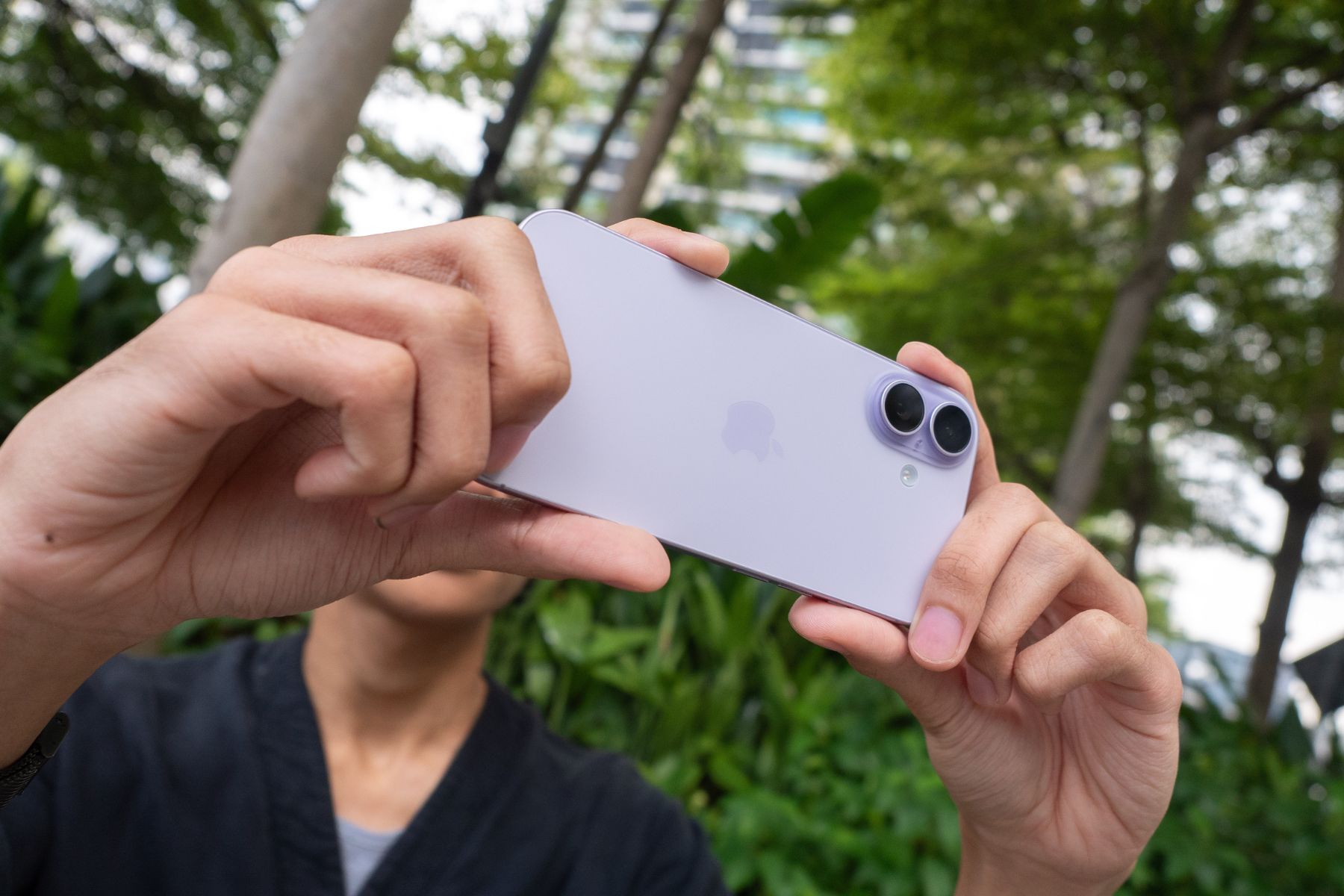




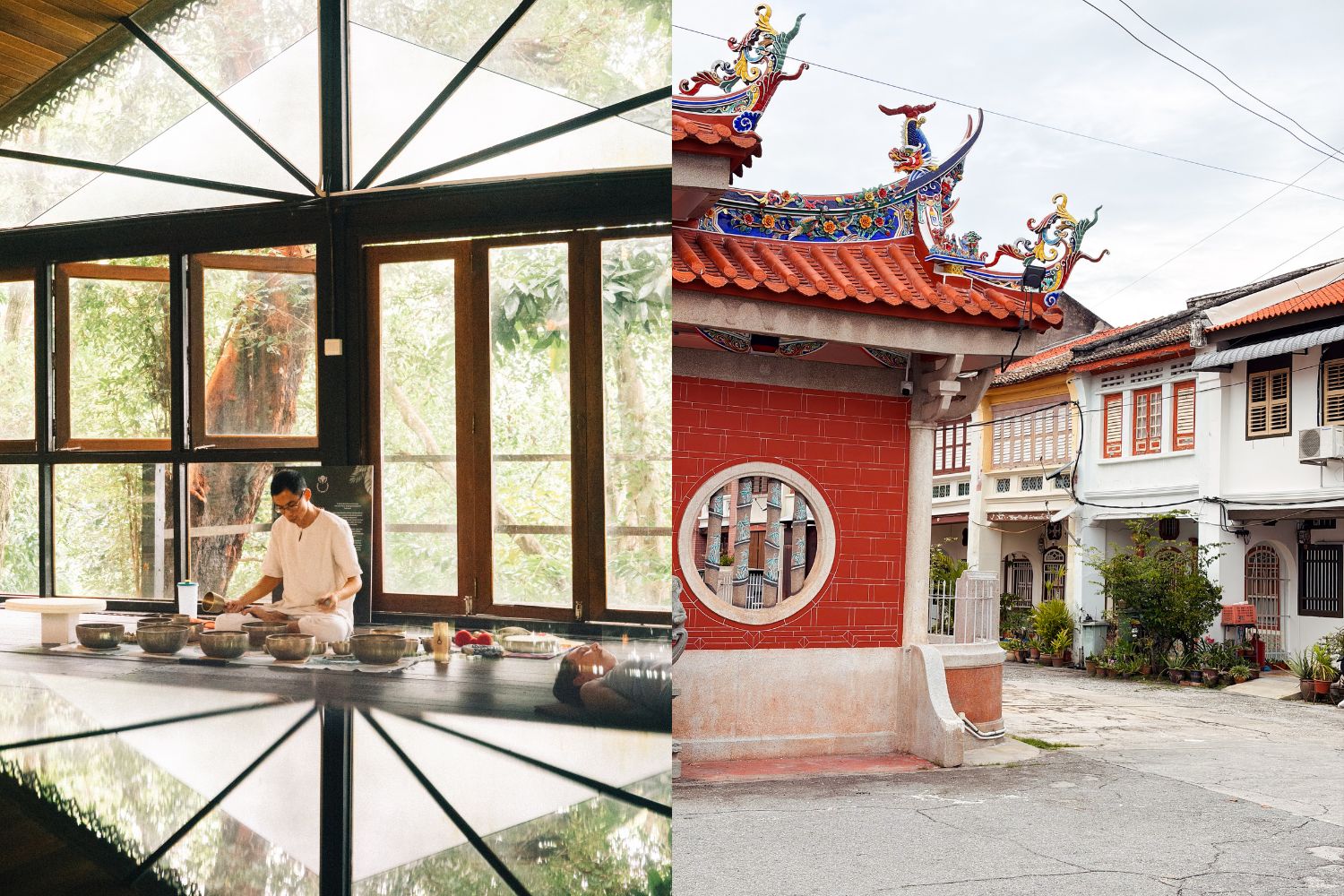
I took a short weekend trip to Penang, carrying the iPhone 17 as a pocket companion to my Olympus OM-D EM5 ii and Sony A7Riii. The trip moved between two very different environments. One day was spent walking from Lebuh Chulia to Fort Cornwallis, moving through shifting street-lights and fast scenes. The next day was completely different. I stayed overnight at Tropical Spice Garden in Teluk Bahang, surrounded by dense greenery and quiet forest trails. I spent a long time photographing plants, textures and soft filtered light. Moving between these two worlds made it clear where the iPhone 17 excels.
A dependable second body beside the OM-D EM5ii and Sony A7Riii
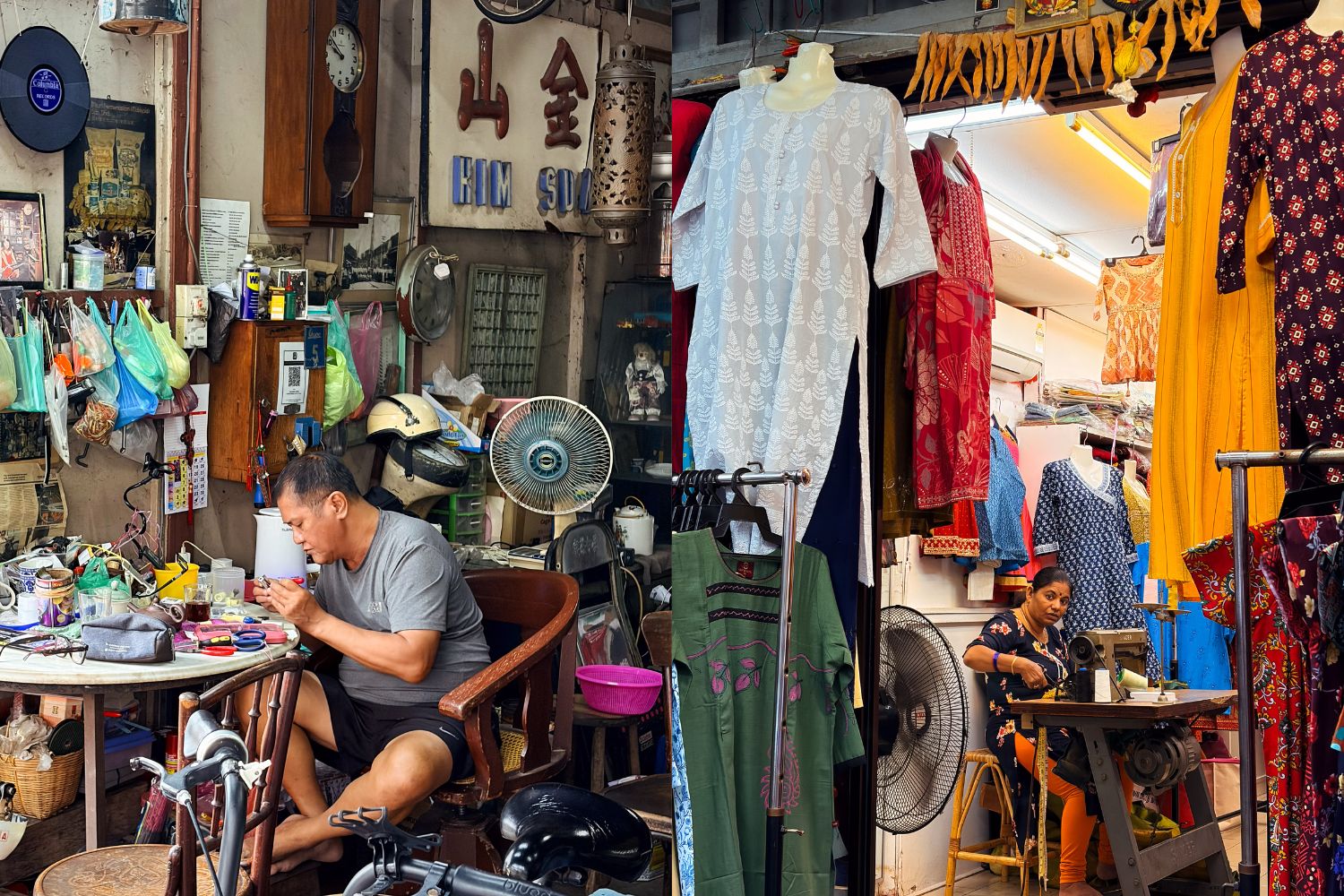
What surprised me most was how reliably the iPhone 17 worked as a second body beside my usual cameras. It never felt like a backup that I used only when necessary. It naturally fills the spaces where a phone performs better. It reacts faster, it’s more discreet, and it feels right for moments when taking out a larger camera would interrupt the flow. When travelling, the small in-between scenes are often the ones we miss, but the iPhone captures all of them with ease.
48-megapixel resolution that gives real flexibility
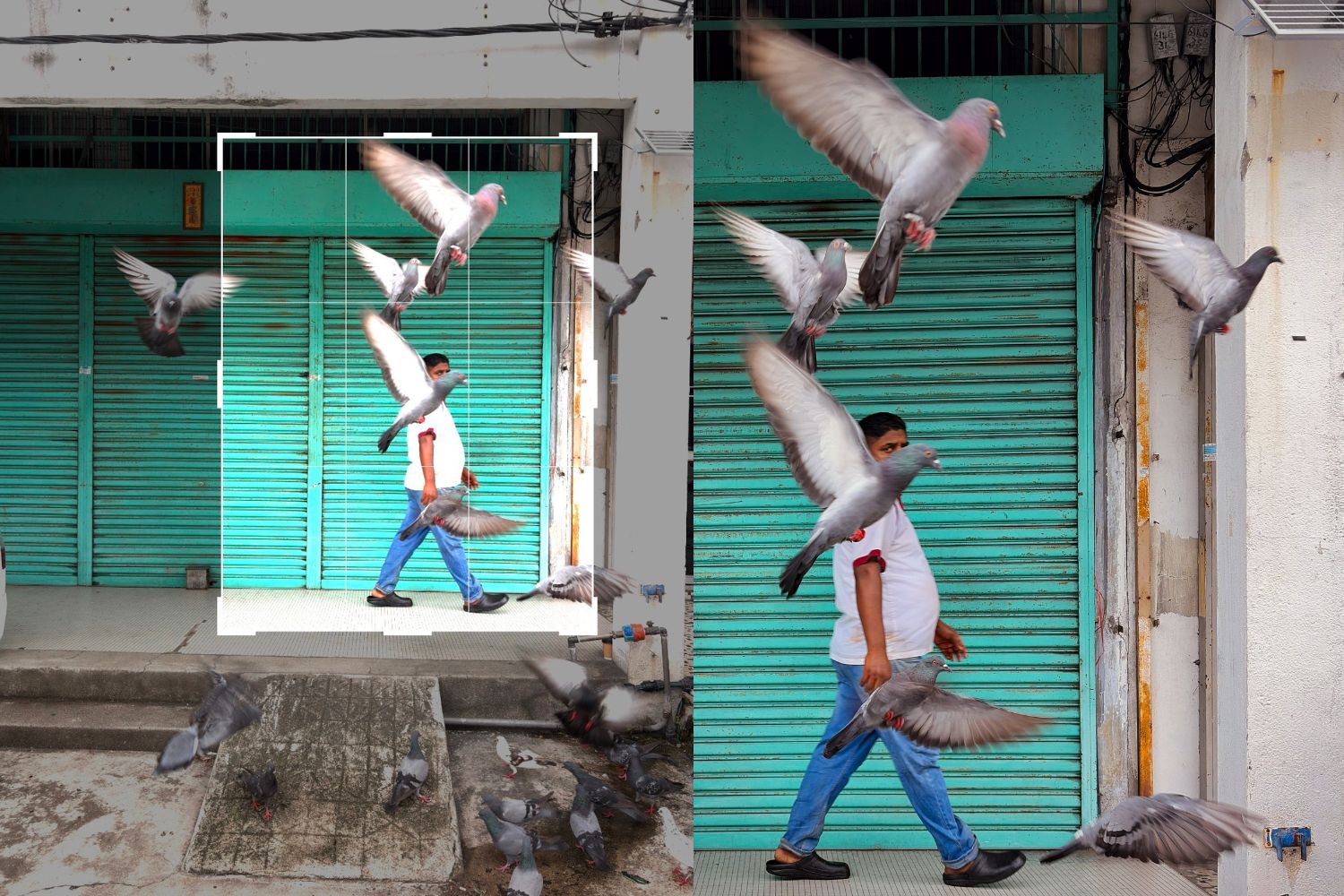
The 48-megapixel sensor genuinely changes how you shoot. It allows you to crop with confidence and still retain strong detail. On Chulia Street, I found myself shooting slightly wider frames, knowing I could refine the composition later without losing clarity. For travel photography, especially in tight or fast-moving environments, this flexibility is extremely useful.
Camera Control Button – useful, imperfect, but genuinely helpful
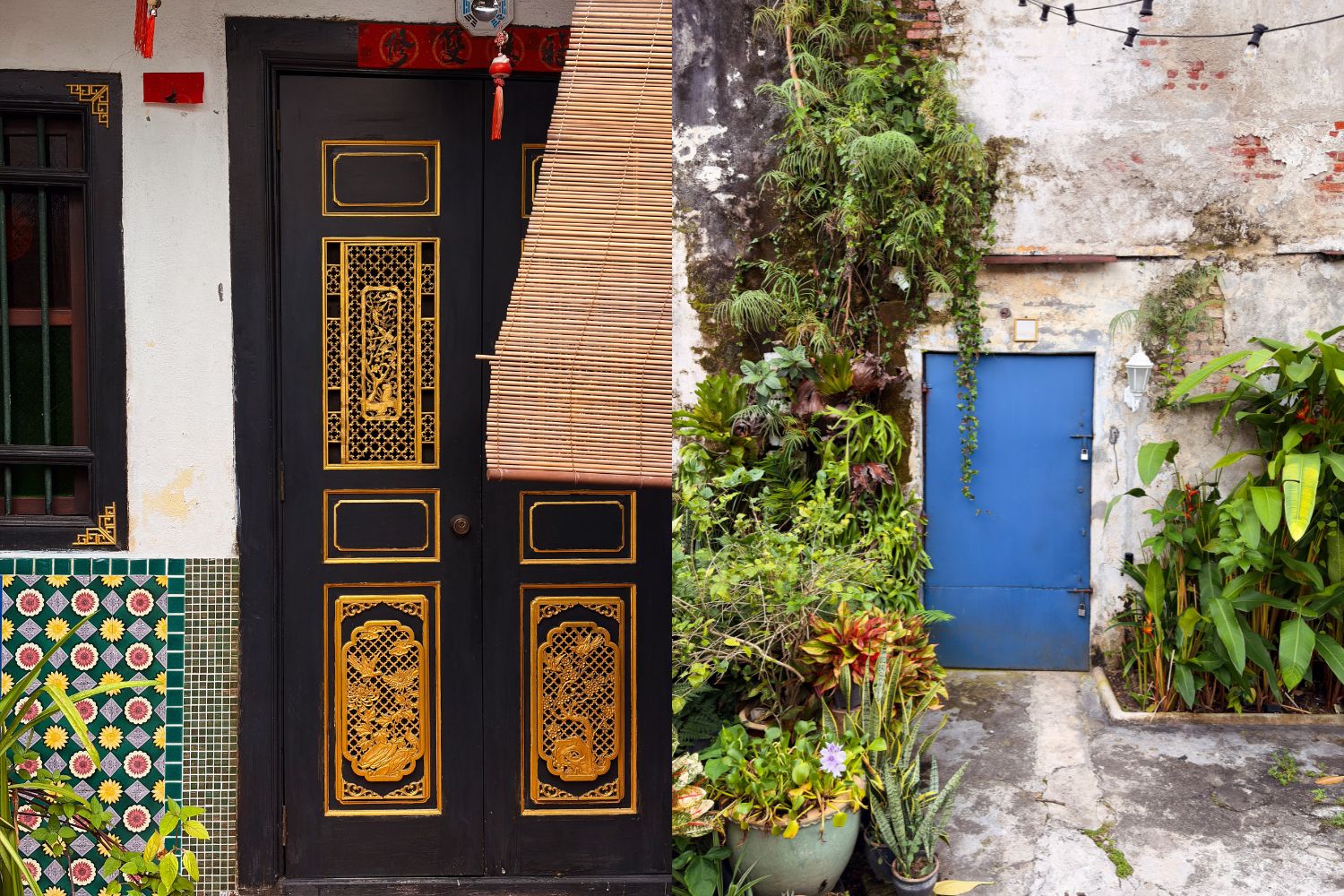
The new Camera Control Button is one of the most practical additions to the iPhone 17. Launching the camera feels more intentional. I set the sensitivity to a firmer level so that the button would not trigger accidentally. Being able to adjust the zoom or change settings directly through the button made shooting faster, especially along Beach Street, where scenes develop quickly.
However, the placement of the button still feels slightly awkward. In vertical shooting mode, the reach is not entirely natural. If the button were positioned closer to the lock screen button, it would feel more ergonomic. Even so, once you adapt to its location, the shooting flow becomes smooth and efficient.
Creative colour control with iPhone 17 Styles
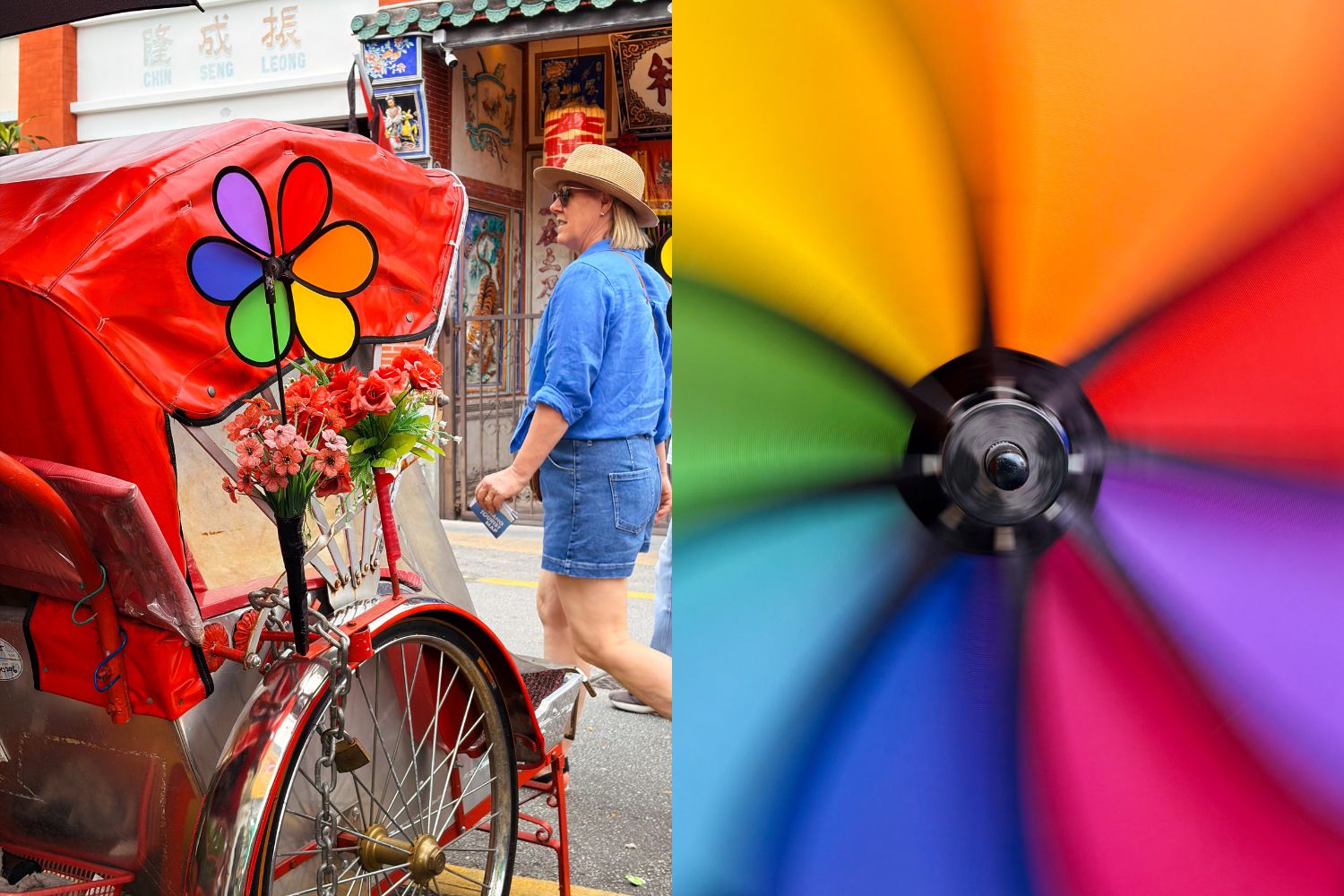
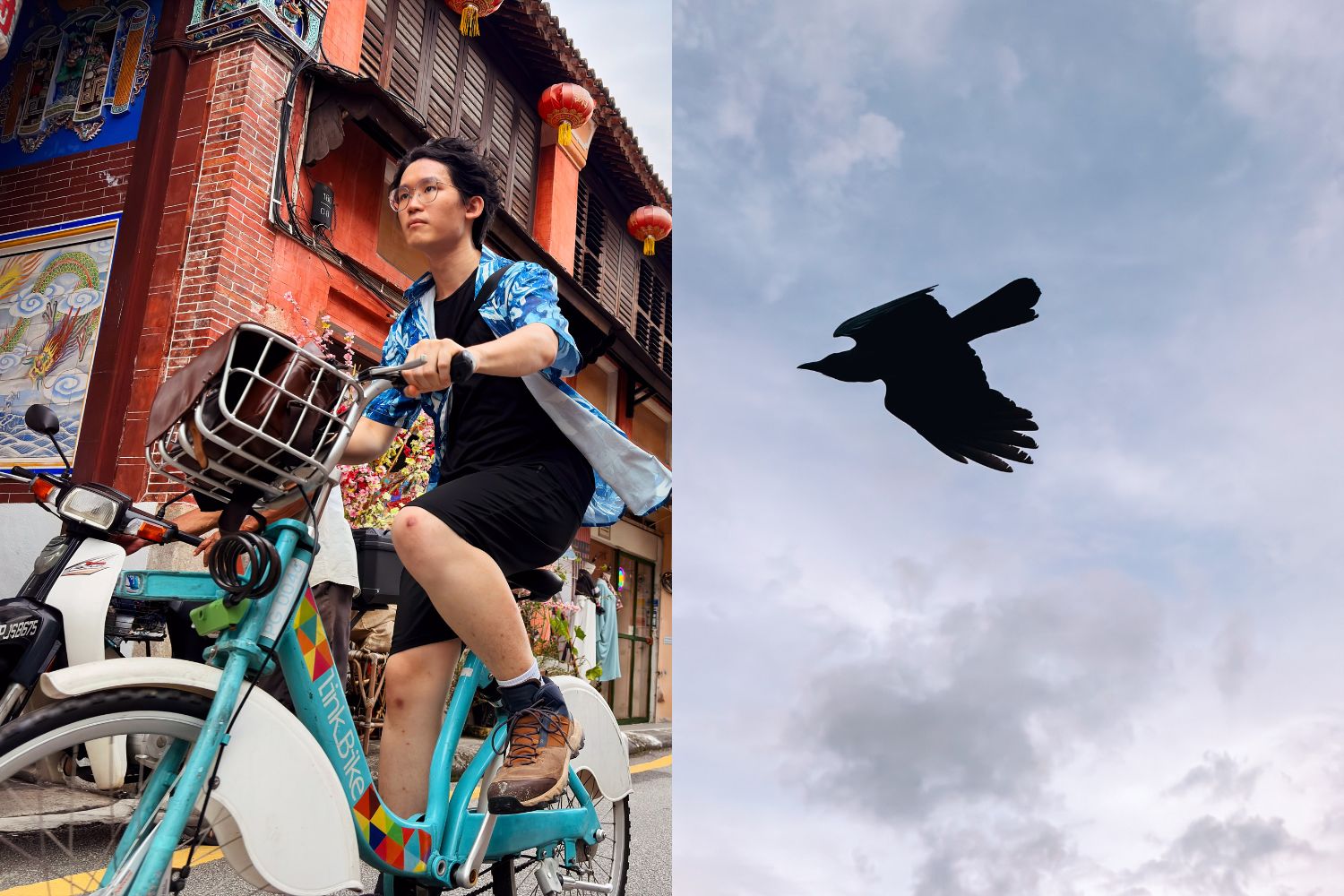
Another feature that stood out during the trip was the Styles option in the iPhone 17. It allows you to shape the colour profile before you even take the shot, which feels closer to how photographers think when choosing film stocks or custom picture profiles. While walking through Georgetown, I found myself leaning toward the upper right area of the Standard Style grid, which gave the scenes a balanced look that still held the warmth of the shophouses.
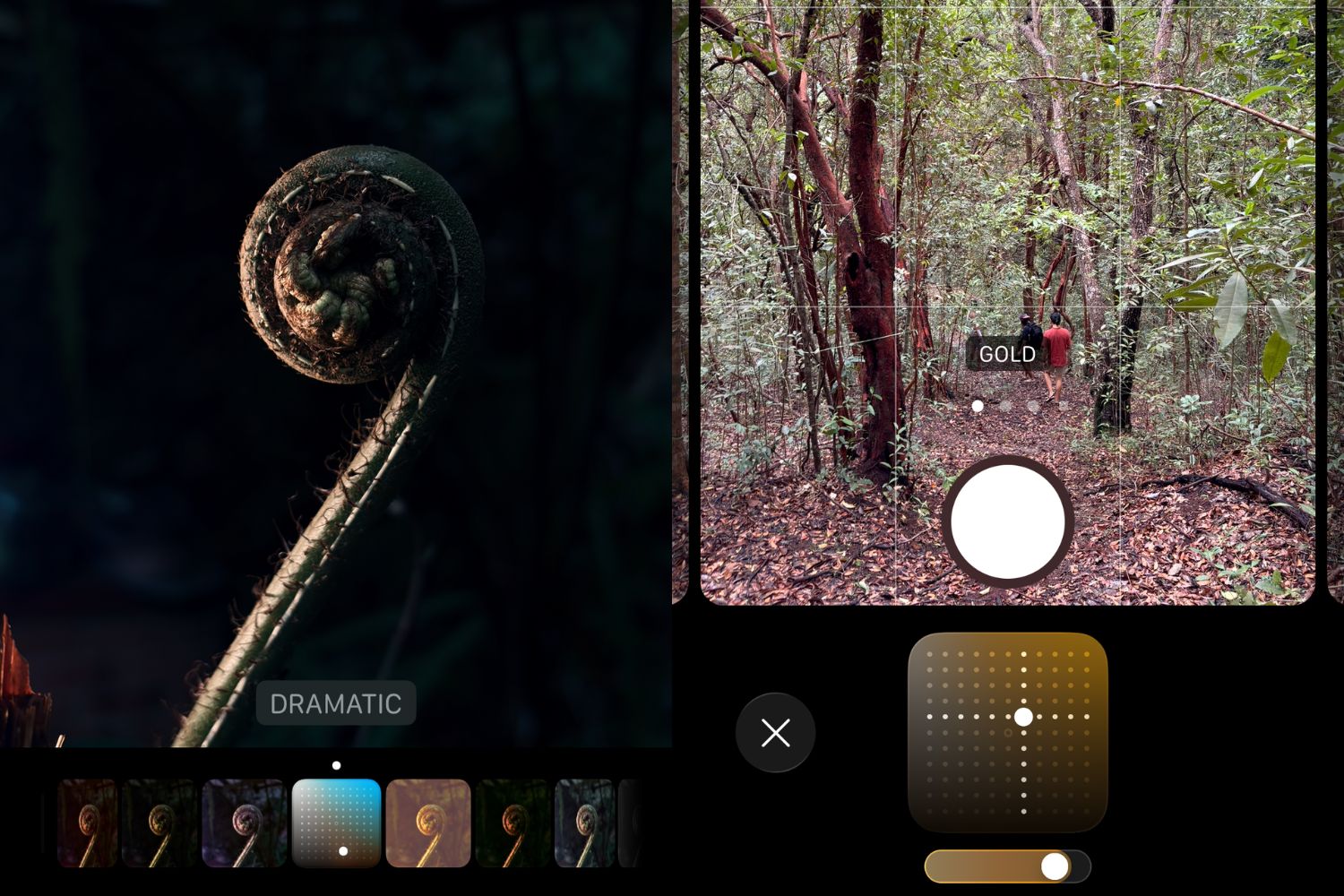
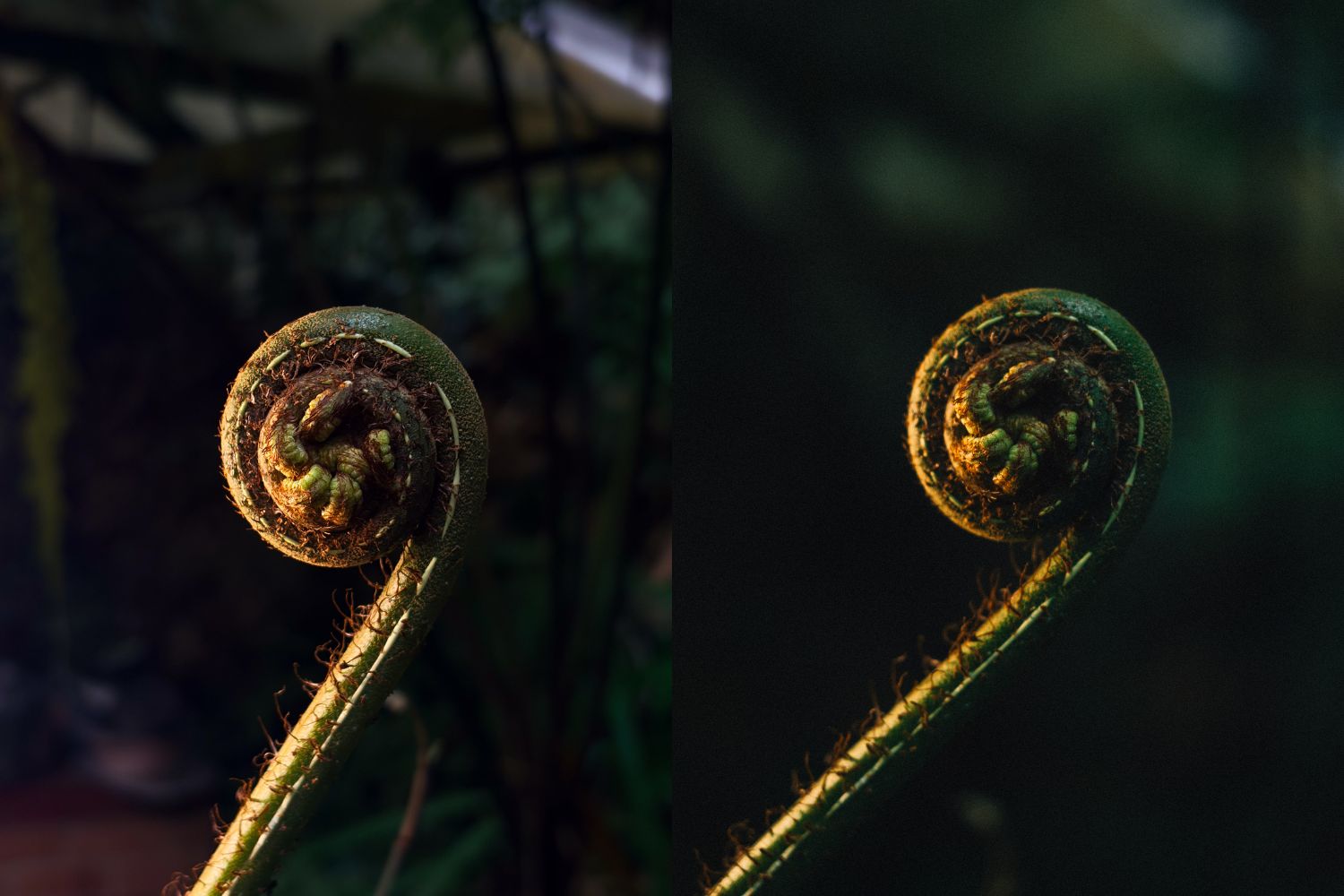
In Tropical Spice Garden, the Bright Style created a pleasant film-like quality with stronger contrast and a slight purple tint in the highlights, which worked beautifully with the layered greens and soft forest light. It became a creative tool rather than an afterthought, and it added a surprising amount of control to the way I interpreted each location.
Faster processing that removes friction
There is far less delay between seeing a moment and capturing it.
- The camera launches almost instantly
- The shutter responds with less lag
- Processing time between shots is noticeably shorter
This reduces the number of missed moments. It matters most when photographing moving subjects or when the light changes quickly. In travel environments, these small performance jumps can make a big difference.
Battery life that removes worry
Battery life on the iPhone 17 is excellent. On long shooting days, battery anxiety can easily break concentration. I never experienced that during this trip. Even with heavy use of the camera, maps, and occasional video recording, the battery lasted through full days of shooting. This one improvement makes the iPhone a much more capable travel camera.
Low light performance that stays natural and controlled
Low light photography on the iPhone 17 feels more honest than in previous models. Noise is present but natural.
- Detail is preserved
- Colours remain stable
- Night scenes retain atmosphere
- Mixed lighting is handled with more accuracy
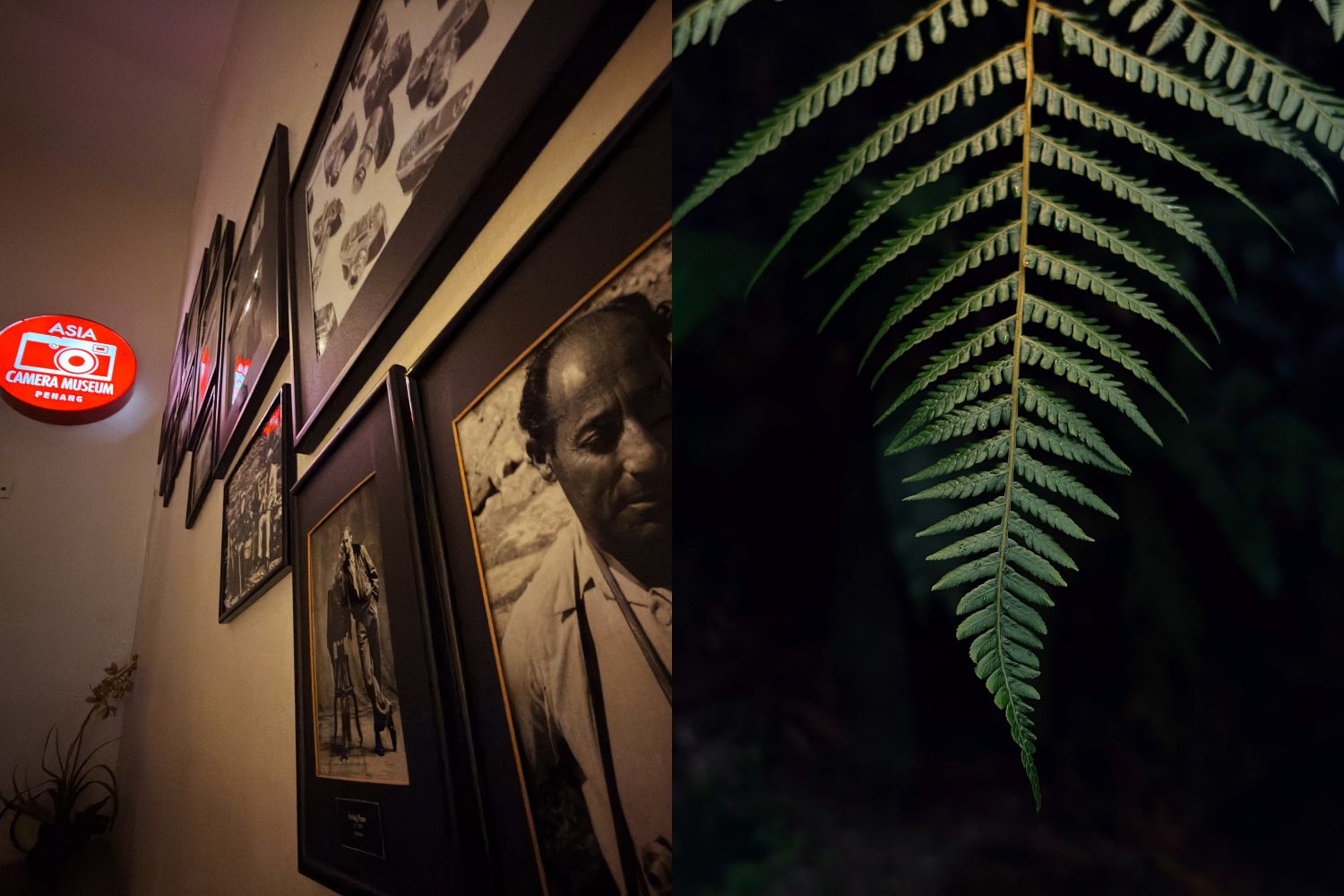
In night markets, dim interiors, and shaded forest paths, the phone produced images that looked less processed and more realistic. It felt reliable for environments where light is limited but the scene is worth capturing.
How the iPhone changes the way you shoot
The most meaningful differences are behavioural rather than technical.
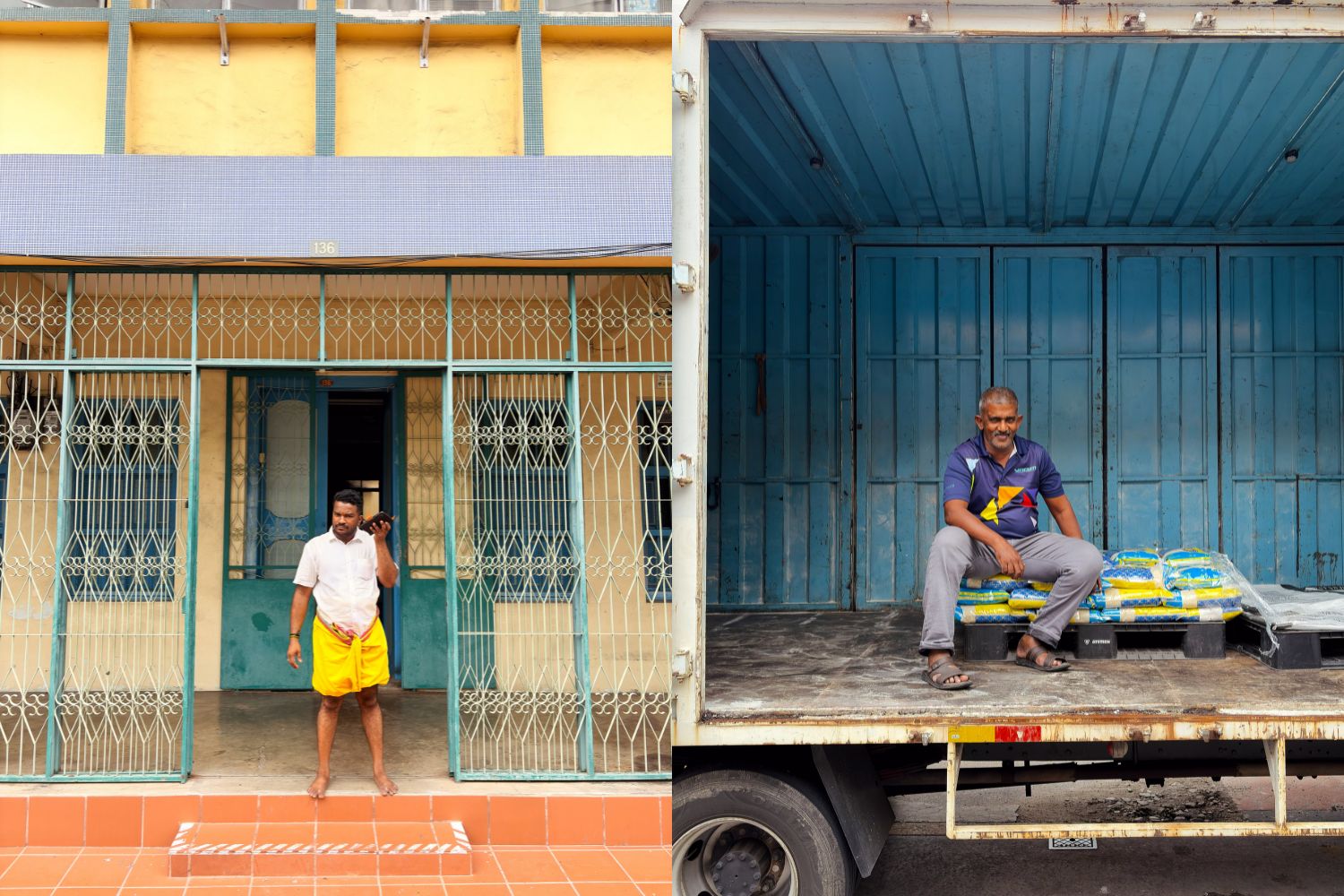
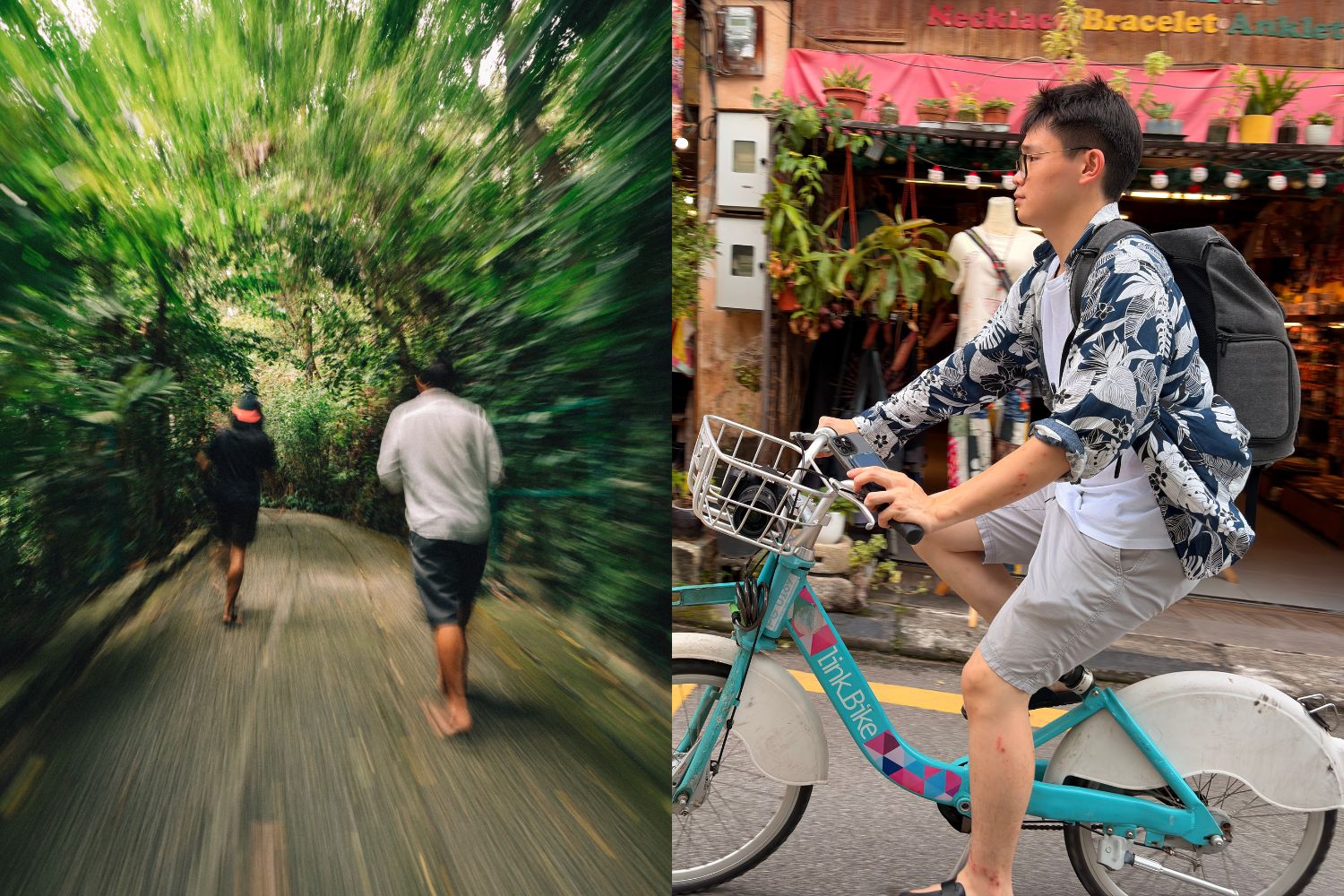
Shooting with a phone makes you almost invisible. People do not react to a phone the way they react to a large camera. Along the walk from Chulia to Cornwallis, I was able to capture natural gestures, quick movements, and layered compositions without drawing attention. At Tropical Spice Garden, the phone helped me respond instantly to small details in the forest – a drop of water on a leaf, a shift in light, subtle patterns on bark and stone. The phone encourages instinctive photography. You move lighter, react faster, and focus more on the moment and less on the mechanics.
Where the DSLR and mirrorless cameras still lead
Even with all of these improvements, the OM D EM5 ii and the Sony A7Riii still maintain clear advantages in three important areas:
- Optical depth and lens character
No computational system can mimic the rendering of actual glass.
Whether it is the micro contrast from the OM D system or the full frame richness from the A7Riii, the depth and tonal transition feel completely different. Real optics still shape the image in a way that a phone cannot fully reproduce.
- Dynamic range and highlight recovery
Penang is filled with bright walls, reflective shopfronts, and strong tropical sun. This is where the difference becomes obvious.
The professional camera handles highlight recovery with a level of grace that the phone cannot match. Colours also remain consistent under harsh light. The iPhone performs well, but the dynamic range of a dedicated sensor is still superior.
- Manual control and reliable consistency
Dedicated cameras give you full control of the image. Exposure, focus behaviour, colour profiles, and all other decisions are made by the photographer. With the iPhone, you rely on the algorithm to interpret the scene. The results are usually excellent, but it is still interpretation rather than pure control. When precision is necessary, the OM D and the A7Riii remain the stronger tools.
The value equation makes the iPhone 17 stand out
The iPhone 17 also sits at a very attractive price point for the performance it delivers. The base model comes in at a figure that is far lower than what most photographers would spend on a new lens, yet it offers a 48-megapixel sensor, fast processing, reliable low-light performance, and excellent battery life in one compact body. When you consider that a single piece of camera gear rarely covers this much capability on its own, the value becomes even clearer. For travel especially, the amount of performance packed into this price bracket makes the iPhone 17 one of the most cost-effective creative tools you can carry.
Final thoughts: Two tools, two ways of seeing
By the end of the weekend, the comparison became less about which device is better and more about how each one shapes the way you photograph.
Professional cameras offer deliberate control and optical quality. The iPhone offers speed, invisibility, and instinct.
Used together, they cover the full spectrum of travel photography – the intentional frames and the spontaneous ones; the structured compositions and the fleeting discoveries. The iPhone 17 will not replace a dedicated camera any time soon, but it has become a genuinely capable second body. It adds to the way you see rather than limiting it.
Read more gadget articles here.