










In recent years, conversations around mental wellbeing have begun to shift from crisis response to conscious self-improvement. Mental health is no longer just about getting through difficult moments; it’s increasingly seen as an essential part of living well, building resilience, and functioning at one’s best.
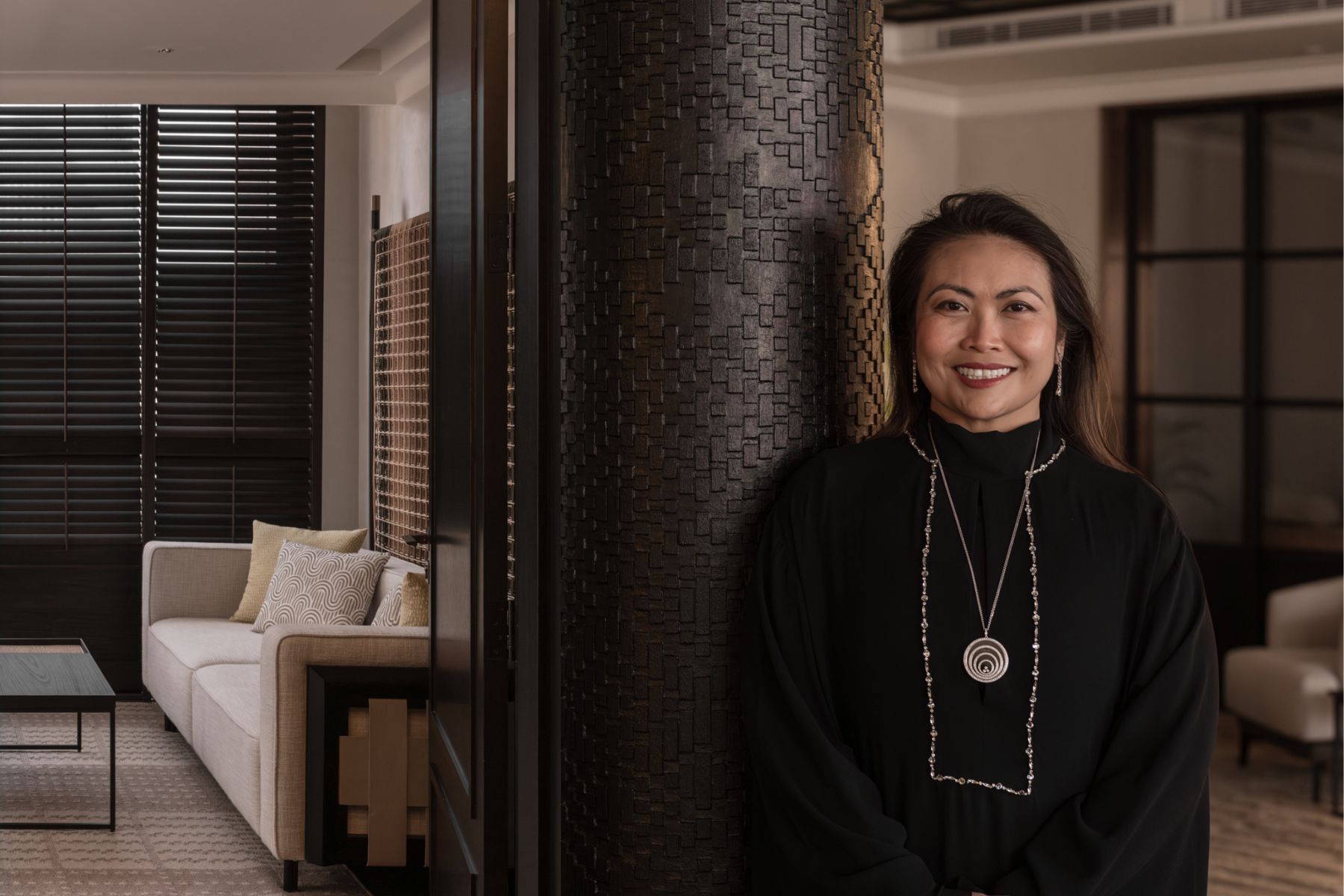
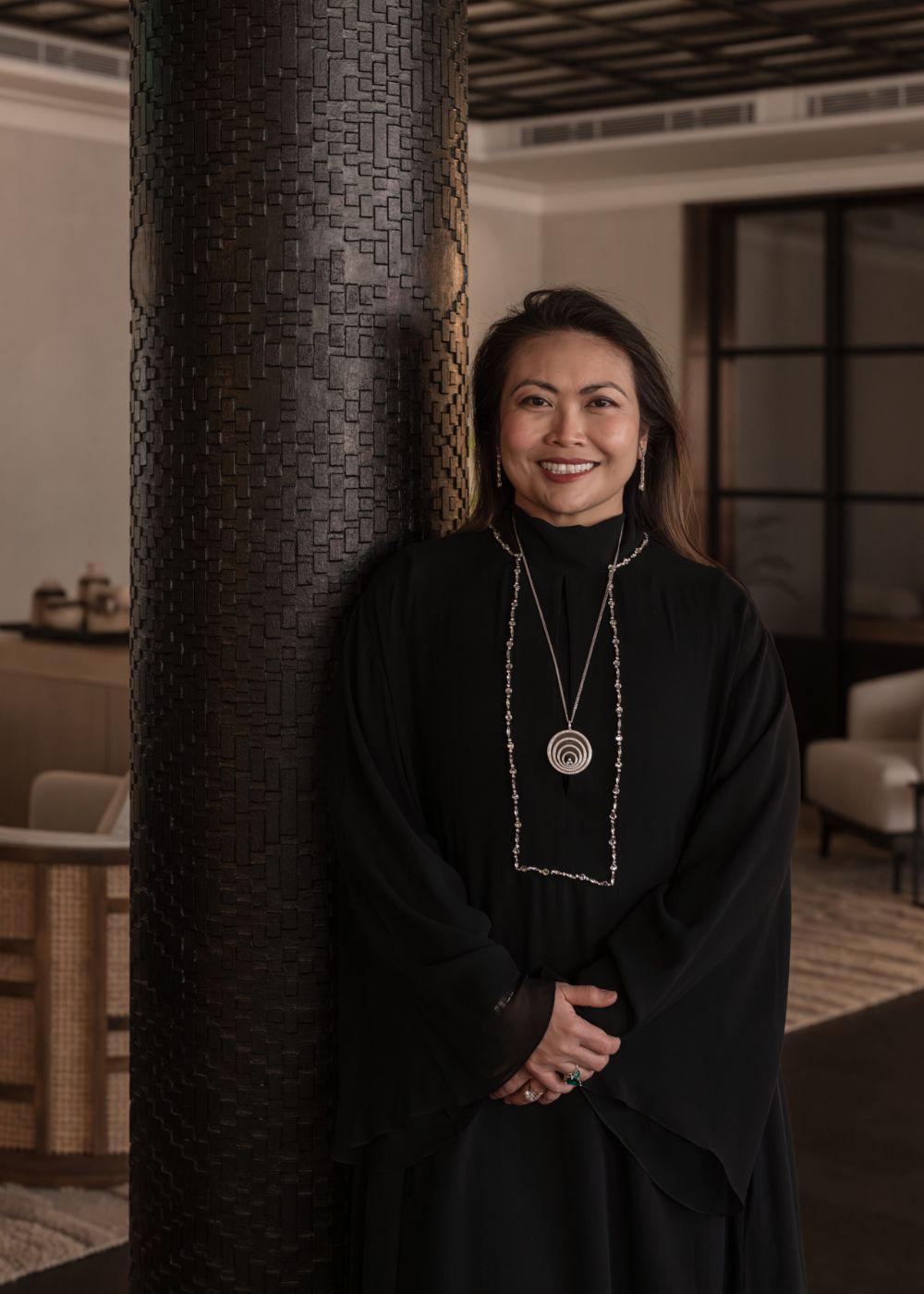
Yet in Malaysia, access, stigma, and cost still shape how – and if – people seek support. For Siti Hajar Onn, the answer isn’t simply more services, but a fundamental rethinking of how mental health care looks and feels. “Support shouldn’t feel intimidating or stigmatised,” she says. “It should be as accessible and aspirational as physical wellness.”
That philosophy led to the creation of The Kuaya – a first-of-its-kind outpatient mental health and wellbeing centre in Malaysia that’s designed to raise the standard of care while reframing therapy as a proactive, empowering choice rather than a last resort.
From London inspiration to Kuala Lumpur innovation
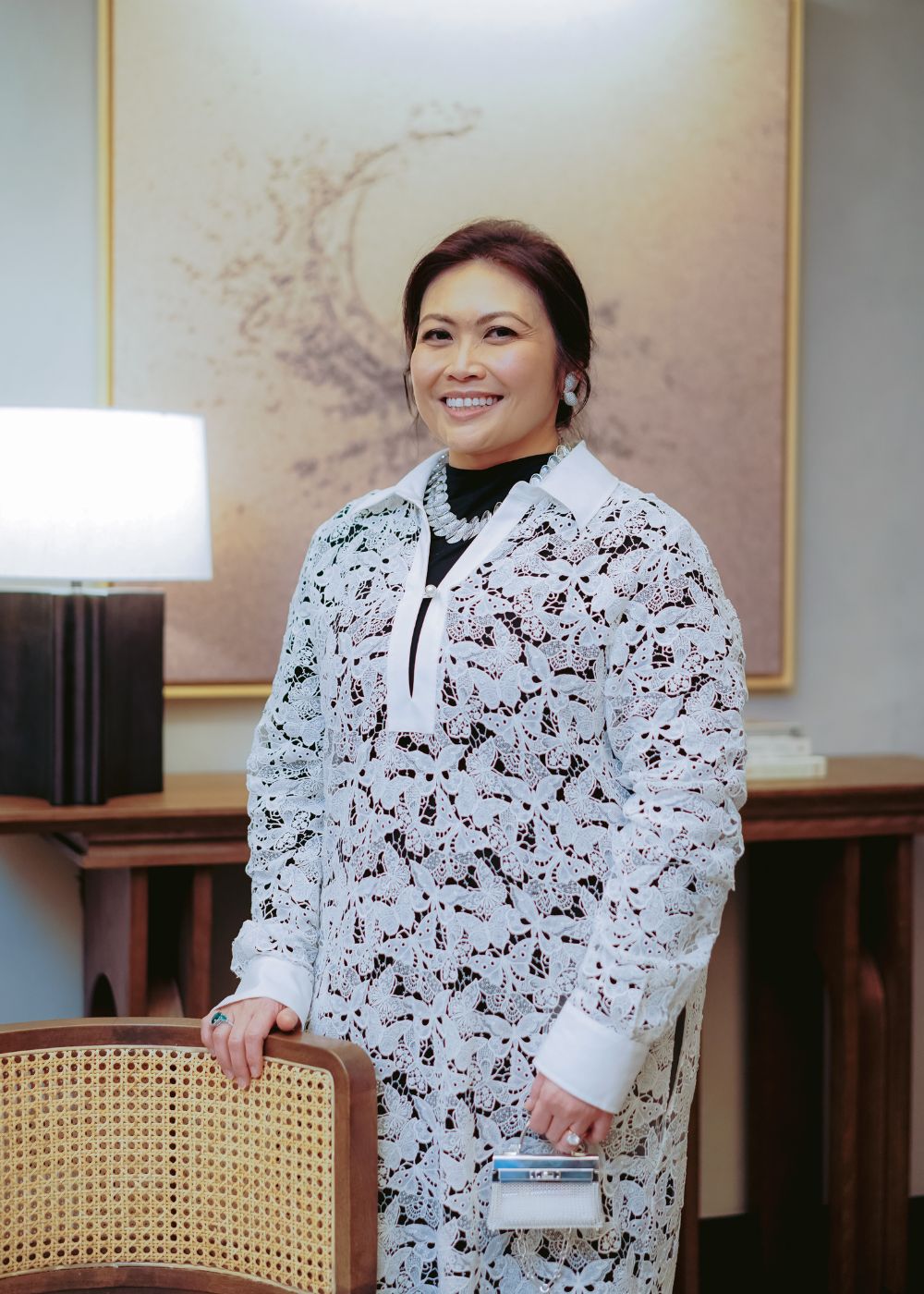
Siti’s entrepreneurial journey spans continents. “I was born and raised in Malaysia but spent much of my education and life between here and the UK,” she shares. “While in London, I came across The Soke, a pioneering outpatient mental health and wellness centre.”
Her relationship with The Soke was twofold — as an investor and a client. “That gave me a unique vantage point,” she explains. “I could see its strengths from both a business and deeply personal perspective.”
“[Mental health] support shouldn’t feel intimidating or stigmatised. It should be as accessible and aspirational as physical wellness.”
Experiencing its services first-hand was transformative. “It showed me what a safe, professional, and beautifully designed mental health service could look like,” she says. “When I compared that to what was available in Malaysia, it became clear there was a gap waiting to be filled. That was the seed for The Kuaya.”
Back home, Siti observed that mental health services often existed at two extremes. “You either have clinical, hospital-based care, which can feel daunting, or fragmented private practices with varying standards,” she notes. “What’s missing is an integrated, outpatient model that combines clinical rigour with an environment people actually want to step into.”
Beyond clients, she also recognised a need within the professional community. “Many work in silos, without opportunities for collaboration or continued learning. Creating a space where they can consult and grow together was an obvious high priority for me.”
Building a world-class model for Malaysia
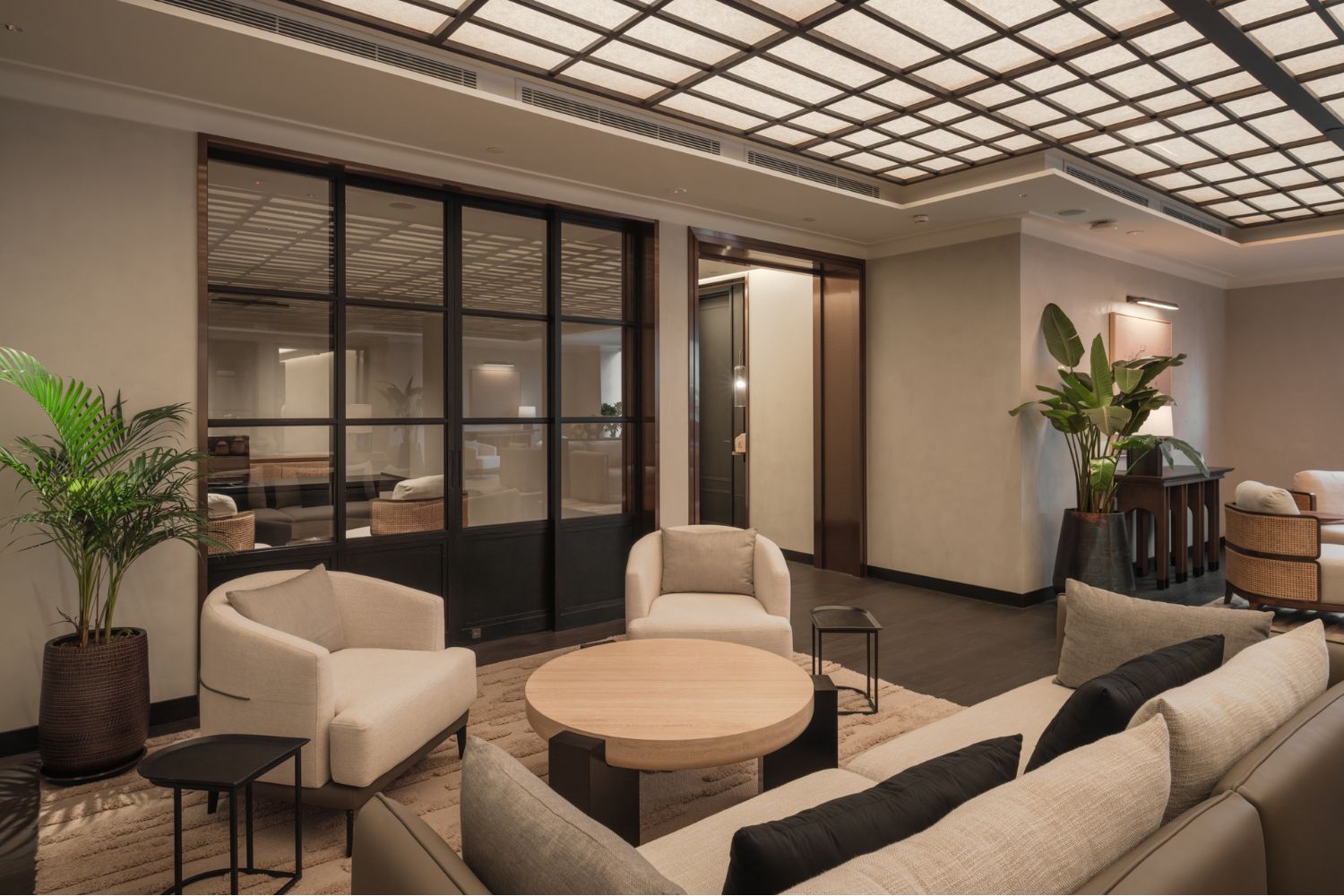
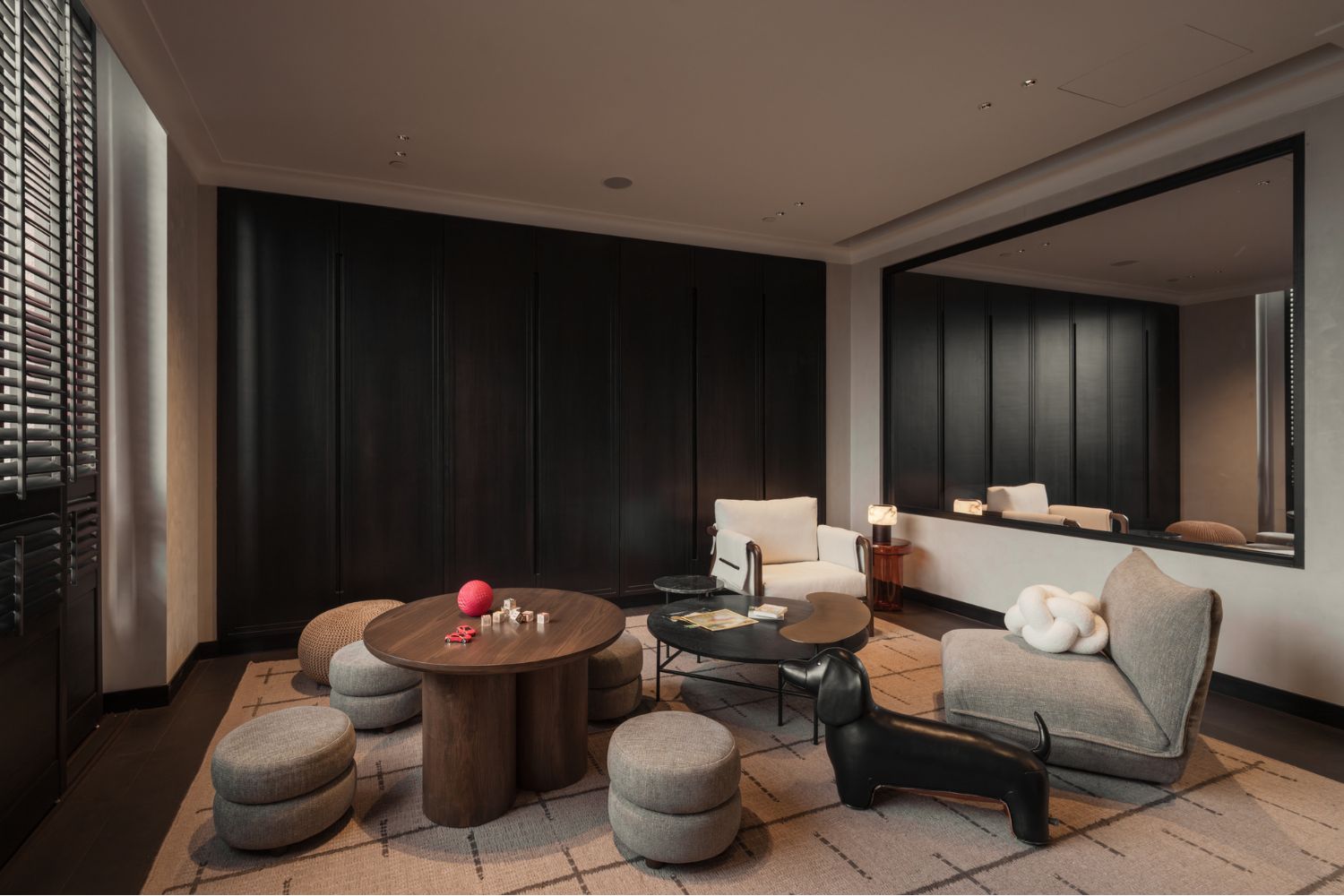
At the heart of The Kuaya is a clear vision: to elevate mental health services through intention and design. Located on the 6th floor of Faber Imperial Court, Kuala Lumpur, the space feels more like a thoughtfully curated residence than a clinical facility – reflecting the belief that environment plays a meaningful role in psychological safety and engagement. It features a welcoming lounge and reception area, 14 therapy rooms (including for family and groups), two consultation spaces, and five individual pods – complete with soft lighting, natural materials, and neutral tones.
“We’re built on three pillars,” Siti explains. “World-class clinical standards, a hospitality-driven client experience, and a holistic approach to wellbeing. Everything, from how we design our spaces to how we train our practitioners, is intentional. We want clients to feel safe, welcomed, and assured that they’re receiving the highest level of care,” she elaborates.
A key part of that foundation is The Kuaya’s partnership with The Soke. “Their frameworks around governance, clinical practice, and client experience provide a gold standard we can adapt locally,” she says. Localisation, however, is essential. “Malaysia has its own cultural nuances – from language use to family dynamics and community expectations,” she notes. “We’re blending The Soke’s best practices with Malaysia’s unique social fabric to create something that feels both world-class and homegrown.”
Even the name reflects that intention. “The Kuaya is a unique word for a unique concept,” says Siti. “We wanted a name that wouldn’t conjure up preconceptions, so people would take the time to discover who we are.” The connection to Kuala Lumpur is subtle but deliberate. “We ensured that the first three letters, ‘KUA’, symbolically connect to our home city.”
Breaking misconceptions about therapy
Despite growing awareness, misconceptions around therapy persist in Malaysia. “One of the biggest is that therapy is only for people in crisis or those diagnosed with serious conditions,” Siti says. “That mindset prevents people from seeking support earlier, when it could be most beneficial.”
She also highlights another long-held belief – that seeking help signals weakness. “In reality, it takes tremendous strength and self-awareness to acknowledge when you need support.” This is why The Kuaya works with a collaborative, multidisciplinary team to provide structured psychological care to three key groups: adults, children and families, and organisations. Its services span from specific life situations such as bereavement and grief, divorce and family restructuring, and menopause, to leadership and career changes or couples therapy.
“It takes tremendous strength and self-awareness to acknowledge when you need support.”
Encouragingly, she observes a generational shift. “Younger Malaysians are more open to talking about mental health. They see therapy as proactive, part of personal improvement, much like going to the gym or practising mindfulness.”
Looking back, Siti is optimistic about how far the conversation has come. “Ten years ago, therapy was rarely spoken about openly,” she says. “Now, mental health is part of the broader wellness conversation.” Still, she notes that progress remains uneven. “While awareness has grown, access to high-quality services hasn’t caught up. That’s where The Kuaya hopes to make a difference.”
For her, mental well-being extends beyond individual therapy sessions into daily life and the workplace. “Employees spend a significant portion of their lives at work, and their mental health directly affects performance, engagement, and retention,” she explains. “Forward-thinking companies are realising that providing mental health support isn’t just a benefit; it’s a business imperative.” To meet this need, The Kuaya is developing bespoke corporate wellness programmes aimed at building healthier, more resilient organisations.
Leading by example in work and in life
As a founder leading a wellness-driven brand, Siti believes credibility comes from lived experience. “I lean on the very tools I advocate for,” she says. “Therapy and coaching have been invaluable in helping me build resilience and self-awareness.”
Balance, she adds, is rooted in small, consistent habits. “I prioritise rest, movement, and staying connected with family and friends. It’s not about avoiding stress – it’s about learning to navigate it with clarity and compassion for oneself.”
Her daily rituals remain simple but grounding. “I make time each day to step away from the noise – even a short walk or a quiet coffee helps me stay present,” she says. “I end my day by talking things through with my husband. Those moments remind me what really matters and keep me grounded, no matter how busy things get.”
With The Kuaya, Siti Onn is offering a new vision of mental health care in Malaysia – one that reframes support as a form of self-investment, strength, and intention. In doing so, she’s not only raising standards, but redefining what it means to truly level up mental well-being.
For more inspiring stories, head here.