









2026 marks Visit Malaysia Year, making it the perfect opportunity to explore our nation’s rich heritage and natural wonders. From ancient archaeological sites to iconic colonial buildings and vibrant cultural landmarks, Malaysia offers a journey through time that showcases the depth and diversity of its legacy.
This year, as we welcome travellers from around the world, we highlight ten iconic sites that capture Malaysia’s historical, cultural, and natural treasures – each telling a unique story of the people, traditions, and landscapes that have shaped our country. From the prehistoric caves of Sarawak to the majestic Kinabalu Park in Sabah, and from centuries-old forts and palaces to striking heritage mansions, these sites offer a window into Malaysia’s past and present.
1. Lenggong Valley Archaeological Museum, Perak
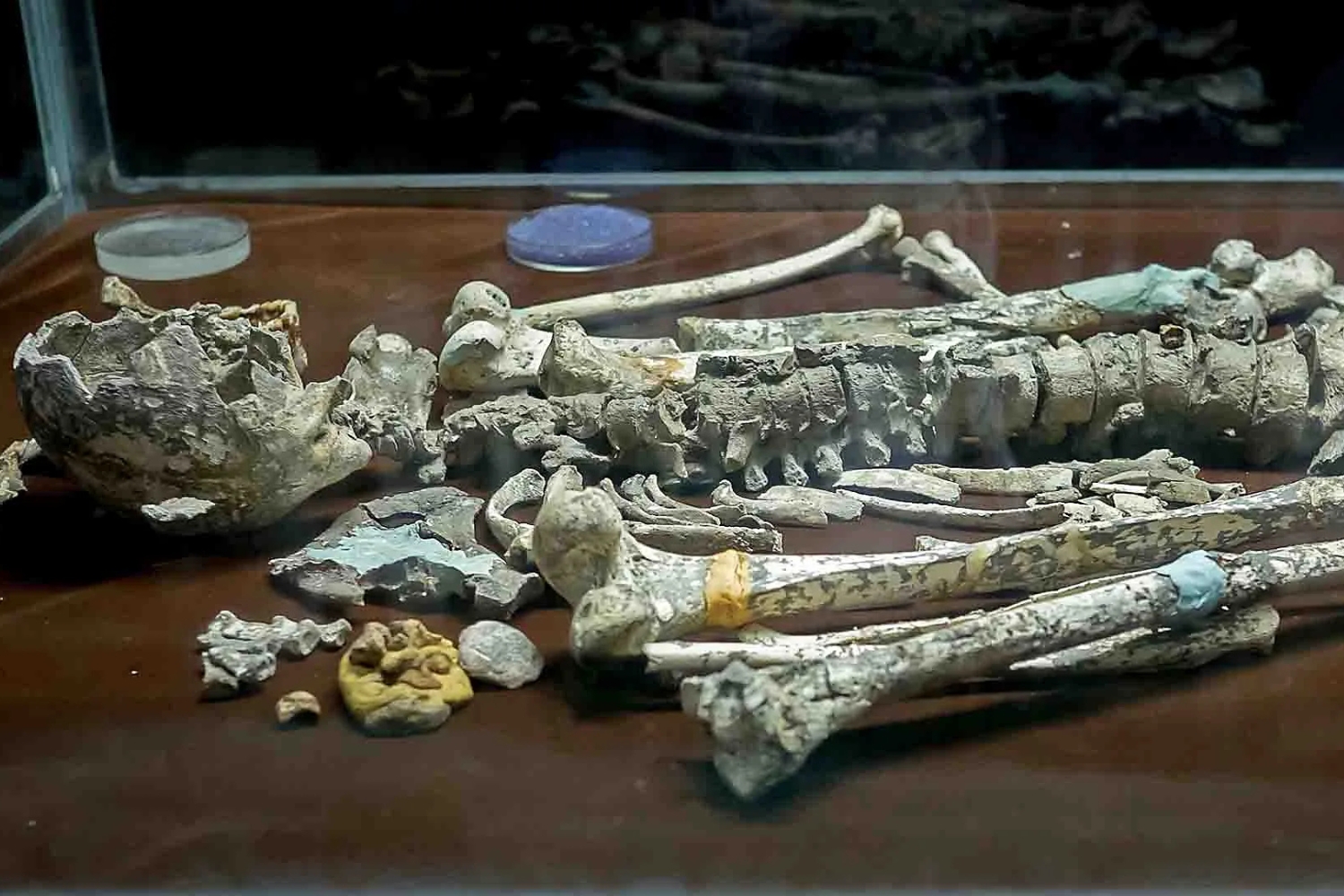
Lenggong Valley is a UNESCO World Heritage Site and one of the oldest human settlements in Malaysia, dating back nearly 2 million years. The museum preserves prehistoric artifacts, including the famous Perak Man, an ancient skeleton that provides insight into early human life in Southeast Asia. Visitors can explore excavated sites, ancient tools, and fossils, offering a deep dive into Malaysia’s earliest legacy. It’s a must-visit for anyone interested in the origins of civilisation in the region.
2. Niah National Park, Sarawak
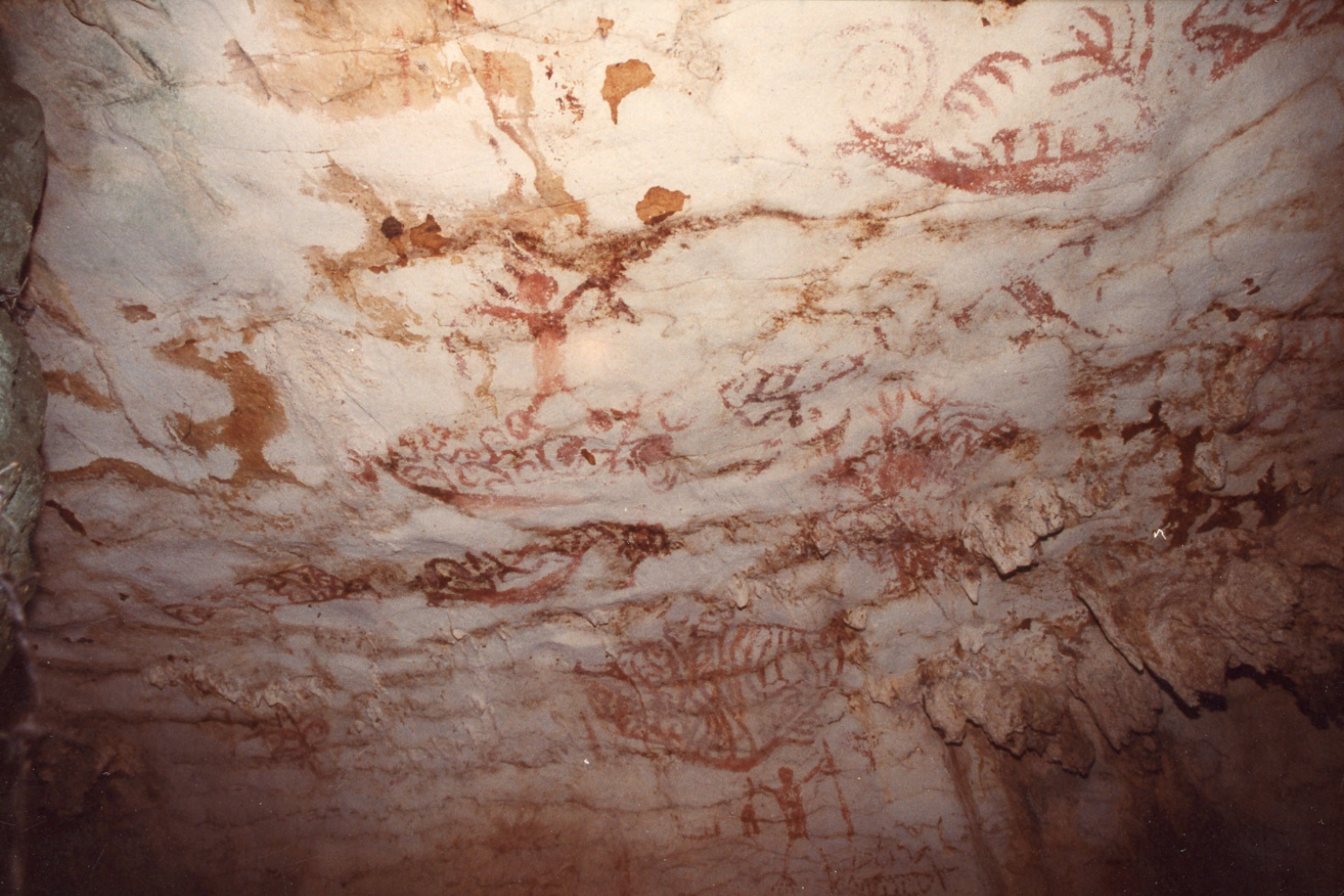
Located in Sarawak, the Niah National Park is home to caves that have been inhabited for more than 40,000 years, making it one of the most significant prehistoric sites in Malaysia. Archaeological discoveries here include ancient human remains, burial sites, and cave paintings. Additionally, the park also features lush rainforest trails and wildlife, combining natural beauty with historical importance. Niah provides a fascinating glimpse into the life of early humans in Borneo.
3. Masjid Kampung Laut, Kelantan
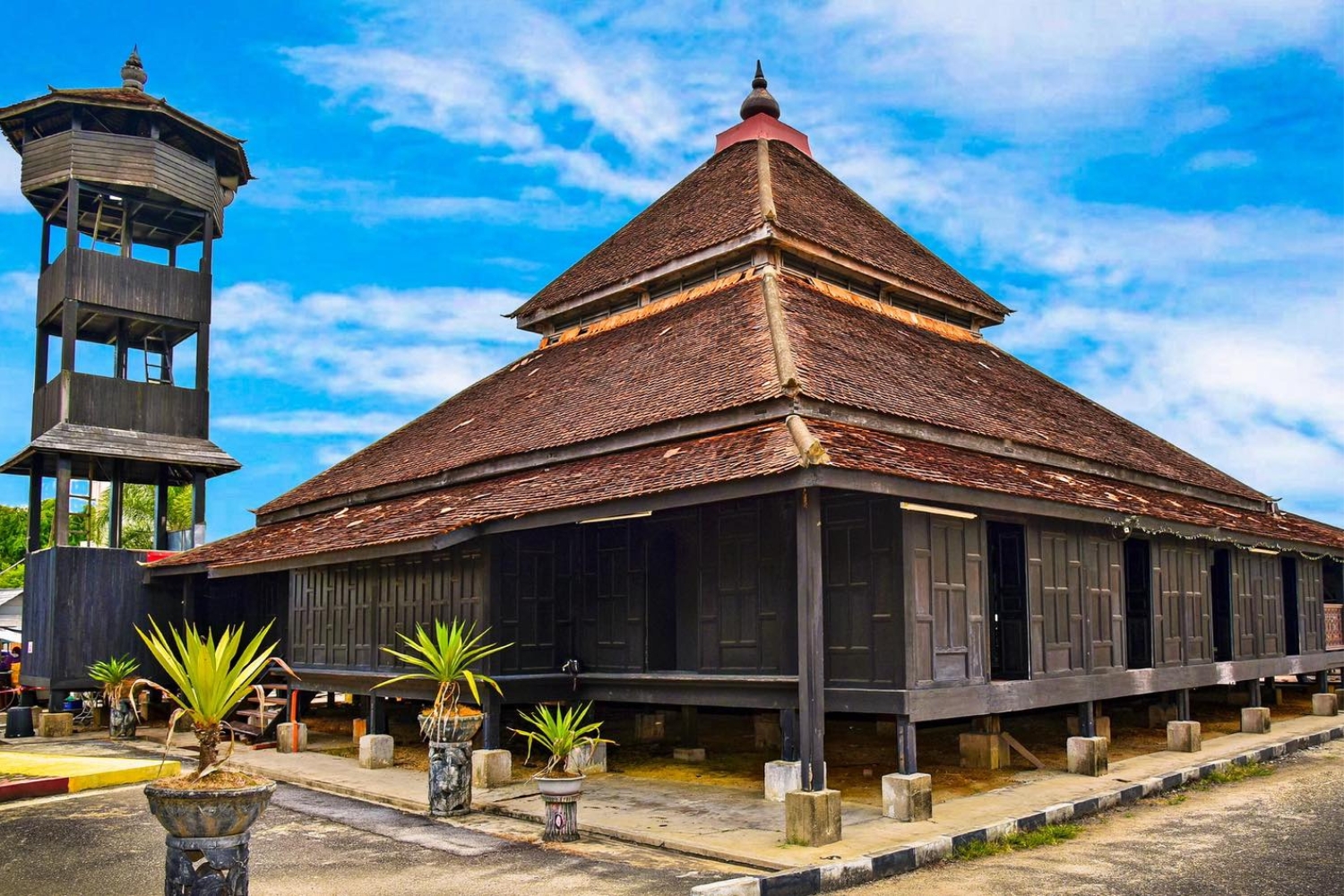
Masjid Kampung Laut in Kelantan stands as one of the oldest surviving wooden mosques in Malaysia. Built in the 18th century (with some sources suggesting earlier origins), it showcases traditional Malay architecture, featuring wooden walls, high ceilings, and intricate carvings. The mosque reflects Malaysia’s rich religious and architectural heritage, while it continues to serve as a place of worship and a symbol of spiritual and cultural legacy.
4. A Famosa Fort, Malacca
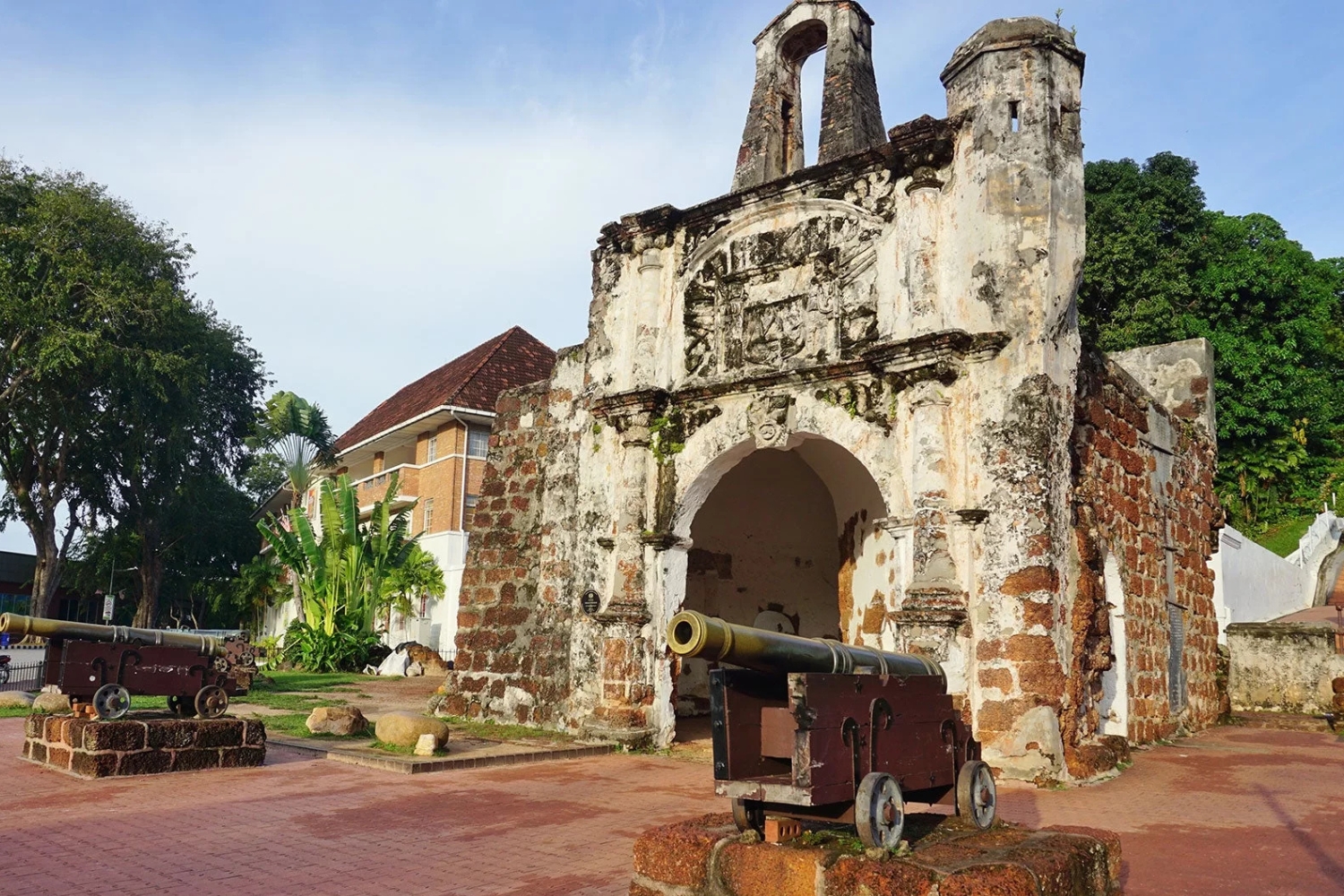
A Famosa Fort was constructed by the Portuguese in 1511 and is one of the oldest surviving European architectural structures in Southeast Asia. Originally a large fortress, only the iconic Porta de Santiago gate remains today. The site marks the beginning of Malacca’s colonial era, reflecting Portugal’s influence in the region. It remains a powerful symbol of Malaysia’s historical resilience and strategic importance.
5. Baba-Nyonya Heritage Museum, Malacca
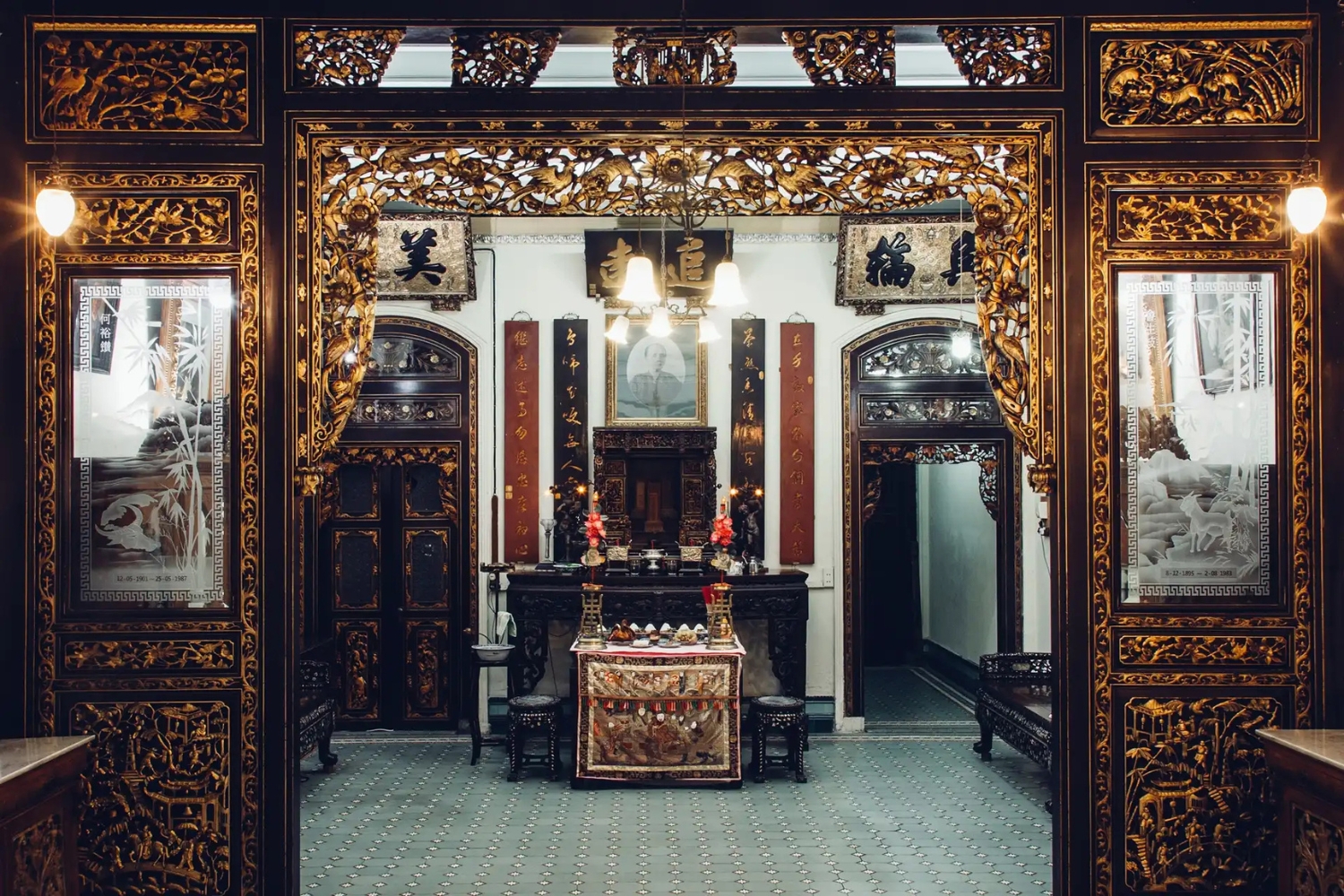
The Baba-Nyonya Heritage Museum is a 19th-century Peranakan mansion that showcases the culture of the Straits Chinese community. Visitors can explore richly decorated rooms, antique furniture, and traditional attire that tell the story of multigenerational family life. The museum highlights Malaysia’s unique cultural fusion of Chinese and Malay influences. It’s a vibrant celebration of heritage, art, and tradition.
6. Cheong Fatt Tze Mansion, Penang
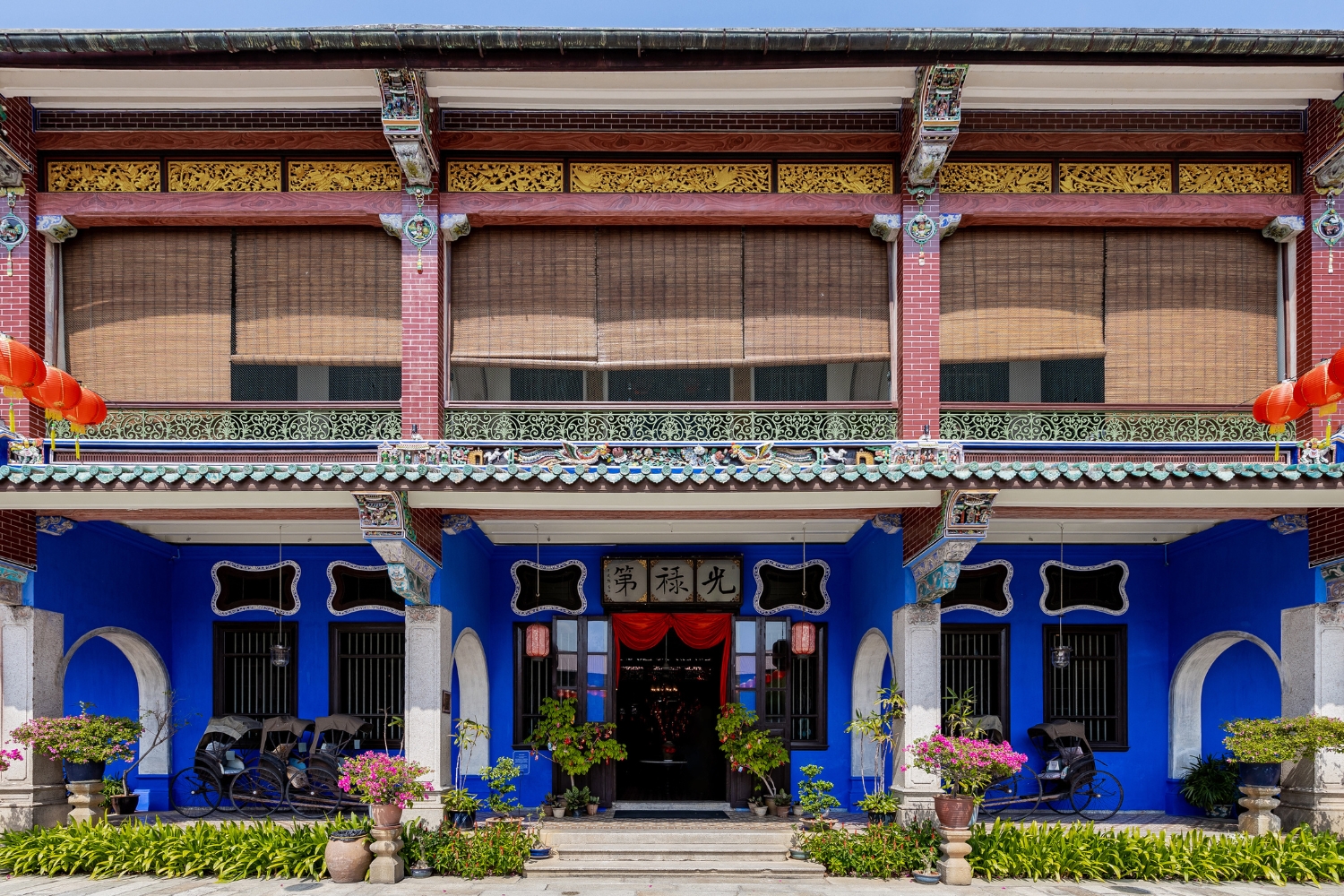
Cheong Fatt Tze Mansion, also known as the “Blue Mansion,” was built in the 1890s by the Chinese entrepreneur Cheong Fatt Tze. The striking indigo-blue exterior, intricate carvings, and traditional feng shui design make it an architectural icon. It provides a glimpse into the lifestyle and culture of wealthy Straits Chinese families in Penang. Today, it operates as a museum and boutique hotel, preserving Malaysia’s architectural and cultural legacy.
7. Istana Seri Menanti, Negeri Sembilan
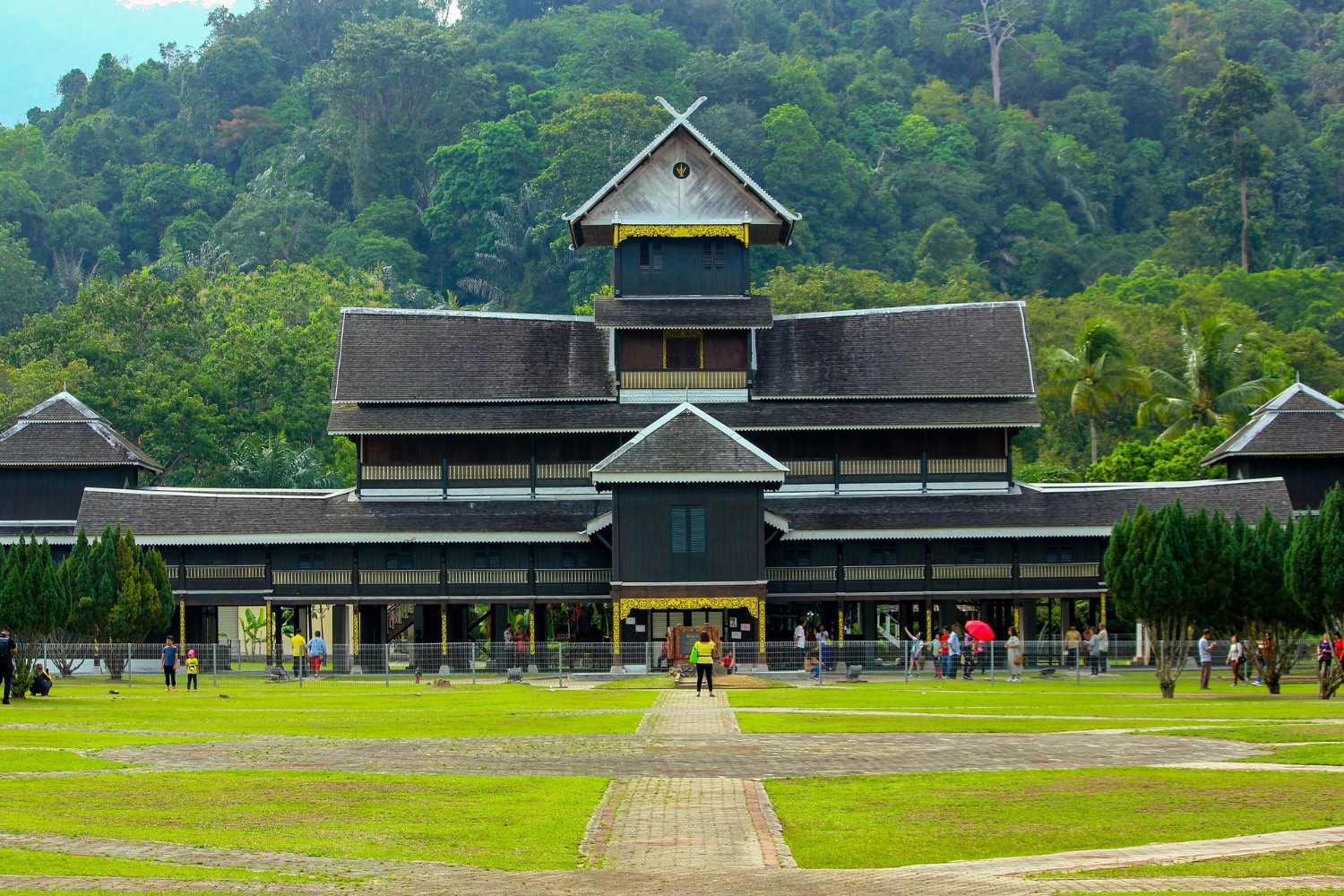
Istana Seri Menanti is a traditional Malay palace built in 1908 entirely without nails, using only interlocking timber techniques. It served as the royal residence for the rulers of Negeri Sembilan and showcases Malay craftsmanship at its finest. The palace’s design features grand halls, intricate carvings, and a unique blend of functional and aesthetic elements. It stands as a symbol of royal heritage and Malaysia’s architectural ingenuity.
8. Sultan Abdul Samad Building, Kuala Lumpur
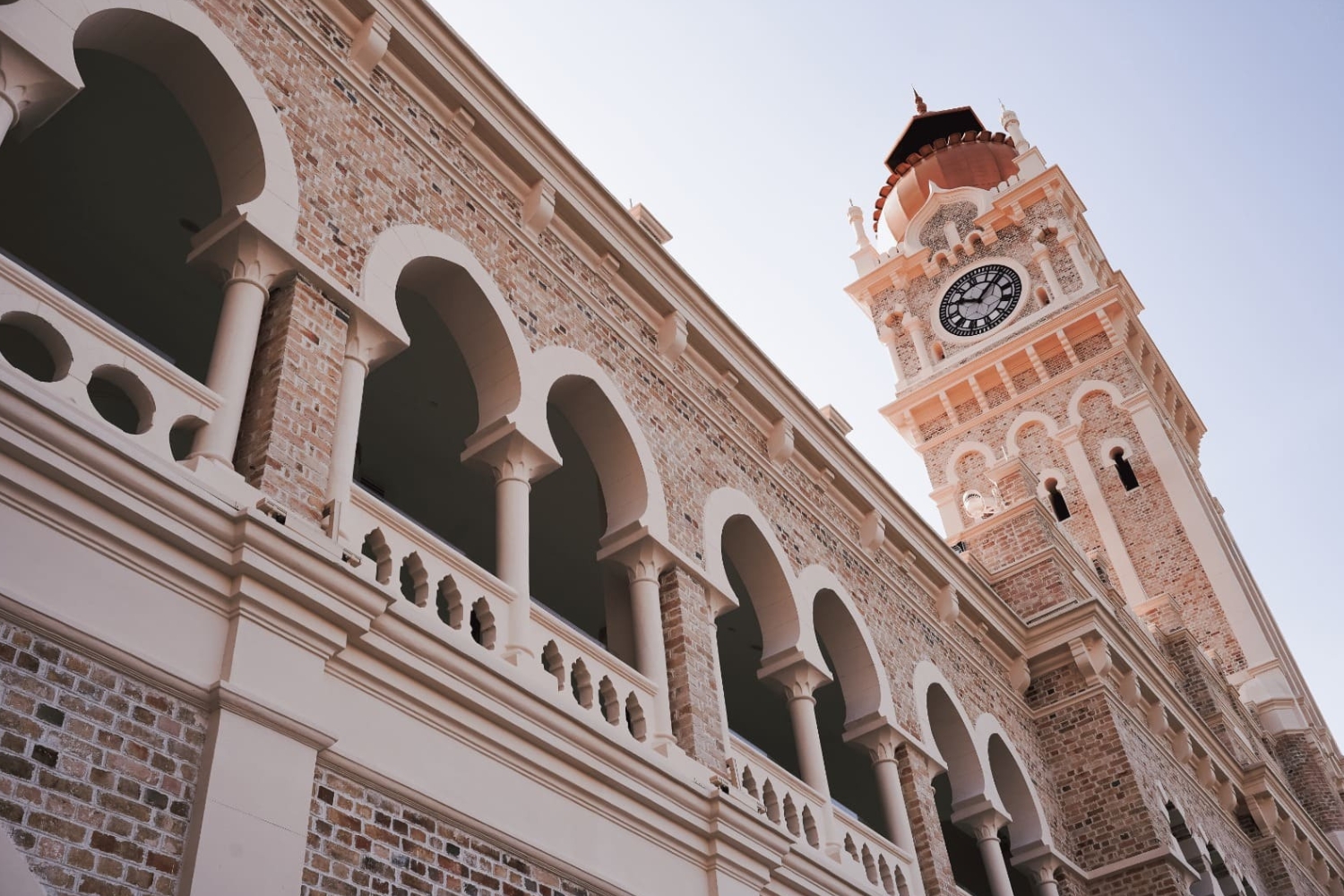
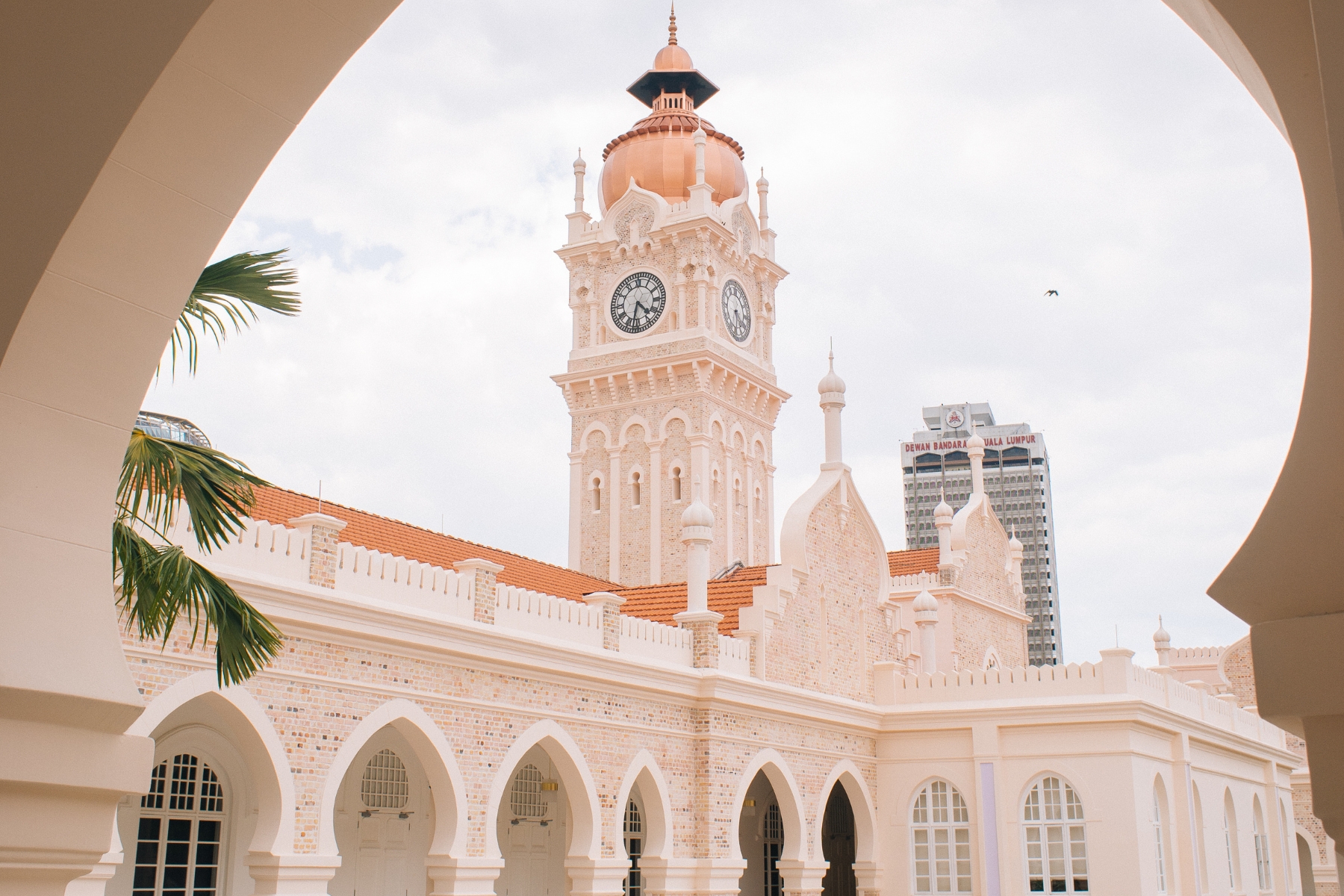
The Sultan Abdul Samad Building, completed in 1897, is one of Kuala Lumpur’s most recognizable colonial landmarks. Designed in the Moorish style, it originally housed British administrative offices and now serves as a historical symbol of Malaysia’s governance. Its iconic clock tower and arched facades are popular with visitors and photographers. The building reflects Malaysia’s journey from colonial rule to independence.
9. Fort Margherita, Sarawak
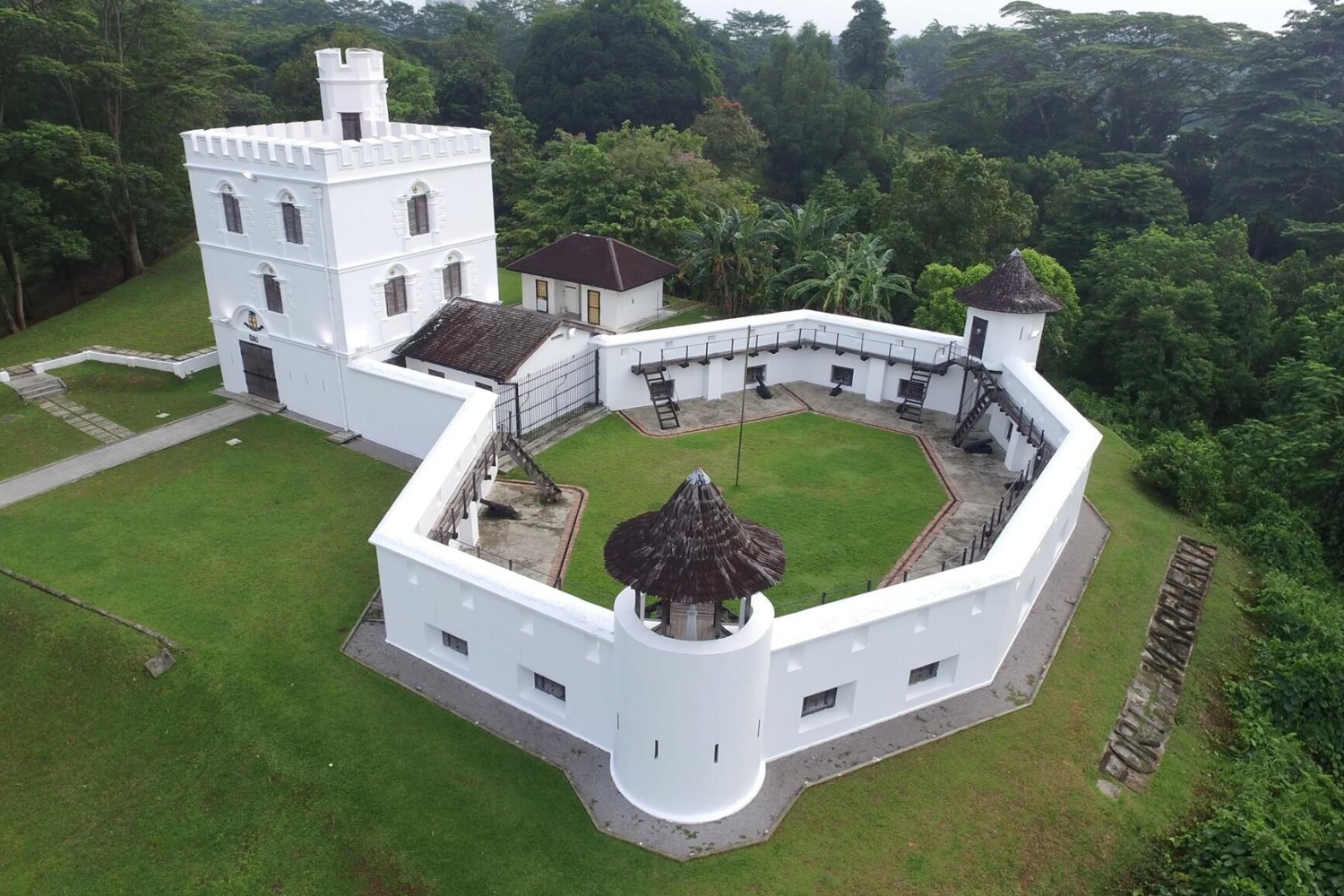
Fort Margherita, built in 1879 by Charles Brooke, the second White Rajah of Sarawak, was constructed to defend Kuching against river pirates. The fort is strategically located along the Sarawak River and features classic colonial military architecture. Today, it houses the Brooke Gallery, showcasing Sarawak’s history and the Brooke dynasty. Fort Margherita is a tangible reminder of local governance and historical defense strategies in East Malaysia.
10. Kinabalu Park, Sabah
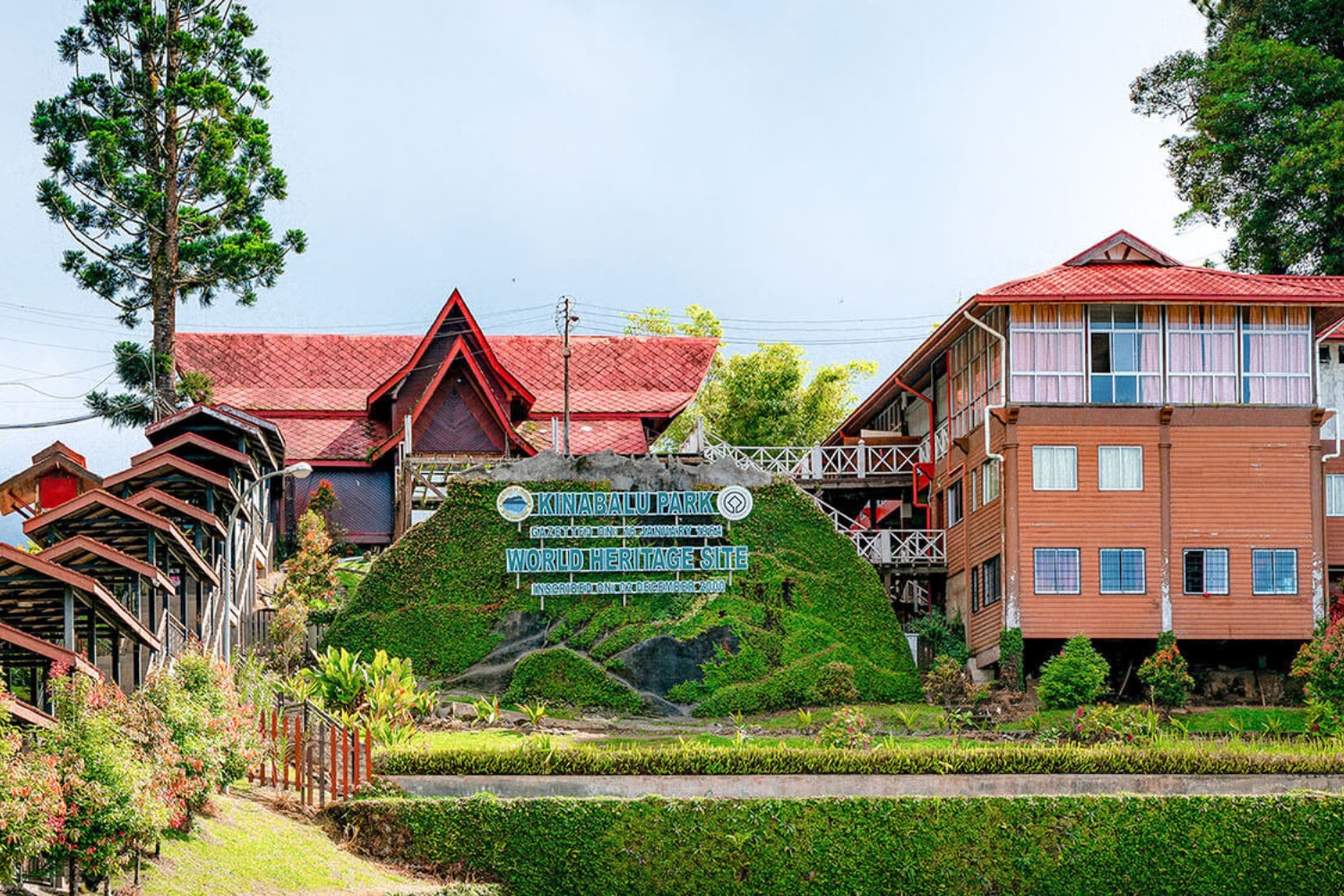
Kinabalu Park, a UNESCO World Heritage Site, is home to Mount Kinabalu, the highest peak in Southeast Asia, and an incredibly diverse rainforest ecosystem. The park contains thousands of plant and animal species, some found nowhere else in the world. It represents Malaysia’s natural legacy and commitment to conservation. Visitors can enjoy hiking trails, botanical gardens, and breathtaking views while exploring this ecological treasure.
Read more travel stories here.