




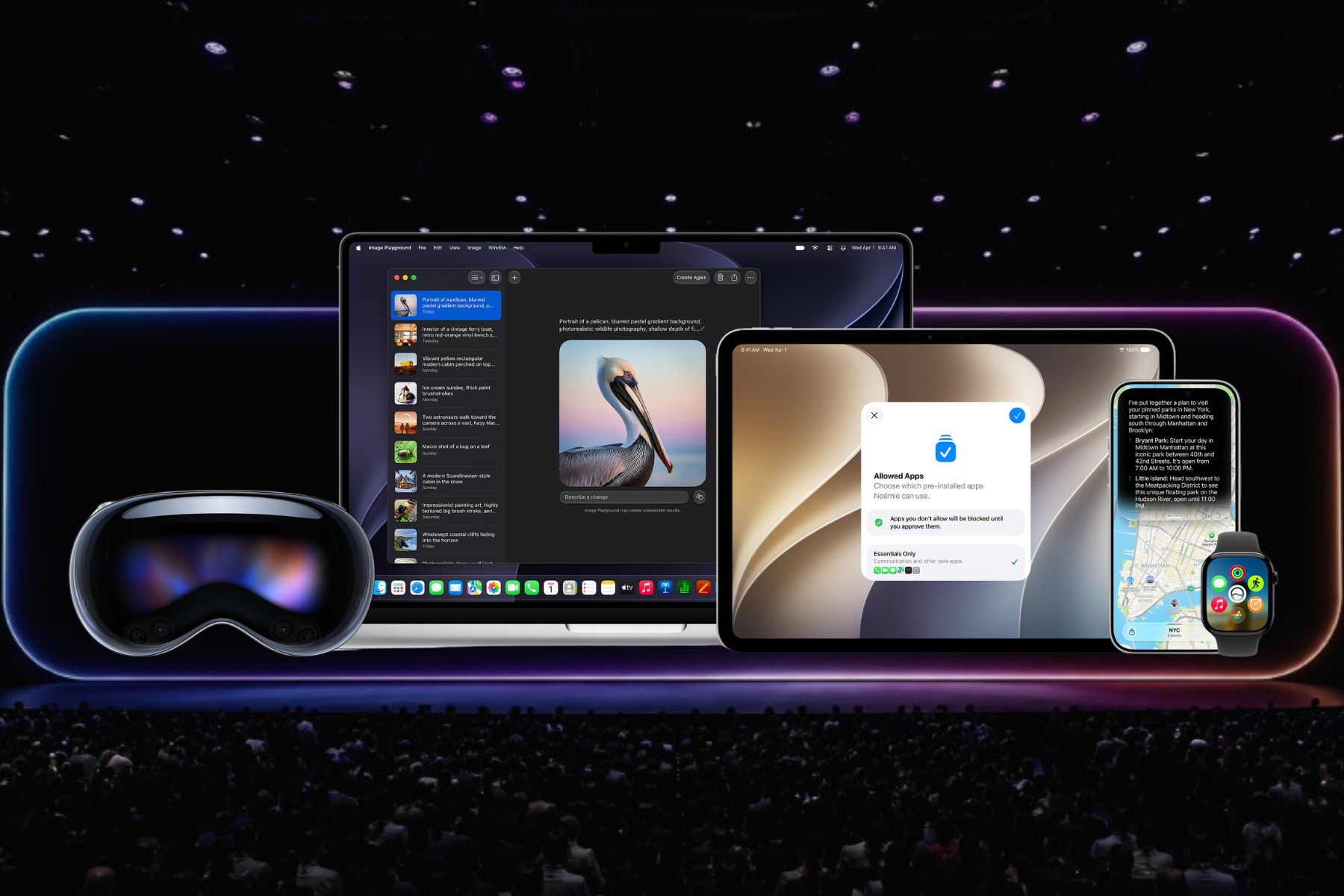





Following Apple’s WWDC 2026 keynote at Apple Park on June 8, 2026, headlines have understandably focused on Apple Intelligence and the long-awaited reinvention of Siri. However, the company’s broader strategy seems to point to something more profound than a race for artificial intelligence supremacy.
Across software, design, and performance, Apple is steadily building a future in which technology fades into the background – anticipating needs, streamlining everyday tasks, and reducing digital clutter.
In other words, Apple is making a case for what might be called invisible luxury: technology that demands less attention while delivering more value.
Liquid Glass and the elegance of disappearing design
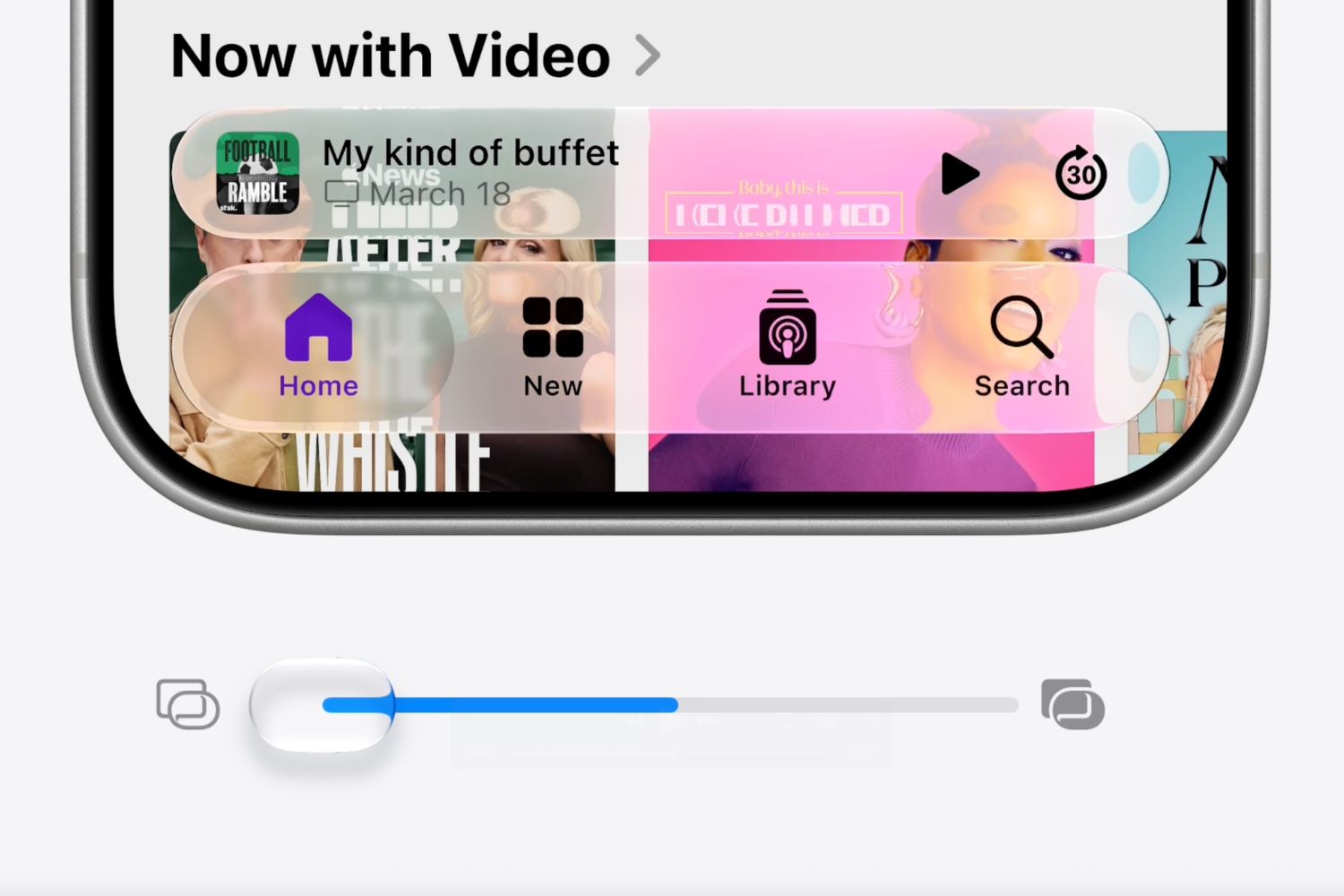
One of the most visually striking announcements from WWDC 2026 was the continued evolution of Apple’s Liquid Glass design language, which now extends more cohesively across the company’s ecosystem. The aesthetic is characterised by translucent surfaces, fluid animations, and adaptive layers that respond naturally to content and movement.
Yet unlike many software redesigns that demand attention, Liquid Glass feels designed to do the opposite. Its purpose is not to become the focal point (unless you want it to be). Rather, it allows content, communication, and functionality to take centre stage while the interface quietly recedes into the background.
The philosophy mirrors the principles behind exceptional architecture and design. The best luxury spaces rarely overwhelm visitors with decoration; instead, they create environments that feel intuitive, effortless, and calm. In a technology landscape increasingly crowded by alerts, widgets, and visual noise, Apple’s restraint may be the boldest design choice of all.
Apple Intelligence and the luxury of time
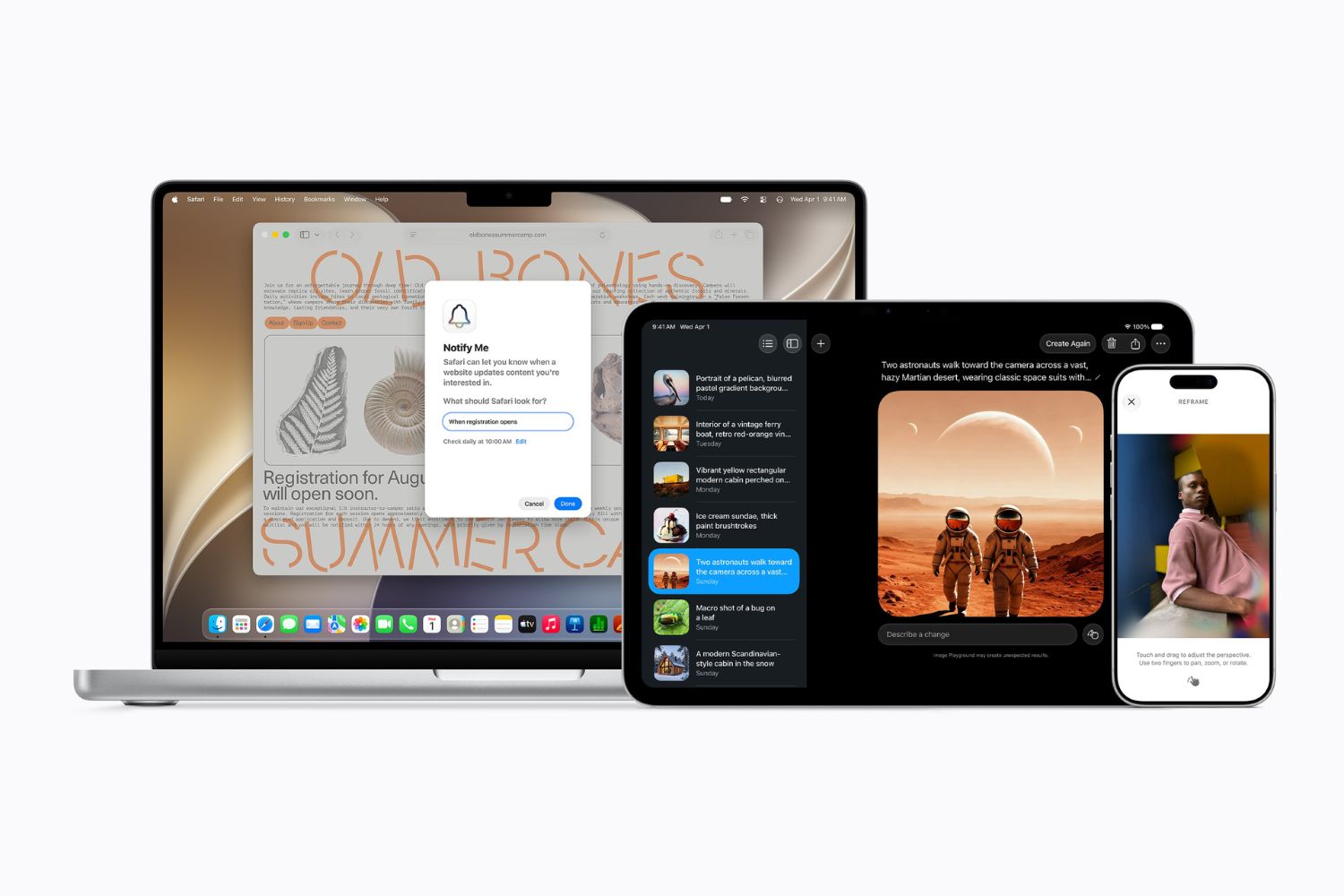
Artificial intelligence was unsurprisingly a major focus of this year’s keynote. But instead of presenting AI as a standalone product, Apple has woven it directly into everyday experiences across the operating system.
Writing Tools can help users adapt the tone of an email or text in seconds. Visual Intelligence can identify objects, landmarks, and information on screen. Enhanced Shortcuts can automate multi-step tasks with natural language prompts, while intelligent suggestions surface relevant actions before users think to search for them.
The emphasis is less on technological spectacle and more on practical utility. For professionals, entrepreneurs, and creatives, the value proposition is straightforward: less time spent navigating technology means more time spent focusing on what matters.
After all, luxury has long involved delegation. Whether through personal assistants, concierge services, or dedicated staff, affluent consumers have historically paid to reclaim their most finite resource – time. Apple Intelligence represents a digital evolution of that same principle.
Siri AI and the rise of the digital concierge
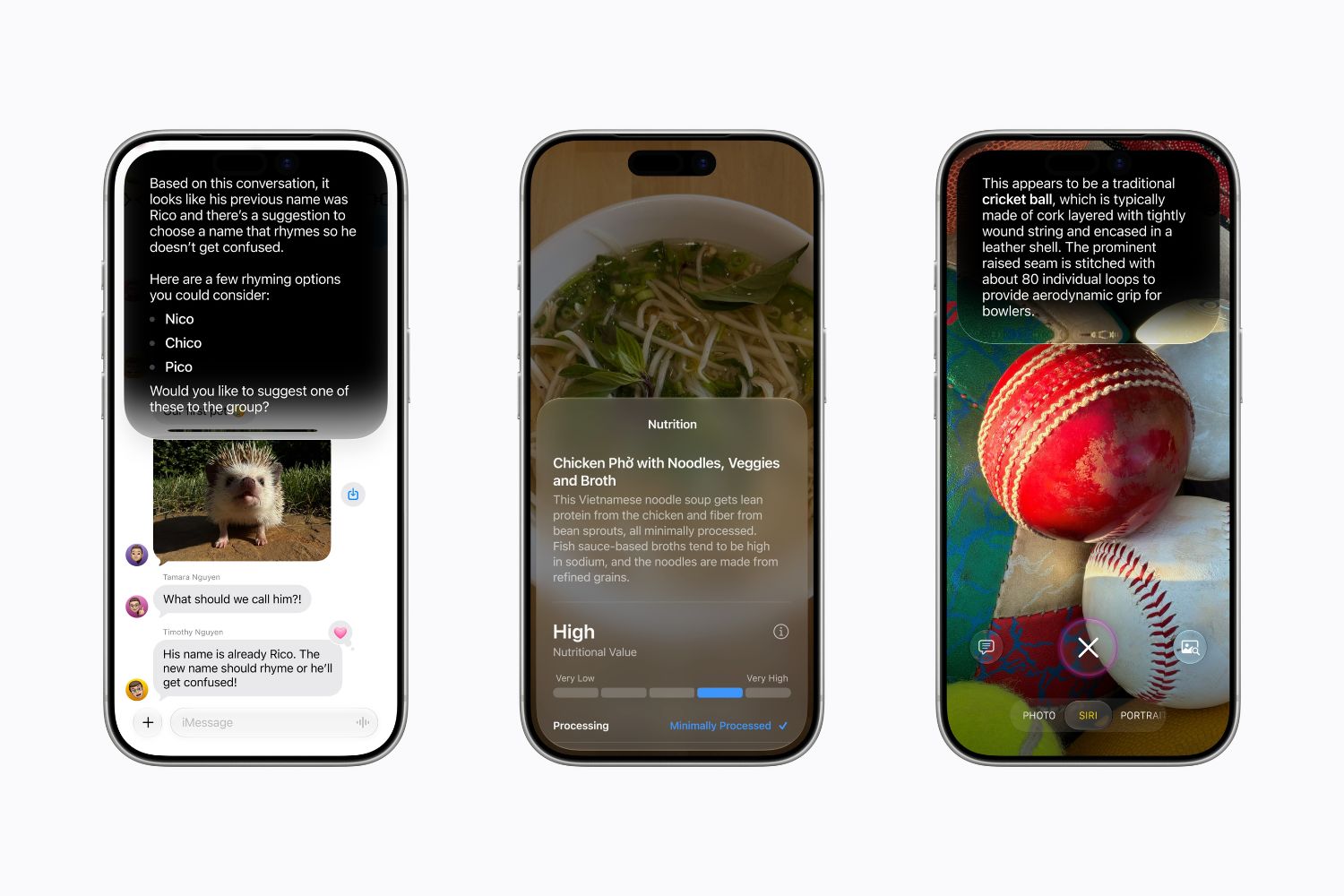
For years, Siri has occupied an unusual position within Apple’s ecosystem: ever-present, but not quite indispensable. WWDC 2026 marked Apple’s clearest effort yet to ensure that changes.
The upgraded assistant can now understand personal context, recognise what’s displayed on screen, answer questions, and perform actions spanning multiple applications. Need to locate a recommendation shared in a previous conversation? Ask Siri. Looking at an event invitation and want to add it to your calendar while arranging transport? Siri can help complete the task without forcing users to jump between apps.
Apple’s dedicated Siri app also allows users to revisit previous conversations and continue interactions across devices through privately synchronised conversational history via iCloud. This effectively evolves Siri from a voice assistant and into a personal digital concierge.
In luxury hospitality, exceptional service is built on anticipation rather than reaction. The finest hotels remember preferences before guests ask. The best concierges solve problems before they become inconveniences. Apple appears to be pursuing a similar ideal, creating technology that understands enough about its users to offer meaningful assistance without constant instruction.
Parental Controls and the value of peace of mind
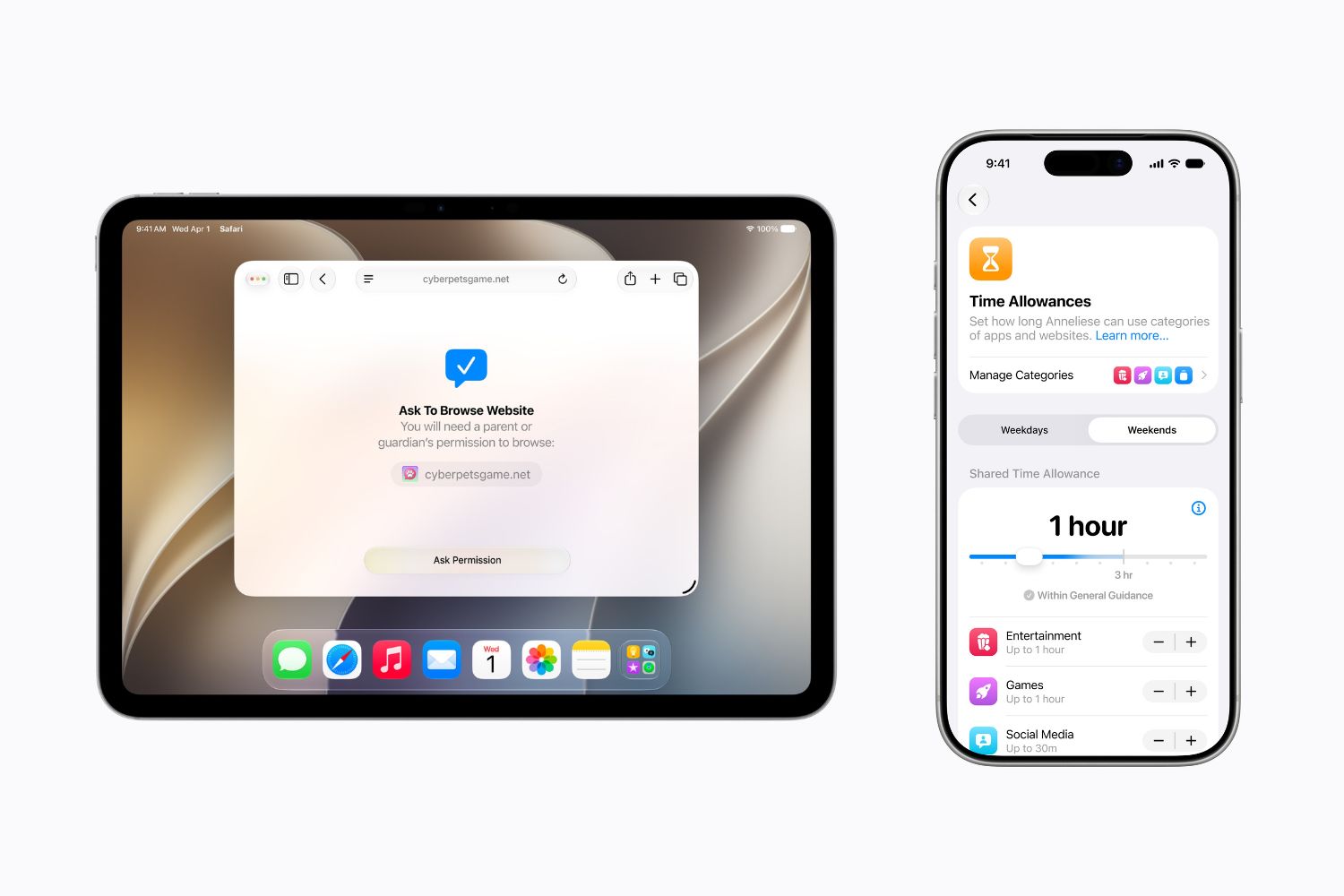
Among the most overlooked announcements was Apple’s continued investment in family-focused features. New parental controls like Time Allowances and daily Schedules, child account enhancements, communication permissions, and expanded safety tools reflect a growing emphasis on digital wellbeing.
The move speaks to a broader shift in consumer priorities. As technology becomes increasingly embedded in daily life, many families are looking not only for innovation but also reassurance. Privacy, safety, and healthy digital habits are becoming important differentiators. For parents navigating an increasingly complex and sensitive digital landscape, peace of mind may be one of the most meaningful luxuries.
Performance improvements and the power of removing friction
Not every meaningful announcement at WWDC 2026 involved artificial intelligence. Some of the most consequential improvements were also the easiest to overlook.
Alongside its headline features, Apple announced a series of refinements designed to make its software faster, more reliable, and more intuitive. Apps on iPhone and iPad now launch up to 30% faster, newly captured photos load up to 70% quicker, and AirDrop transfers can be completed up to 80% more efficiently. Moving between cellular and Wi-Fi networks has also become more seamless, while file transfers between external drives and iPad are now up to five times faster.
Elsewhere, Apple has rebuilt search experiences across Spotlight, Photos, and Mail to improve stability and relevance, with a new ranking system in Mail designed to surface the most useful results more effectively.
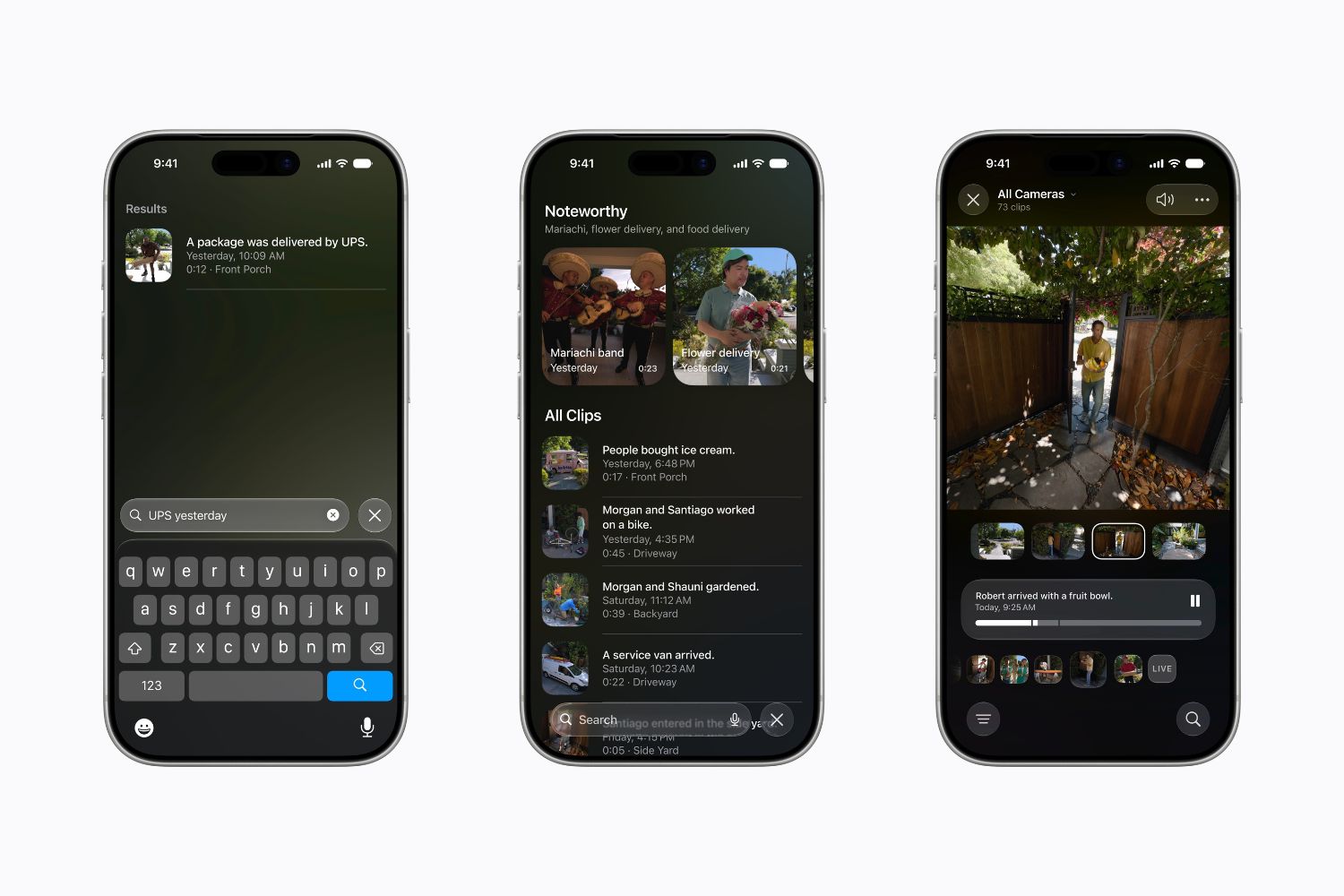
These upgrades are unlikely to dominate headlines because they lack the visual appeal of a redesigned interface or the excitement surrounding AI. Yet they may actually have a greater impact on everyday life.
Users rarely notice when an app launches a second faster, when a photo appears instantly, or when a file transfers without interruption. But the cumulative effect of these small improvements can create an experience that feels more responsive, more reliable, and ultimately more enjoyable.
In luxury, guests rarely praise operational efficiency directly. They simply remember that everything worked. The same principle applies here. Invisible luxury is measured not by what users see, but by what they no longer have to wait for.
Apple’s next chapter

The timing of WWDC 2026 also lends additional weight to the keynote. With Tim Cook’s departure after nearly 15 years as CEO, the event felt less like a showcase of new features and more like a reflection of the philosophy that has defined Apple’s modern era.
If s made technology desirable, Cook’s legacy may be making it indispensable without being intrusive. From Apple Intelligence and Siri AI to Liquid Glass and countless software refinements, the company’s latest announcements suggest a future where technology quietly integrates into everyday life rather than competing for attention.
In case you missed it, watch the full WWDC 2026 livestream below:
For more updates on technology and gadgets, head here.