




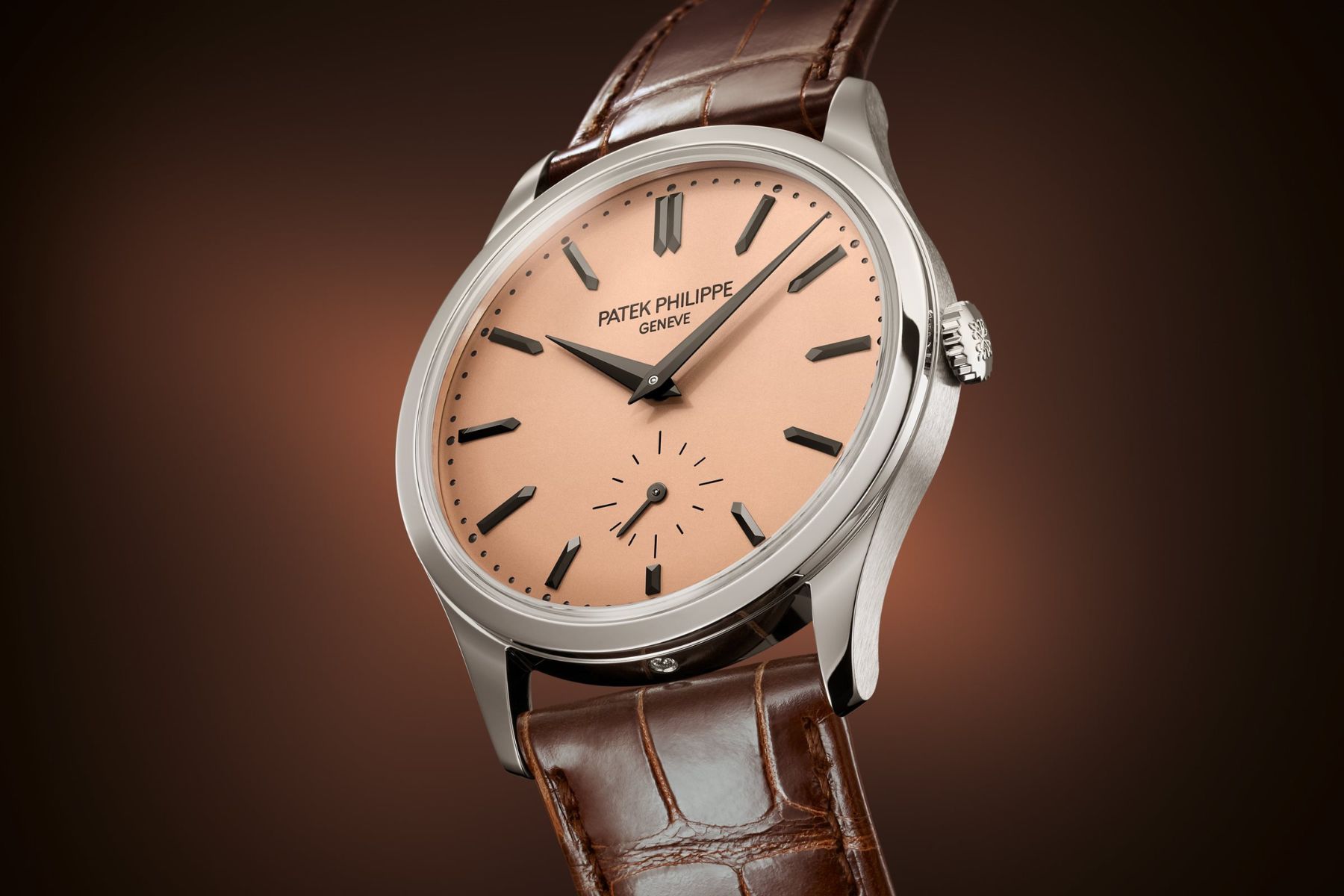






For 175 years, Patek Philippe has dominated the esoteric world of haute horlogerie, extending beyond its avant-garde craftsmanship, but also its enduring heritage and remarkable exclusivity. Its renowned tagline, “You never actually own a Patek Philippe; you merely take care of it for the next generation,” perfectly encapsulates why Patek Philippe has achieved the “grail status” among watch collectors. The brand designs its watches to outlive their owners, creating not just a luxury timepiece but also a symbol of legacy. But how did Patek Philippe build its legacy and become the ultimate goal for watch enthusiasts across generations?
The beginning
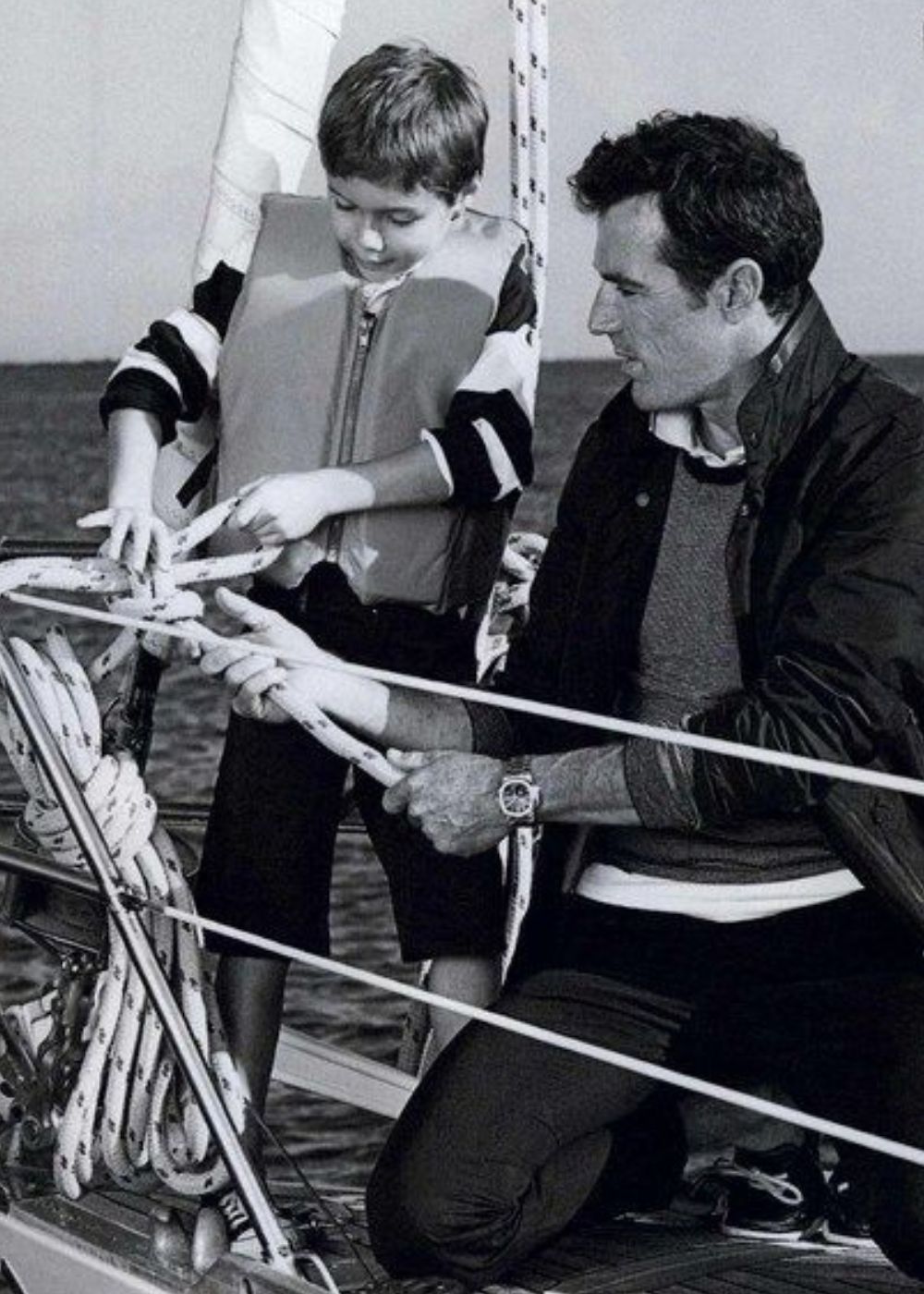
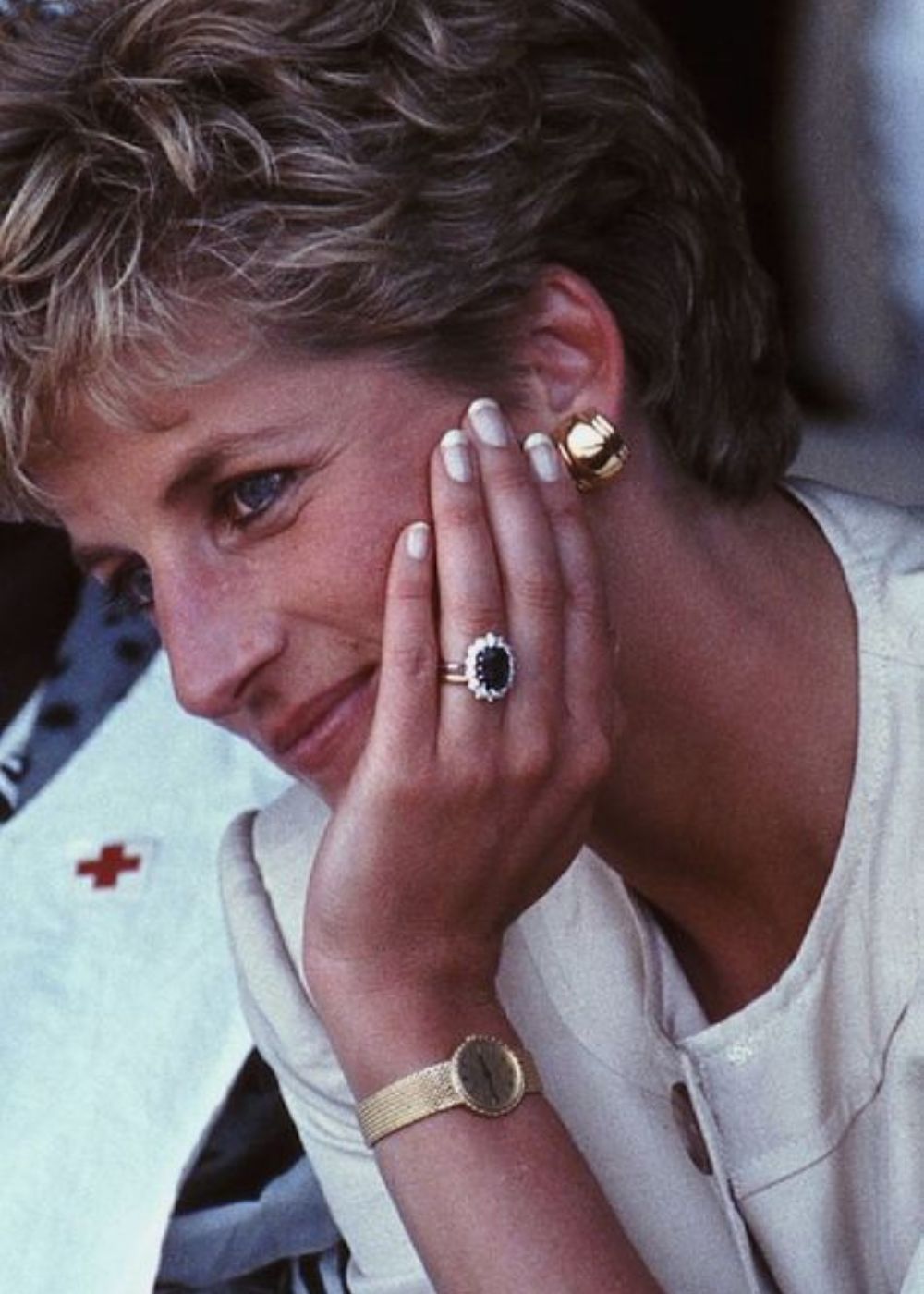
The story of Patek Philippe traces back to the year 1839, when watchmakers Antoni Norbert de Patek, a Polish cavalry officer turned entrepreneur, and François Czapek, a master watchmaker, founded Patek, Czapek & Cie in Geneva. Patek partnered with Jean Adrien Philippe in 1845, where he introduced groundbreaking innovations, including the keyless winding and crown winding that enhanced a watch’s usability and advanced the brand’s technical development. In 1851, the name Patek Philippe & Co. was born, and together, Patek and Philippe consistently pushed the boundaries of horological craftsmanship, attracting a clientele of royalty, aristocrats, and collectors – which later included Princess Diana, Princess of Wales.
The maison created its first wristwatch for a Hungarian countess in 1868, pioneering watchmaking advancements such as the perpetual calendar, split-seconds chronograph, minute repeater, and other complications that cemented its reputation today. Consistently combining functionality with elegance, its traditional craftsmanship with state-of-the-art precision engineering produced exceptional timepieces, reinforcing its mechanical work of art designed to endure across generations.
Patek Philippe icons
Patek Philippe Calatrava
Patek Philippe introduced the Calatrava in 1932, during the Great Depression. It was inspired by the minimalistic Bauhaus principle of how “form follows function”, resulting in a sleek design that quickly became the maison’s emblem. Over the decades, the Calatrava evolved through various iterations, all staying true to its understated aesthetic while incorporating subtle technical advancements. Today, the Calatrava collection includes classic time-only references alongside more complex executions such as annual calendars and dual time zone models, with case sizes extending up to 42 mm in contemporary variations.
Patek Philippe Nautilus
Designed by Gérald Genta and introduced in 1976, the rounded octagonal bezel of the Nautilus drew inspiration from maritime portholes. Its unique aesthetic and horizontally embossed dial made it instantly recognisable, cementing its place as a design icon that influences modern horology.
Patek Philippe Grand Complications
The pinnacle of Patek Philippe’s technological proficiency lies in the Grand Complications collection – a perfect showcase of the epitome of haute horlogerie, from minute repeaters and tourbillons to perpetual calendars and celestial displays. These timepieces have become cultural icons that shape the language of distinction and artistry in watchmaking.
A collector’s grail watch
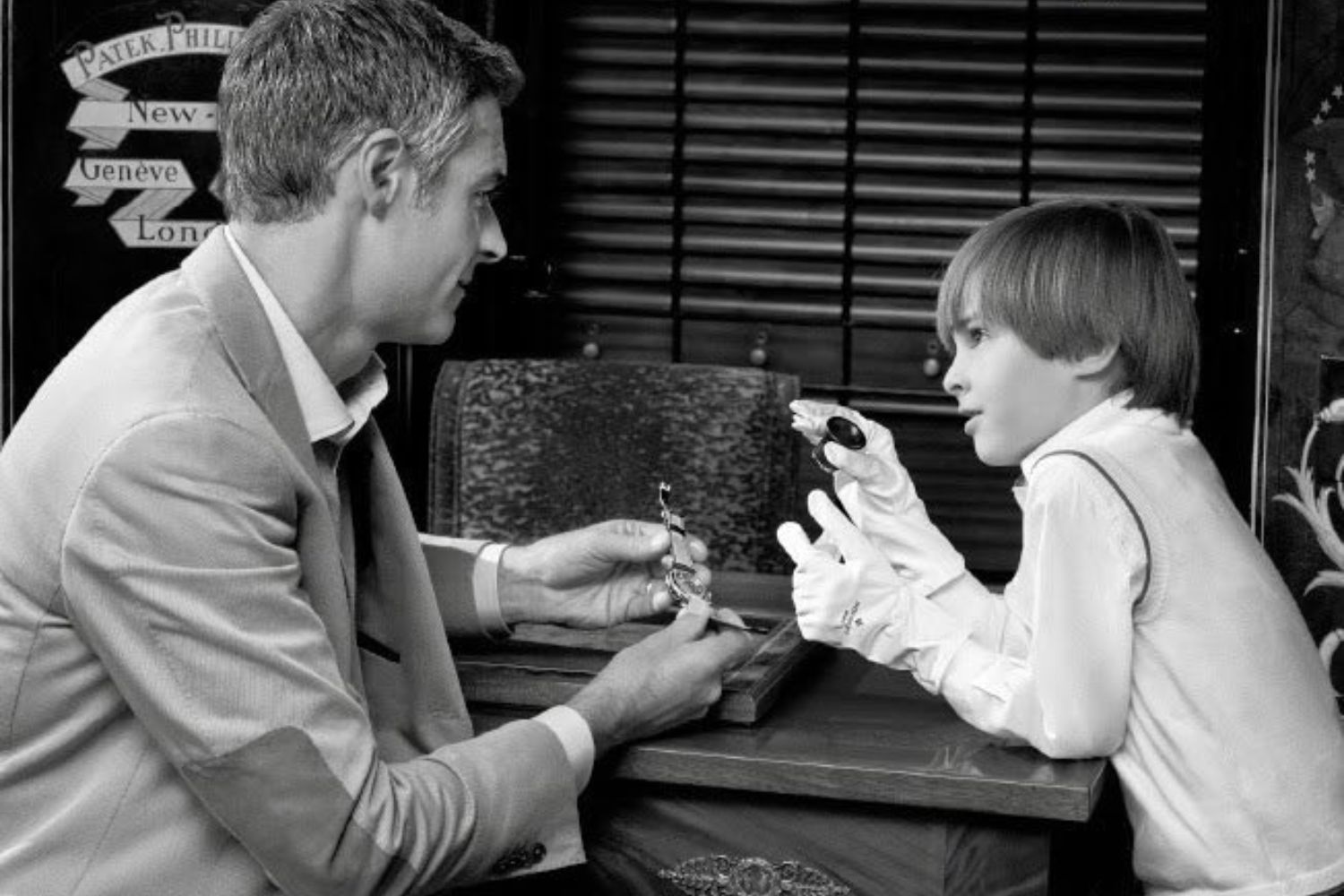
Collectors often refer to Patek Philippe as the “grail” of watchmaking, and part of its charm lies in its deliberate scarcity – approximately 60,000 new watches are produced annually. With only a fraction of production in comparison to other mass-market Swiss brands, each timepiece is ensured to meet its extremely high quality standards.
This limited production also creates demand that far exceeds its supply. Its reputation for outliving its owners, synchronously creating a symbol of legacy, is the reason why Patek Philippe watches frequently achieve record-breaking prices at auctions.
Today’s watchmaking legacy
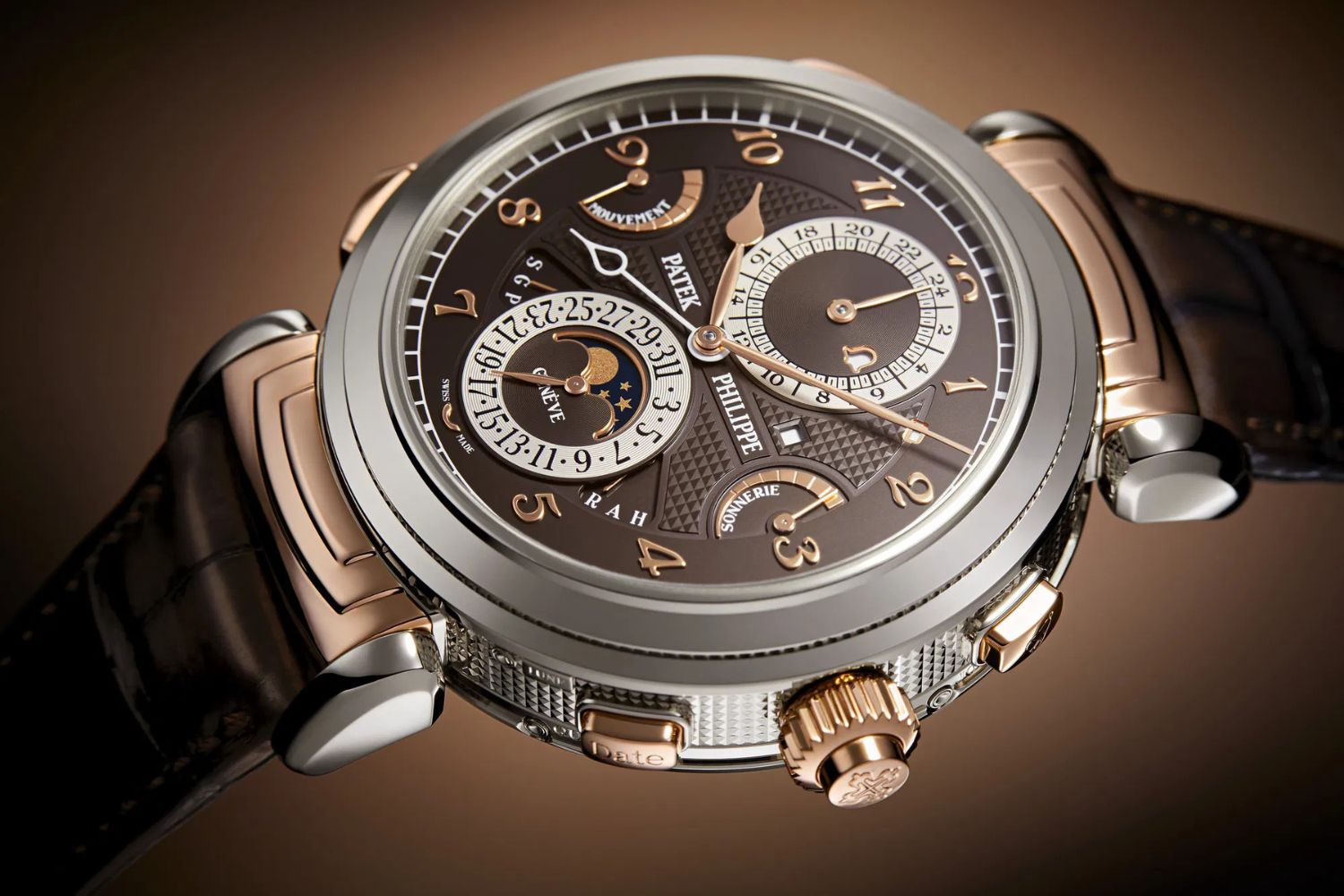
Whether it is introducing modern innovations or reinterpreting its cult classics, Patek Philippe does not stray from its precise craftsmanship philosophy. It stays true to its mission in creating enduring mechanical art.
The maison’s origin serves as a reminder that vision, invention, and an unrelenting dedication to artistry are the foundations of excellence. From its inception in Geneva in the 19th century to its current position as one of horology’s most revered houses, the brand has forged a distinct route that few, if any, can match.
Head here for more watch reads.