




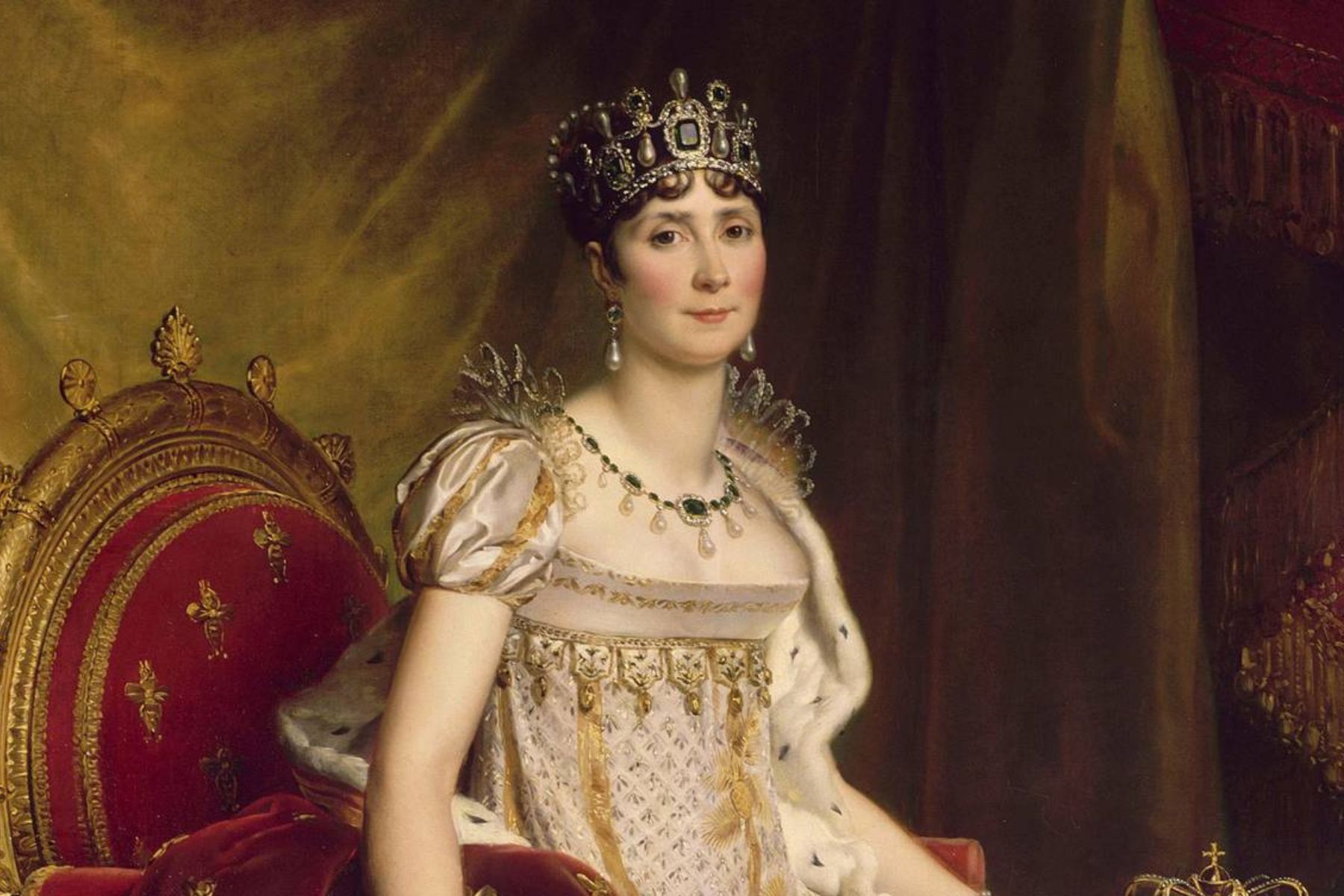





Chaumet’s story began in 1780, founded by a talented Marie-Étienne Nitot when the maison was not even known as ‘Chaumet’ – the name change happened later in 1885 under Joseph Chaumet. But Nitot did make exceptional tiaras, amongst other beautiful jewellery pieces, and little did he know, the opulent headpiece would become synonymous with the brand. It was also the piece that instantly charmed Joséphine Bonaparte, Napoleon’s first wife and thus, the Empress of the French.
The one encounter quickly earned Nitot’s role as the Imperial Court’s jeweller, and more importantly, Empress Joséphine’s official jeweller. He soon became Europe’s most sought-after jeweller under the influence of the latter. After all, Joséphine not only helped shape France’s history but rewrote fashion and hair trends at the time.
A self-made icon with a free-spirited nature who defied convention, she tossed out tight corsets, huge pannier skirts and elaborate coiffures. Instead, Joséphine dressed in airy veils, vaporous tulles, and diaphanous muslins – and kept her hair short. Her choice of fluid dresses gave birth to the empire dress silhouettes of today. She made handbags popular since, prior to these tubular dresses, women used tie-on pockets or bags hidden in their petticoats.
To enhance her royal appearance, Joséphine revived tiaras, which are emblems of strength and brilliant femininity. She wore one for her coronation in 1804, and it soon transformed into a status symbol for young brides and women at social events.
It was evident that whatever Joséphine wore, women in Paris and beyond would soon follow suit – a perfect muse for the atelier. Ahead, we unfold how Chaumet came to be intertwined with Joséphine, how her allure matches the maison’s vision and why each Chaumet collection evokes a distinctive part of her character.
The love story
There’s no love story quite like Joséphine and Napoleon. The Emperor of France was absolutely besotted with her and often indulged his wife’s love for jewellery and rare gems. In 1805, the couple was preparing to be crowned king and queen of Italy. François‑Regnault Nitot, the son of the maison’s founder, visited them to present a stunning tiara commissioned by Napoleon for the Pope. The fantastic craftsmanship left the empress so enchanted that it was “at that moment, Monsieur Nitot became jeweller to the Empress,” so goes the tale from Joséphine’s first chambermaid, Mademoiselle Avrillon.
Be it ceremonial jewels or everyday jewellery, Joséphine frequently turned to Nitot. Each piece reinforced her imperial presence with refined symbolism and craftsmanship. At the heart of her regal image were tiaras that became synonymous with her identity, often crafted in gold and set with diamonds. They also featured openwork designs that mimicked natural forms like laurel wreaths, wheat sheaves, and blooming florals. These motifs symbolised victory, prosperity, and renewal, aligning with Joséphine’s image as both empress and muse.
Cameos and intaglios, frequently carved from materials like malachite, onyx, and agate, added a neoclassical dimension to her jewellery. Featuring profiles, mythological figures, or imperial insignia, these elements drew from ancient Roman aesthetics. It reinforced Napoleon’s vision of empire while elevating Joséphine as its living emblem. Together, these pieces formed a cohesive visual language – softness with authority and ornamentation with meaning.
How Empress Joséphine became Chaumet’s enduring muse
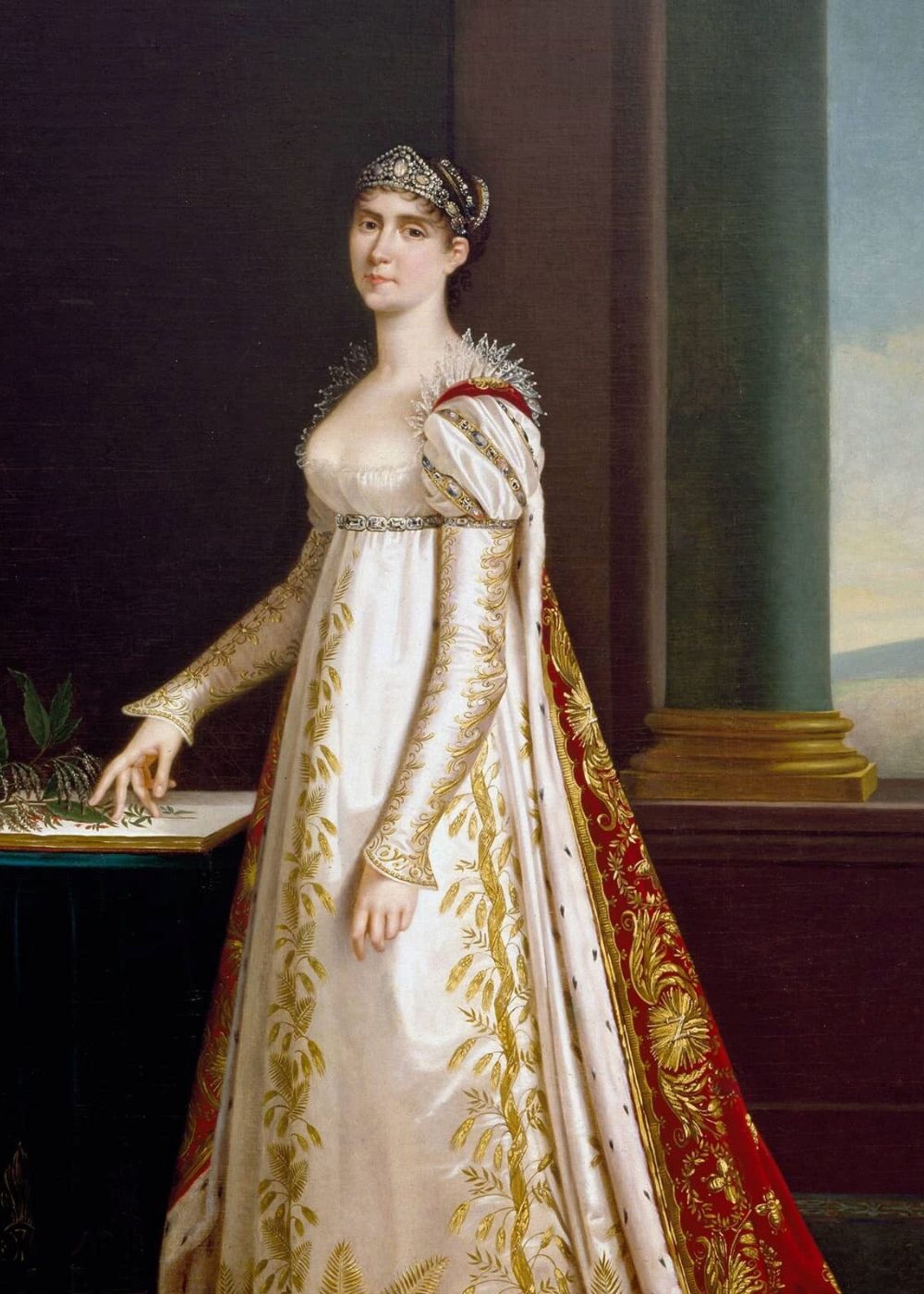
In 1977, charmed by Joséphine and Napoleon’s love story, the jewellery house unveiled the iconic Liens collection. The highly symbolic links motif celebrates the bond between two people and their destinies. It remains a popular reinterpretation of sentimental jewellery.
Fast forward to 2010, the maison created two new signature collections in the wake of the Liens collection. The first to debut was the Chaumet Joséphine collection, exclusively named after its first great client and muse. It consists of jewellery, watches, high jewellery, and tiaras. Every piece reflects the kaleidoscopic personality of the Empress – her romance, her taste for fashion, and her empire. The emblematic feature of the collection is pear-cut diamonds, as well as other motifs she loved, which have since evolved into multiple lines over time. Chaumet soon followed up with the Bee de Chaumet collection, featuring a honeycomb motif that echoes the Empress’s love for botany.
Even after more than two centuries, the Empress remains the house’s inspirational muse. With the free spirit of the woman of yesteryear, the tradition of meaningful jewellery never ceases to inspire Chaumet.
Find other Eternal Icons here and immerse in the world of jewellery here.