




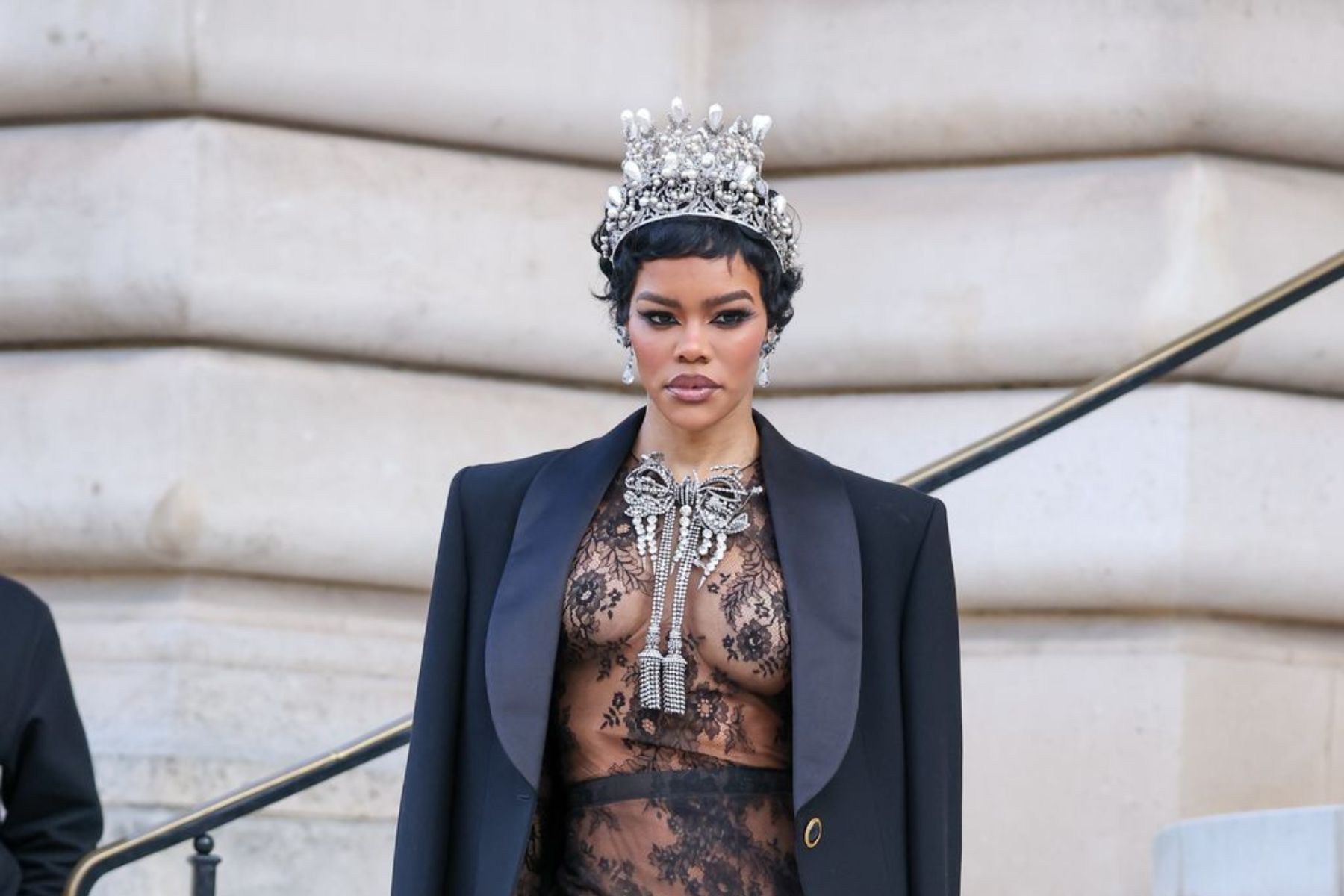





There is a trend that has been consistently resurging across multiple respected designers’ collections for the past few seasons, including Dries Van Noten and Valentino. This same trend also dominated the red carpet at the recent Golden Globes – and soon, it will take over cities from London to Kuala Lumpur. The trend we are talking about is none other than tassels.
No longer confined to interiors or traditional adornment, tassels are now reimagined across modern fashion. Their carefree and theatrical allure makes them one of 2026’s most captivating trends, with fluid drapes that bring movement to otherwise static forms.
In our new series, Stay or Stray, a monthly fashion report that discusses a new emerging trend, we trace the evolution of tassels through the decades, from historical to modern-day cues, before giving our verdict on whether the trend is here to stay or destined to stray.
Tassels through the years
A tassel is defined as a tuft of loose-hanging threads, knotted on one end and usually made as an accessory. There is a popular saying about tassels: “If there is one embellishment that has appeared in every form of the decorative arts – from interiors to accessories, across cultures and times – it is undoubtedly the tassel.” This adornment acts as more than mere decoration; it has long carried a rich history and serves various purposes across cultures. It was a form of lavish accessory and amulet during Ancient Egypt and a primary decorative trimming for interiors such as curtains during the Renaissance.
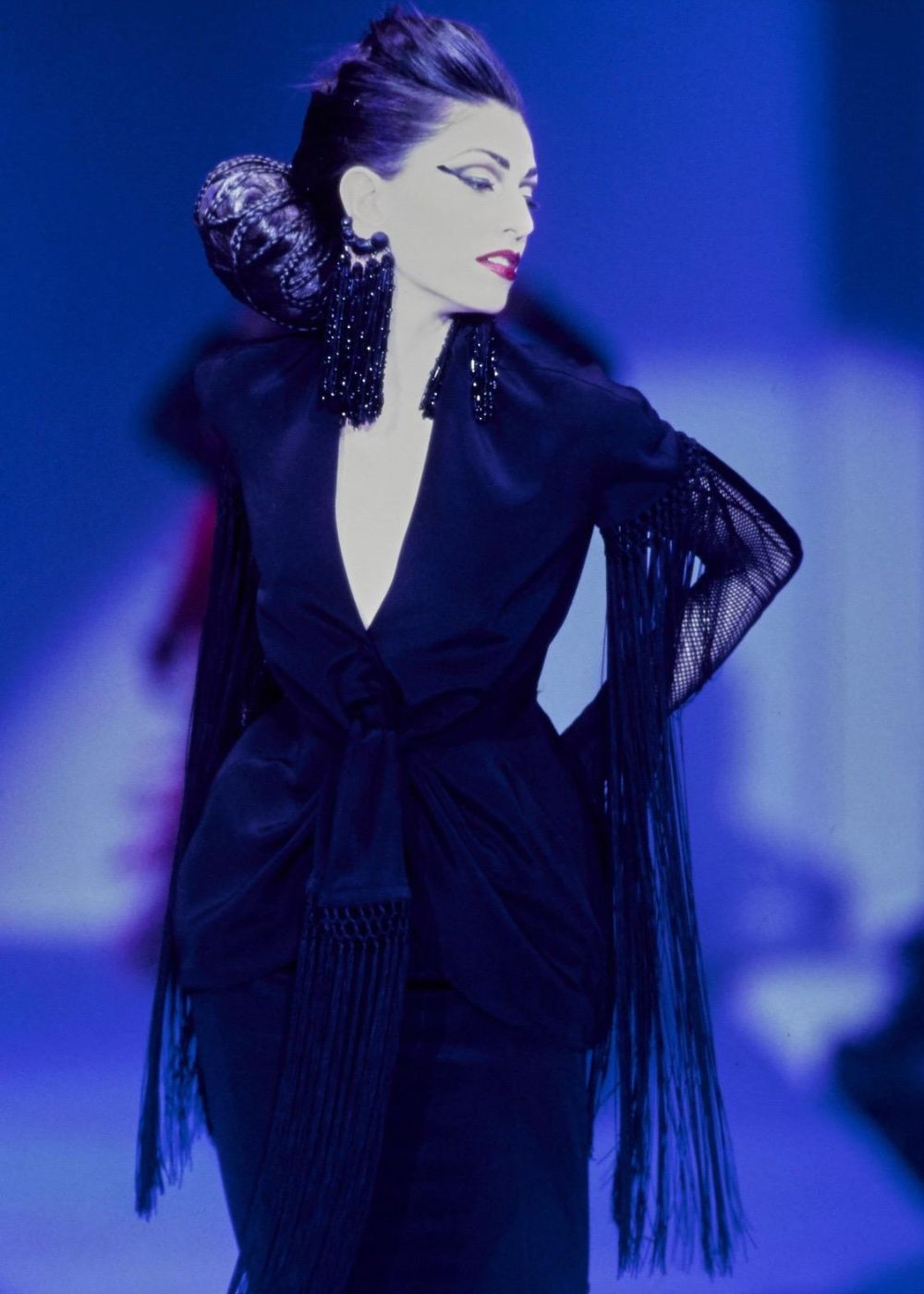
In fashion, the tassel trend has come and gone across centuries. Chanel famously introduced a tassel necklace known as the Chanel Sautoir in the 1920s. The piece was intentionally long, up to 30 inches, and designed to drape around the neck or cascade down one’s back. However, it wasn’t until Thierry Mugler’s Spring/Summer 1997 show that tassels appeared prominently on the runway. The radical designer reimagined tassels in a myriad of different ways, from statement earrings to shoulder trimmings.
Relevance in the era of maximalism
2026 is said to be the year for maximalism and we’re here for it. If you are looking to be more experimental with self-expression, this year is your chance. Unlike sequins, the fluid nature of tassels are perfect for the trend because they do not rely on reflection to shine. It helps inject a playful touch to your outfit without having to shout for attention – resulting in a glamorous yet effortlessly chic look.
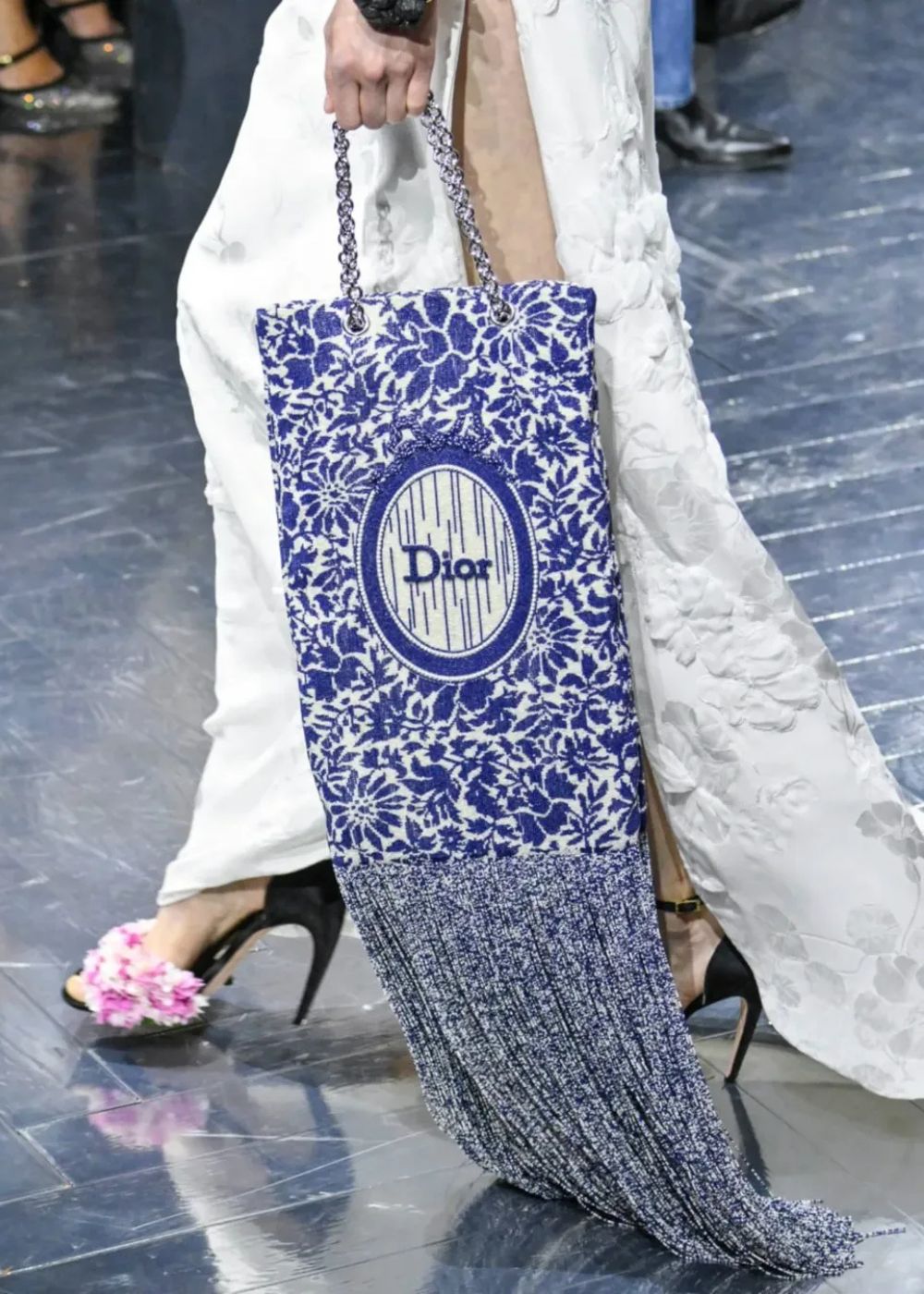
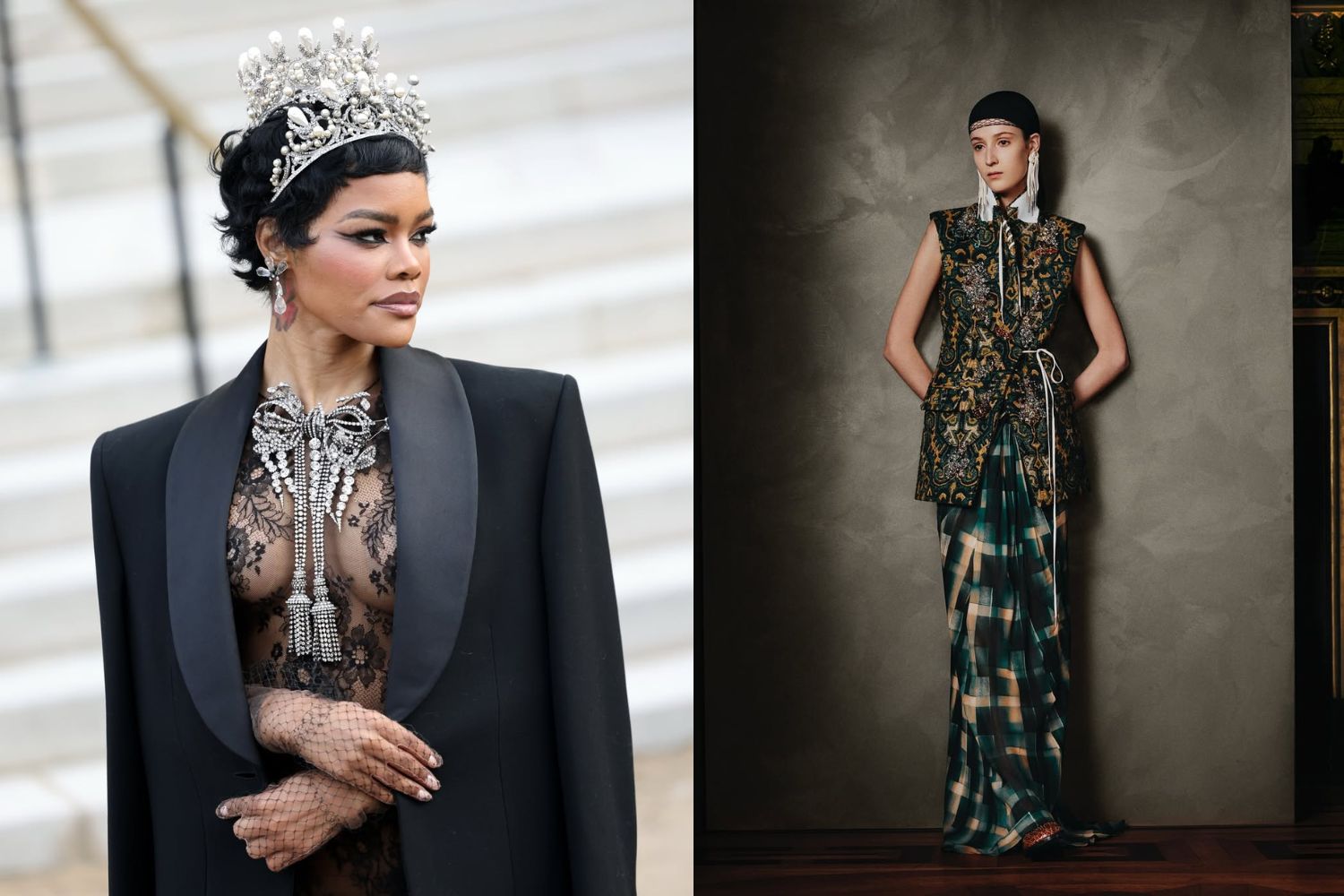
Luxury fashion houses and celebrities both signal that tassels are the next trend. It was seen consistently for the past few seasons, including the recent Dior Haute Couture Spring/Summer 2026 collection. Additionally, Chanel, Dries Van Noten, and Alaia are among the brands that have also embraced the trend.
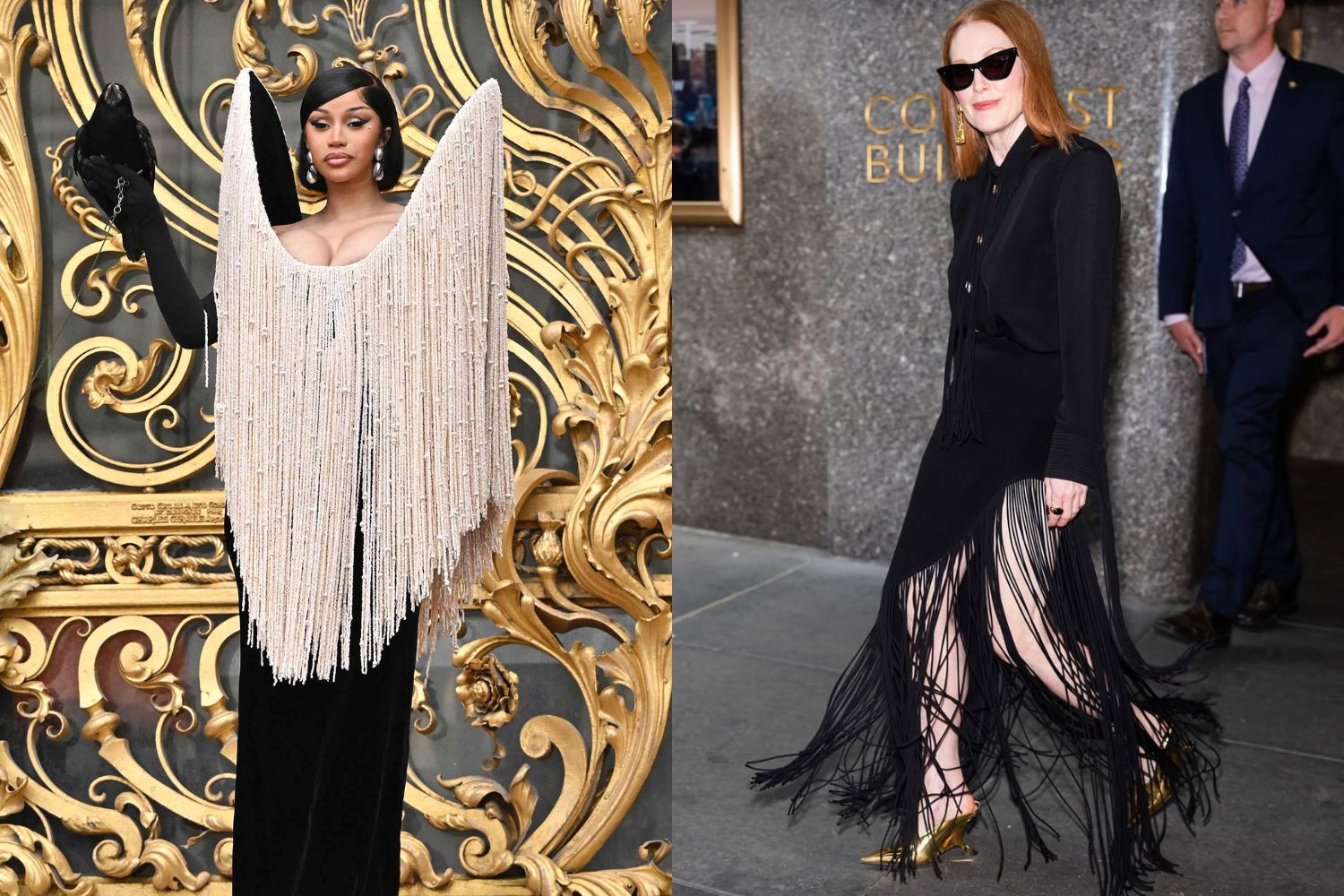
Meanwhile, celebrities at the recent Golden Globes also adorned themselves with gowns featuring tassels, including Jenna Ortega and Lisa Manobal. Jenna Ortega wore a black dress by Dilara Findikoglu, with tasseled shoulders that brought an extra dramatic flair. On the other hand, Lisa’s sheer black dress by Jacquemus ended with tassels down its sleeves, adding flow to her draped number.
How designers are using tassels
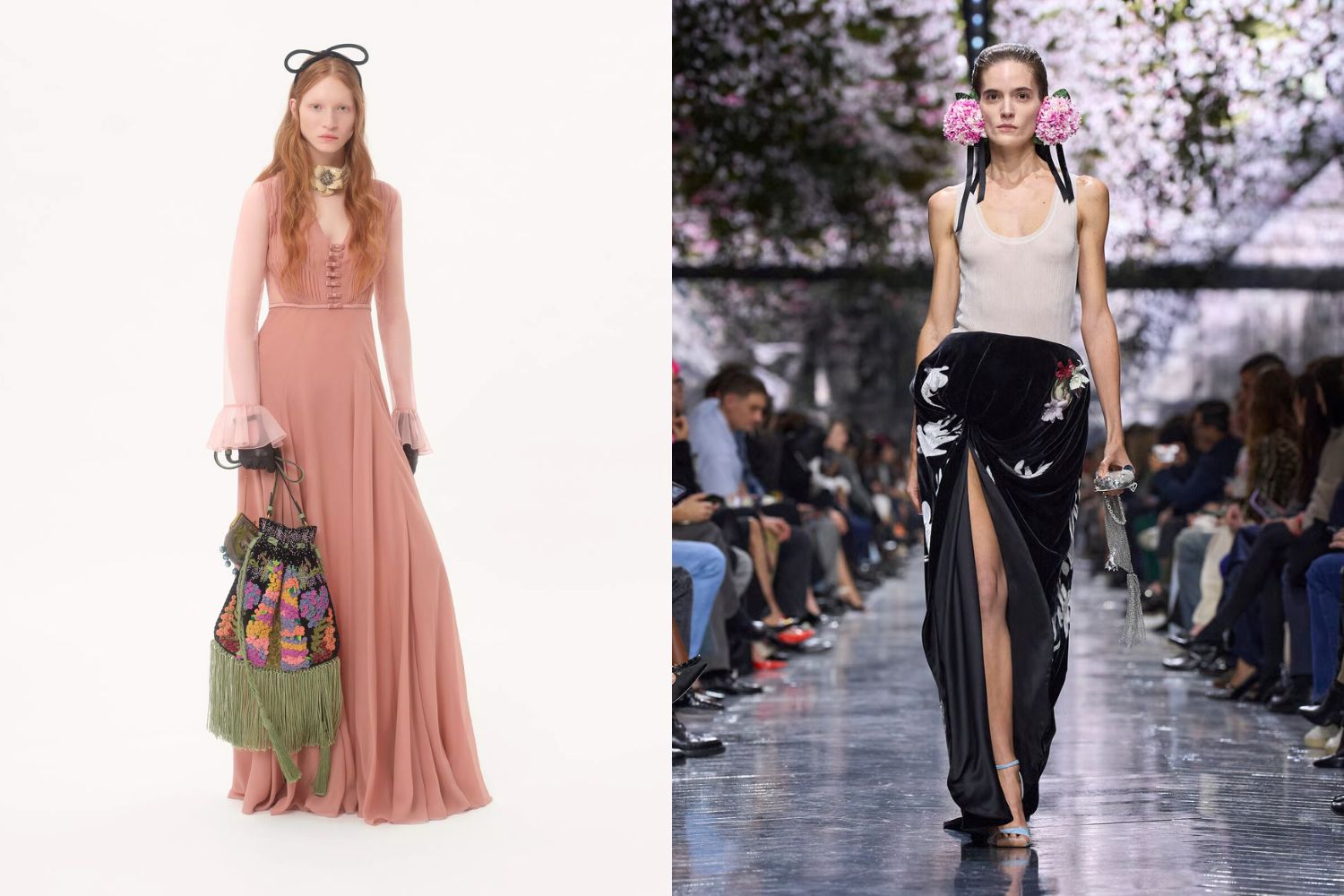
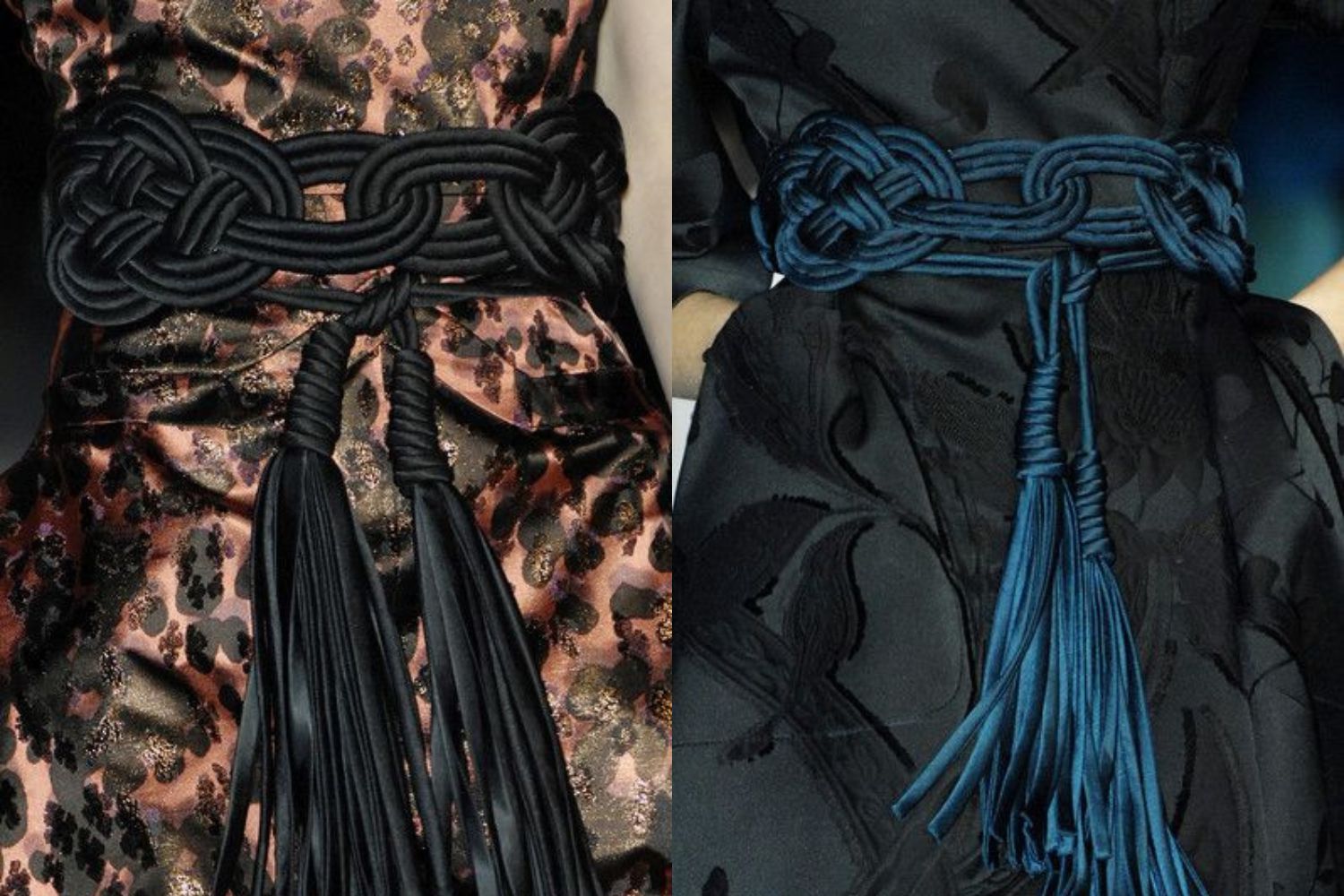
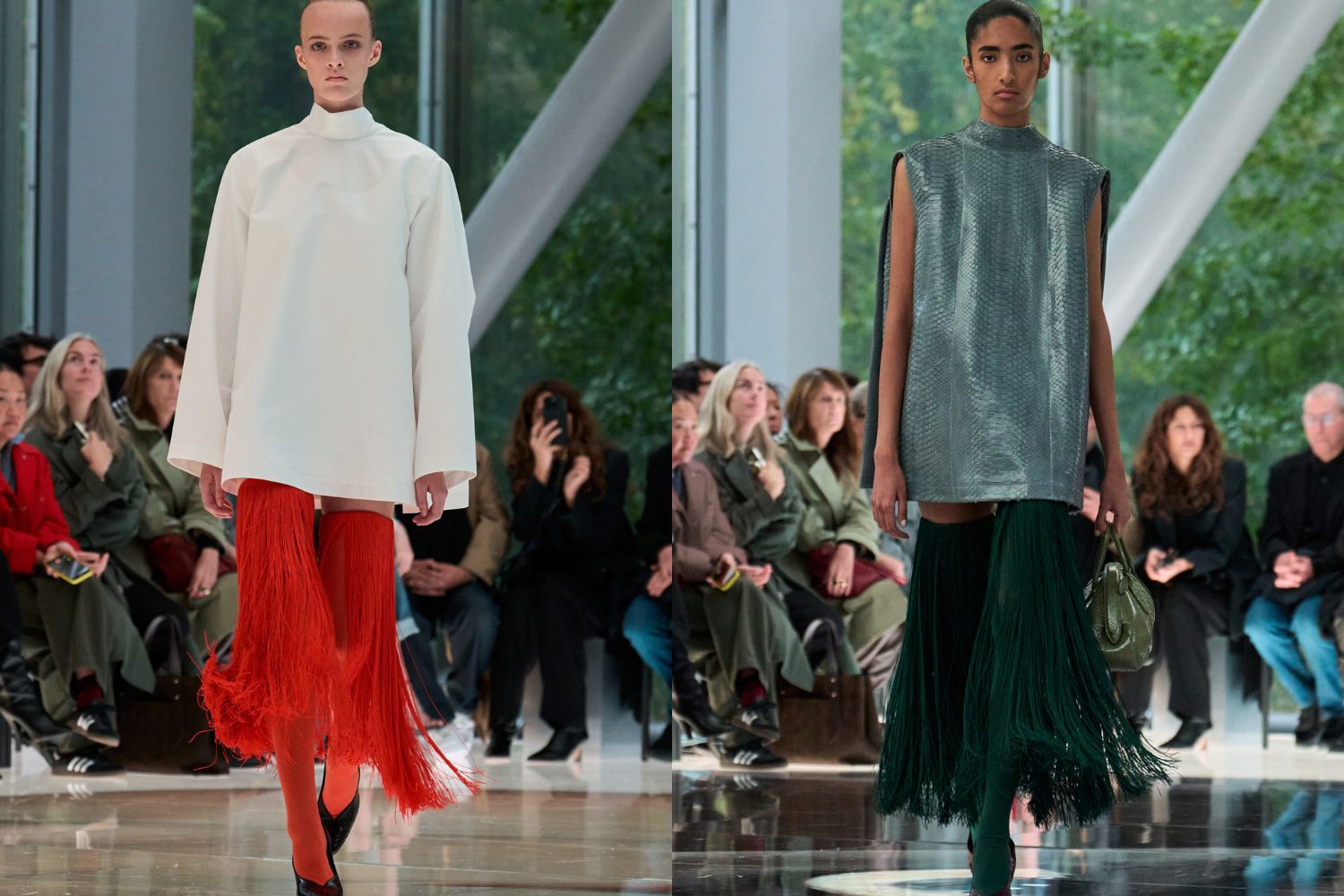
Tassels are one of the most versatile design elements, seamlessly integrated into clothes and accessories. From subtle accents to statement details, here’s how designers have reimagined tassels in different, intentional ways across their collections.
Bags
Belt
Trims on clothes
Heels
Jewellery
Final verdict
All signs point to tassels emerging as the next It-girl trend. Their spirited movement offers an effortless finishing touch to even the simplest of looks. We’re calling it: tassels are here to Stay.
Keep up with fashion news and insights here.