









Using expired skincare or makeup isn’t just a bad habit – it could be sabotaging your glow. Over time, even well-stored products can lose effectiveness, change texture, or harbour bacteria, making your beauty routine less safe and equally less effective.
Understanding skincare and makeup shelf life is key to knowing what to keep, what to toss, and when it’s time to refresh your beauty cabinet. From eye creams to lipstick, every product has a timeline, and being mindful of it can save your skin and your wallet.
In this guide, we break down the lifespan of common skincare and makeup products, share tips on how to store them properly, and highlight the signs that it’s time to replace them. Consider this your sign to go through your beauty stash.
Why shelf life deserves more attention
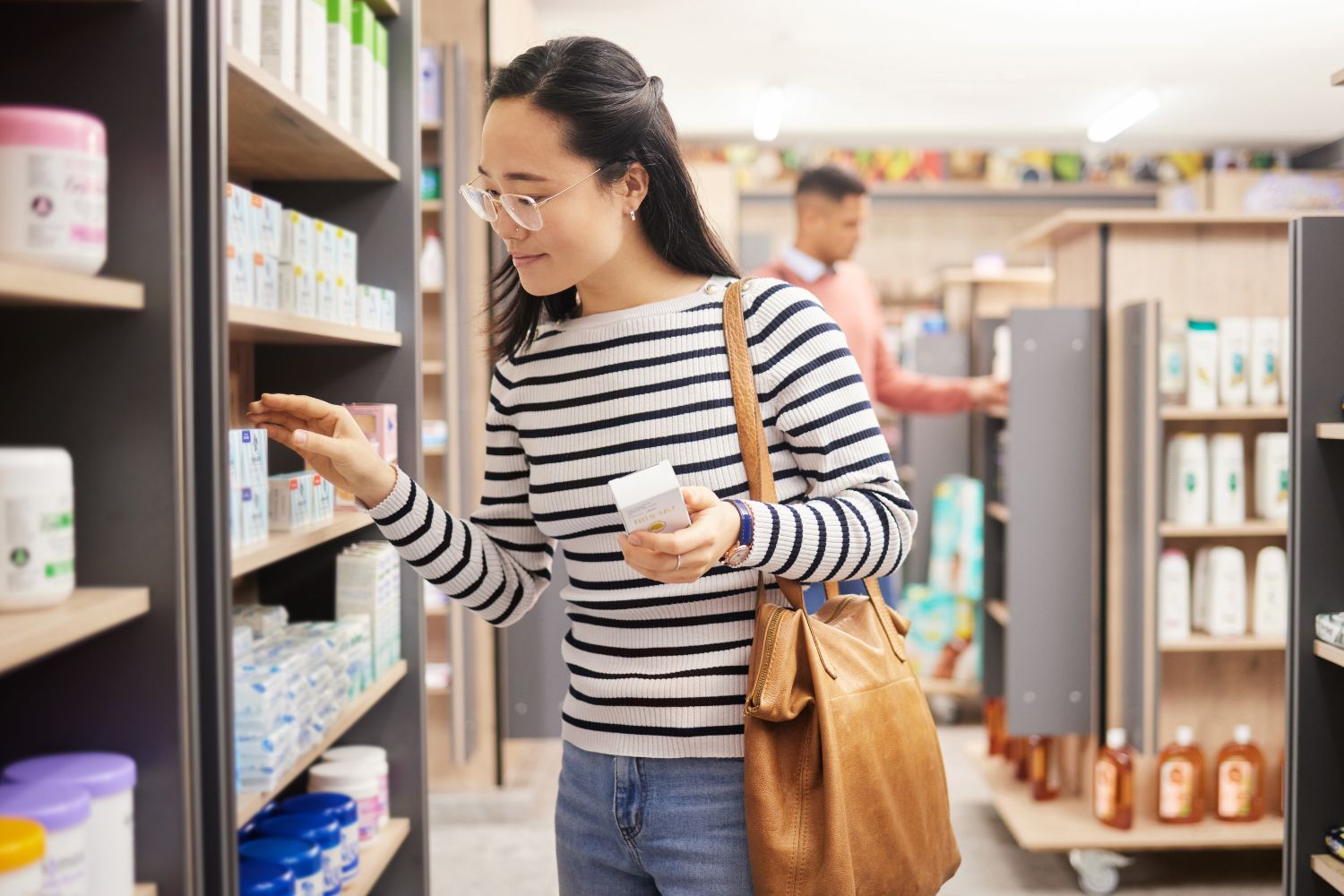
Beauty products are often treated as static – something you buy, use, and forget about until the bottle is empty. In reality, every skincare and makeup formula is constantly changing from the moment it’s opened.
Exposure to air, light, heat, and bacteria gradually alters both performance and safety, even when a product still looks perfectly usable. This is why understanding the shelf life of your skincare and makeup products matters as much as choosing the right products in the first place.
Expired products don’t always cause immediate reactions, which is precisely why they’re easy to overlook. Instead, they tend to quietly undermine results.
A serum may no longer deliver the brightening or smoothing effect it once did, while an old foundation might sit unevenly on the skin or contribute to congestion. Shelf life isn’t about arbitrary timelines – it’s about effectiveness, comfort, and protecting the skin’s balance over time.
Skincare shelf life guide
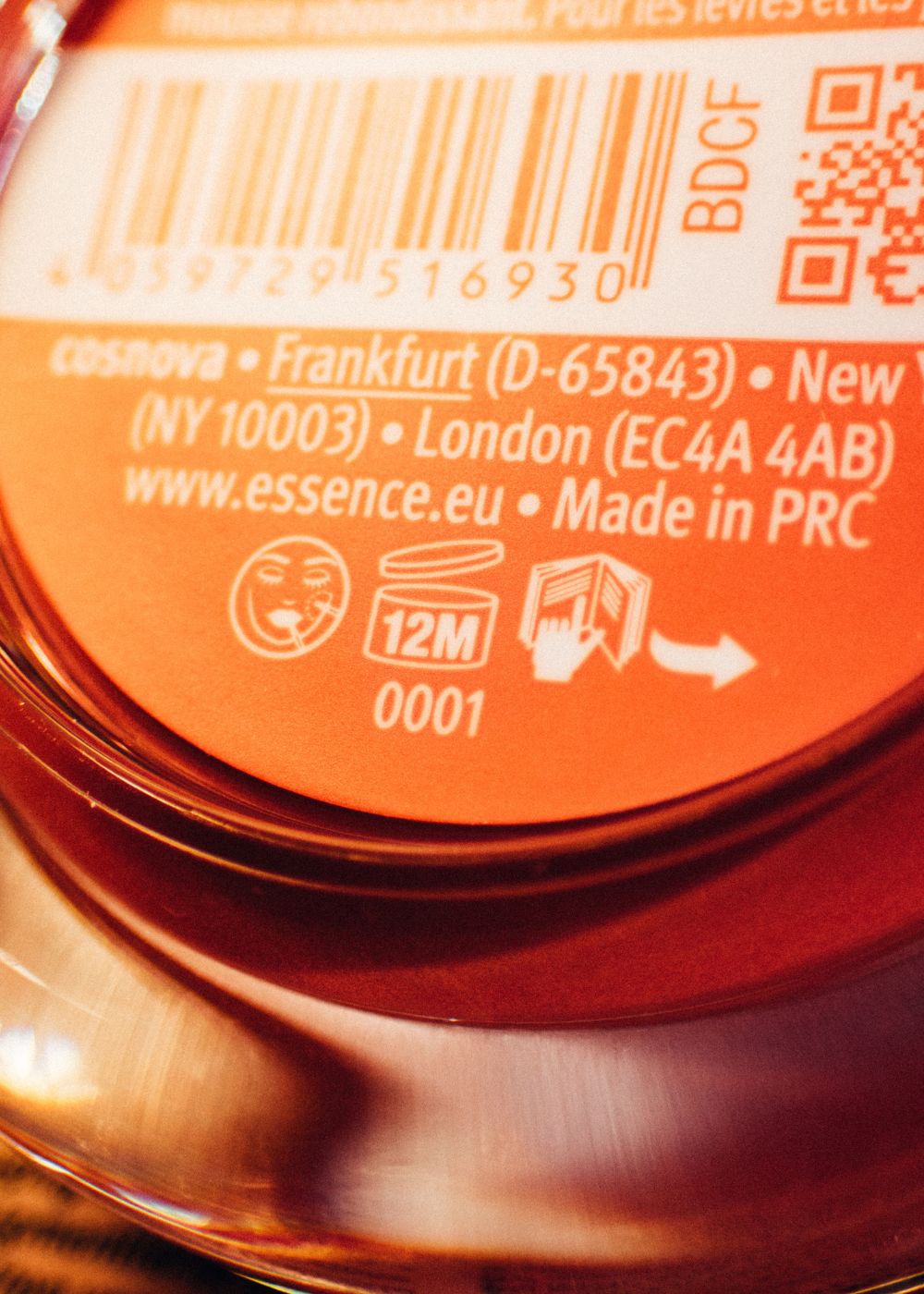
Skincare products are formulated to be effective within a specific window, particularly those containing active ingredients. While many products display a “period after opening” symbol, few consumers check it consistently. Understanding general timelines makes it easier to assess what’s still safe and effective.
Skincare with potent actives tends to degrade the fastest, which means that even if they don’t irritate the skin, they may no longer deliver visible benefits. Using a weakened Vitamin C or retinol serum can feel like you’re maintaining a routine without actually seeing results, making shelf life just as important as ingredient choice. Here’s a general guide to skincare shelf life after opening the product(s):
– Cleansers: 6 – 12 months
– Toners and essences: 6 – 12 months
– Serums with active ingredients (Vitamin C, retinol, exfoliating acids): 3 – 6 months
– Moisturisers and eye creams: 6 – 12 months
– Sunscreen: Up to 6 months
Makeup shelf life guide
Unlike skincare, makeup is often reapplied throughout the day, shared between products, and repeatedly exposed to skin oils and environmental bacteria. Over time, this can increase the risk of irritation and breakouts, even if the product looks unchanged.
Products around the eyes are especially time-sensitive. Mascara and eyeliner, for example, can harbour bacteria and cause discomfort or infections if used past their shelf life. Thus, regularly changing or updating your makeup products is essential. Use the guide below as a reference for general makeup shelf life after opening:
– Mascara and liquid eyeliner: 3 months
– Liquid foundation and concealer: 6 – 12 months
– Cream blush, bronzer, and highlighter: 6 – 12 months
– Powder products: Up to 24 months
– Lipstick and lip gloss: 12 – 18 months
Storage tips and signs it’s time to replace
Proper storage helps your skincare and makeup stay effective and safe for as long as possible. Remember to always close lids tightly, avoid dipping fingers directly into jars, and use clean tools or applicators to reduce contamination. Keep them in a cool, dry place away from direct sunlight and avoid storing them in bathrooms as the heat, humidity, and temperature fluctuations would accelerate breakdown.
Additionally, many people assume expired products show obvious signs, but changes are often subtle. Preservatives weaken, emulsions separate, and active ingredients gradually lose potency. Cream and liquid formulas are particularly prone to bacterial growth with repeated use, even when stored carefully.
Learning to read these quiet signs – slight changes in texture, scent, or performance – can help prevent irritation and ensure your routine continues to work as intended. These are the signs to look out for if it’s time to replace a product:
– Texture changes: creams separating, serums thinning, powders clumping
– Off or unusual smells: sour, rancid, or chemically different scents
– Colour changes: fading, darkening, or unexpected discolouration
– Reduced performance: moisturisers feeling less hydrating, foundations applying unevenly, actives losing effect
– Irritation or breakouts: skin reacting differently even if the product seems fine
Refreshing your beauty cabinet isn’t about tossing everything at once – it’s about being intentional. Checking dates, reassessing what you actually use, and letting go of products past their prime creates space for a routine that truly works for your skin.
When your products are within their optimal lifespan, they perform as intended, keeping your routine simple, reliable, and tailored to your current needs. When in doubt, remember that it’s always better to replace a product than risk irritation or breakouts.
Discover the latest in beauty and grooming here.