




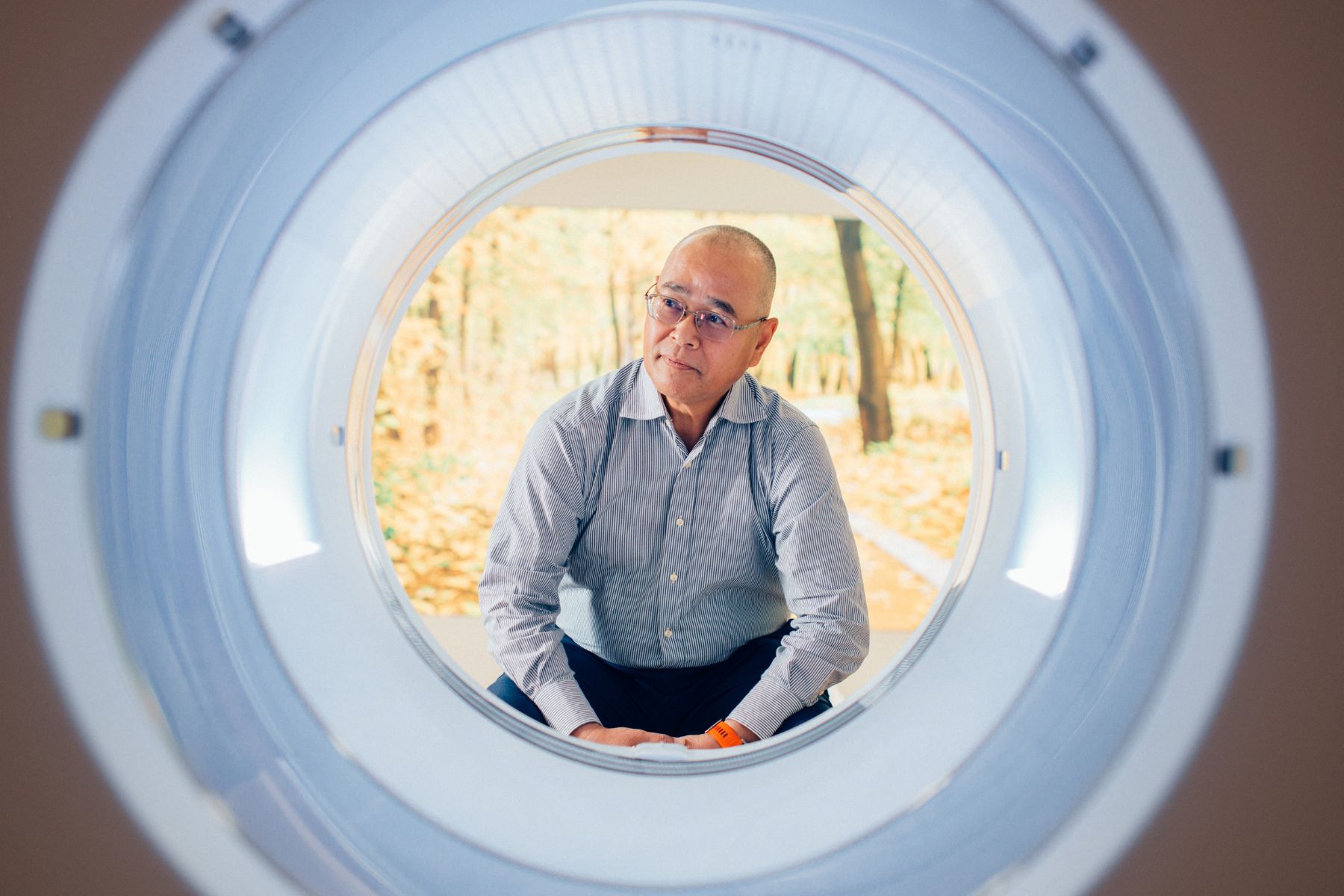

But beyond the title, the years of experience, and the white coat is a man with his own story – one shaped by where he grew up, the experiences that led him to oncology, and the life he has built along the way.
Finding his way to oncology
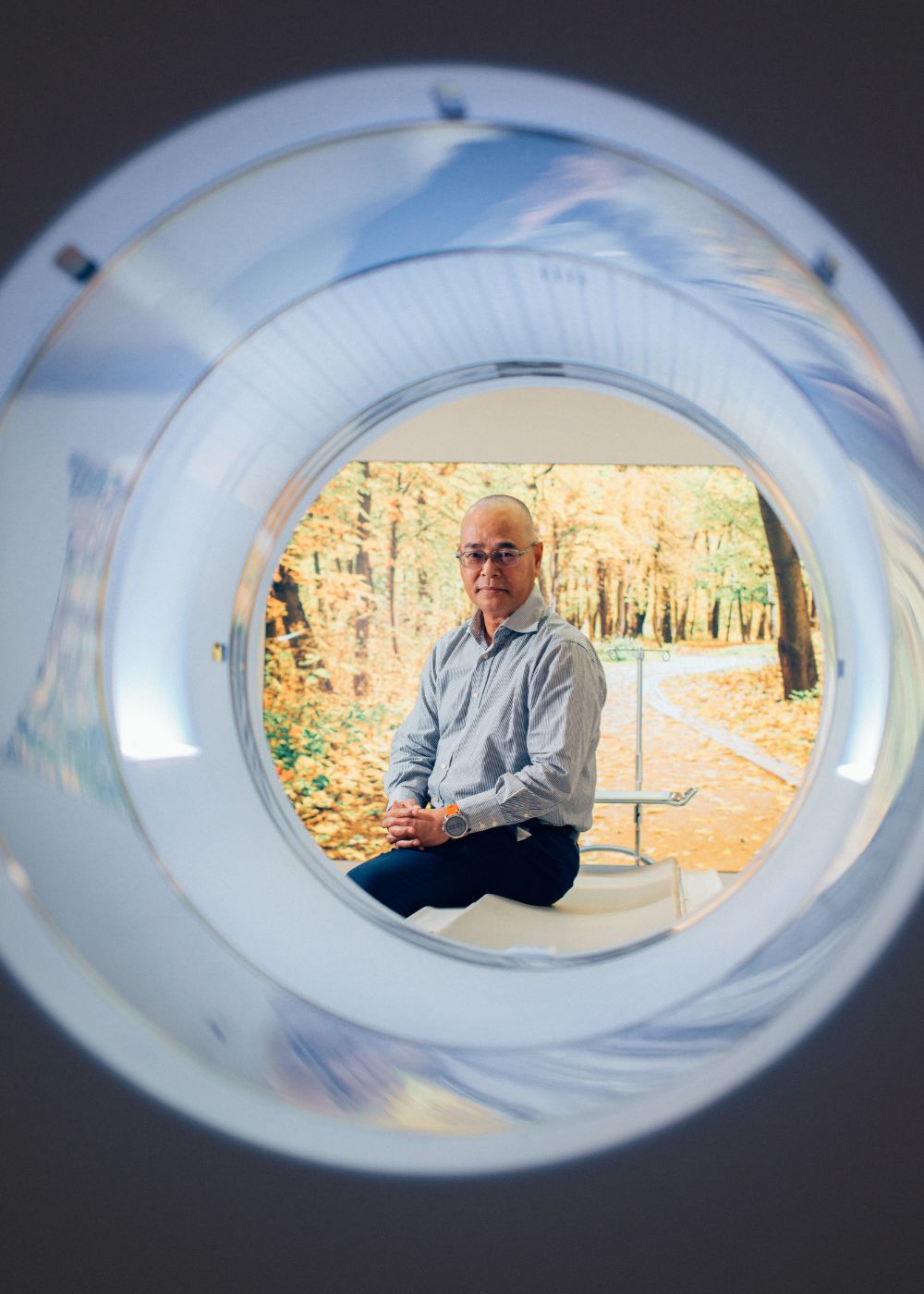
His journey began in Bau, a small town in Sarawak where there was only one GP clinic. As a young boy, Dr Matin remembers being drawn to the doctor who ran it, although his first impression had little to do with medicine.
“He was probably the most well-dressed person in town. And he drove a nice car,” he recalls with a laugh. “So I thought, yeah, not a bad job to have.” That early observation was enough to plant the idea of becoming a doctor.
After entering medical school, he explored several specialties, including obstetrics and gynaecology, medicine and cardiology. Unfortunately, a particularly difficult experience during his obstetrics and gynaecology training pushed him to consider other paths.
Then came his father’s cancer diagnosis. Watching his father go through treatment gave oncology a deeply personal dimension. He saw first-hand how difficult the experience could be, while also recognising the difference a knowledgeable and empathetic doctor could make.
That became the turning point. More than two decades later, the decision has led to a career dedicated to cancer care, including his time as President of the Malaysian Oncological Society. It is also a career that has required him to keep learning as the field itself continues to evolve.
Constantly evolving and learning
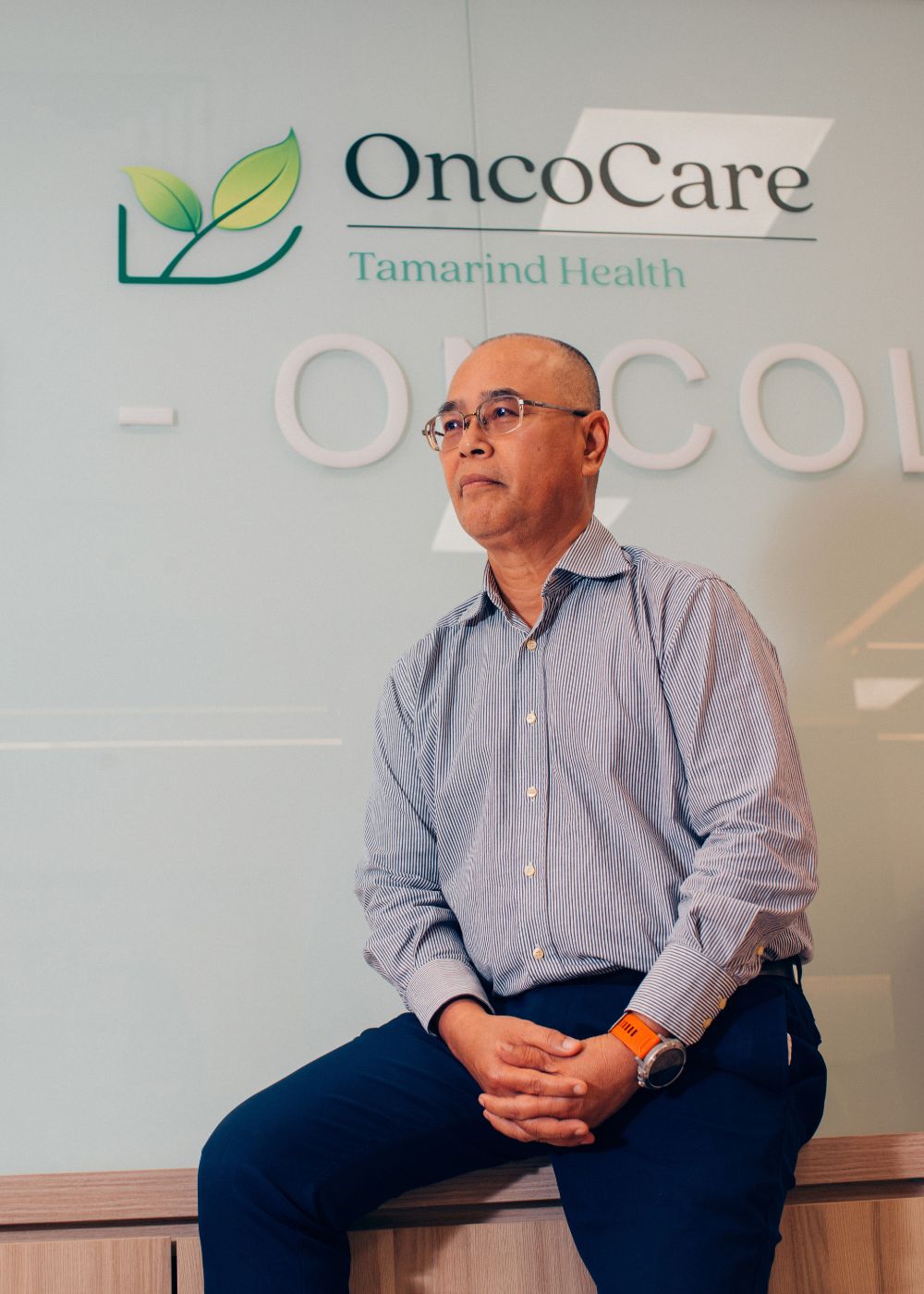
“Oncology is one field out of most of medicine, which is evolving all the time,” he says. Advances in pathology, molecular diagnostics, and targeted treatments have transformed the way certain cancers are understood and treated. Patients with advanced disease who once faced very limited options can now benefit from therapies tailored to specific molecular characteristics of their cancer.
That progress is part of what continues to fascinate him about the specialty. The pace of change also means that no oncologist can work in isolation. At Thomson Hospital Kota Damansara‘s OncoCare, multidisciplinary discussions allow doctors to bring together their individual experiences when considering complex cases, particularly when a patient has progressed on treatment.
“My experience might be different from my fellow colleagues here at OncoCare, so we pull our experiences together and see what’s best for that patient.” For Dr Matin, staying current is ultimately part of the responsibility he owes to the people sitting across from him.
“You owe it to the patients by being as up to date as possible, as knowledgeable as possible, as empathetic as possible, to make their journey as smooth as possible, if there’s such a thing.”
Life beyond the white coat
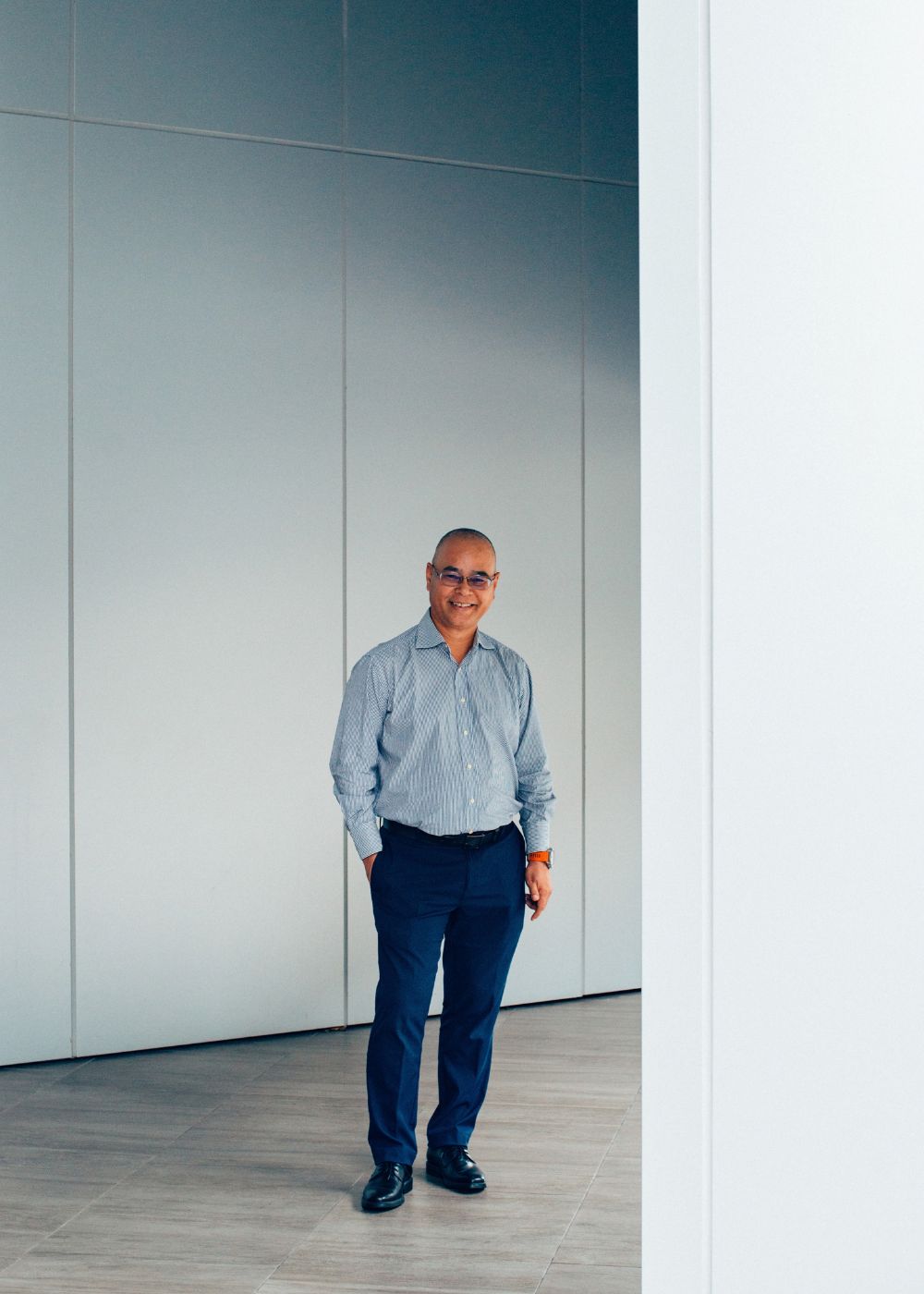
Away from oncology, Dr Matin’s life is considerably less clinical. Family remains a major part of it. “I’ve got two granddaughters,” he says. “So, when I go home, first thing I’ll do is to look for them.”
His other great loves are golf and hiking. He often squeezes in a round of golf in the late afternoon after work, and on a good week, he might manage two or even three rounds. On weekends, he regularly heads out early with a group of friends for a hike, with Everest Base Camp already in his sights as his next challenge – although he admits his wife may not be as enthusiastic about the idea.
His ideal weekend is similarly uncomplicated. An early morning hike is followed by breakfast, some work and, eventually, time to switch off with a good TV series. His viewing choices range from action series to crime dramas, and when asked if he watches hospital-themed television, he laughs and shakes his head. “Enough of doctor,” he says.
His reaction to hospital-themed television offers a small, amusing glimpse of the man behind the professional title. Outside of the hospital, his interests are refreshingly simple – time with family, a round of golf, a weekend hike, and settling in with some TV when the day is done.
Making the most of the journey
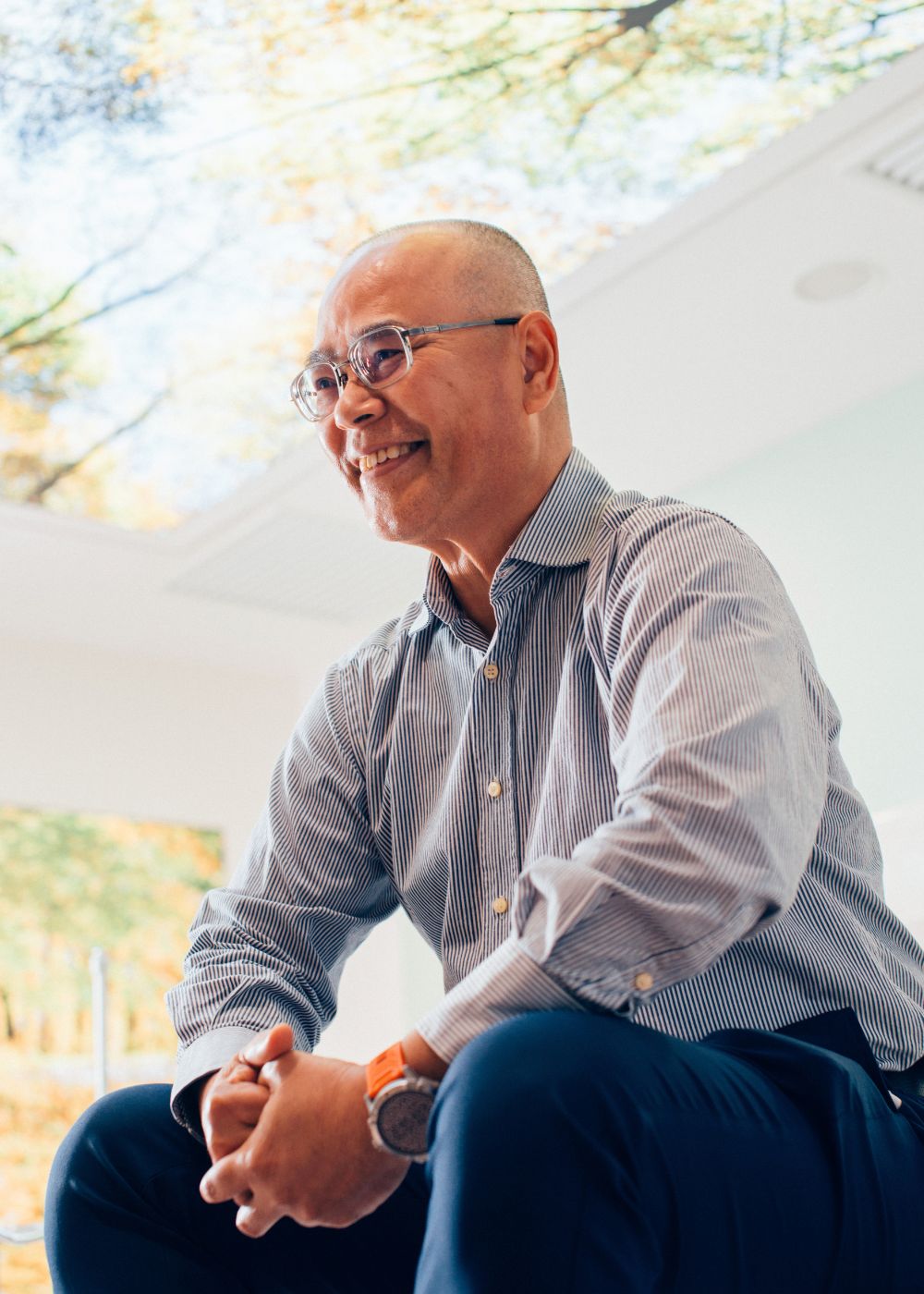
His perspective on life has been shaped most deeply by his father’s cancer journey, but years spent caring for patients have reinforced the same lesson: some things cannot be controlled, and the best response is to make the most of what can be.
“You can’t control people getting cancer. So what you can do is to make the best of the situation, to make it the best for them.”
That philosophy extends beyond his patients. Spending so much time with people confronting serious illness has made him more conscious of the importance of family and of making time count. “It tells me that life is important. So make the best out of whatever time that you’ve got with everybody.”
All in all, his career has taught him that medicine cannot control every outcome, but it can influence the experience along the way. Staying informed, making thoughtful decisions, and treating people with empathy can make a difficult journey a little easier.
And once the working day is over, there is another kind of balance to be found – on a golf course, along a hiking trail, around the breakfast table with family, or simply on the sofa with a good TV series on.
Behind the oncologist is, ultimately, a man who understands that a meaningful life is not measured only by the work you do, but by the people you make time for, the experiences you pursue, and what you choose to do with the time you have.
For more inspiring people stories, head here.
Photography by Imran Sulaiman.