




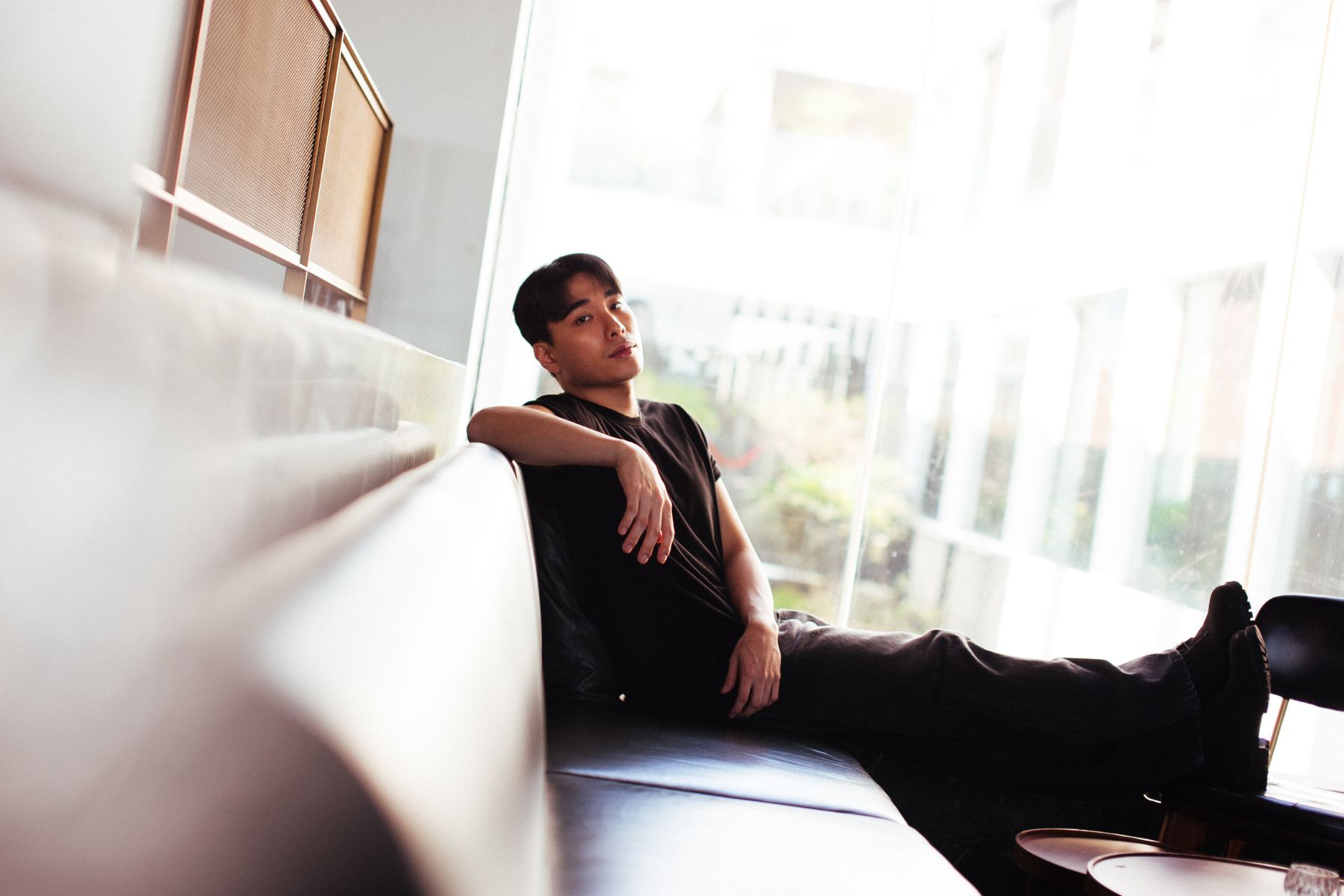




If you’re an avid Instagram or TikTok user, you may recognise Sean Solo from your feed or ‘For You’ page as the “Hongdae Guy”. The South Korean content creator shot to global fame with his viral persona – a smooth-talking archetype of Seoul nightlife that many travellers would recognise instantly. With the character’s signature leather jacket, knowing smirk, and deliberately cringey pick-up lines, Hongdae Guy has fetched millions of views in less than a year.
In real life, however, Sean is disarmingly different. Calm, charming, and soft-spoken, he chooses his words with careful introspection. “After I finished my military service, I was kind of lost,” he tells us, recalling the uncertainty that preceded his rise online.
Having grown up in Seoul and attended international school, Sean’s humour is informed by both cultural observation and instinct. His path into content creation has been shaped by trial, failure, and a willingness to experiment – qualities that continue to guide him today.
We sat down with Sean during his recent return to Malaysia to hear how Hongdae Guy came to be, what it taught him about identity and audience expectations, and why he’s increasingly focused on building something that extends beyond a single persona.
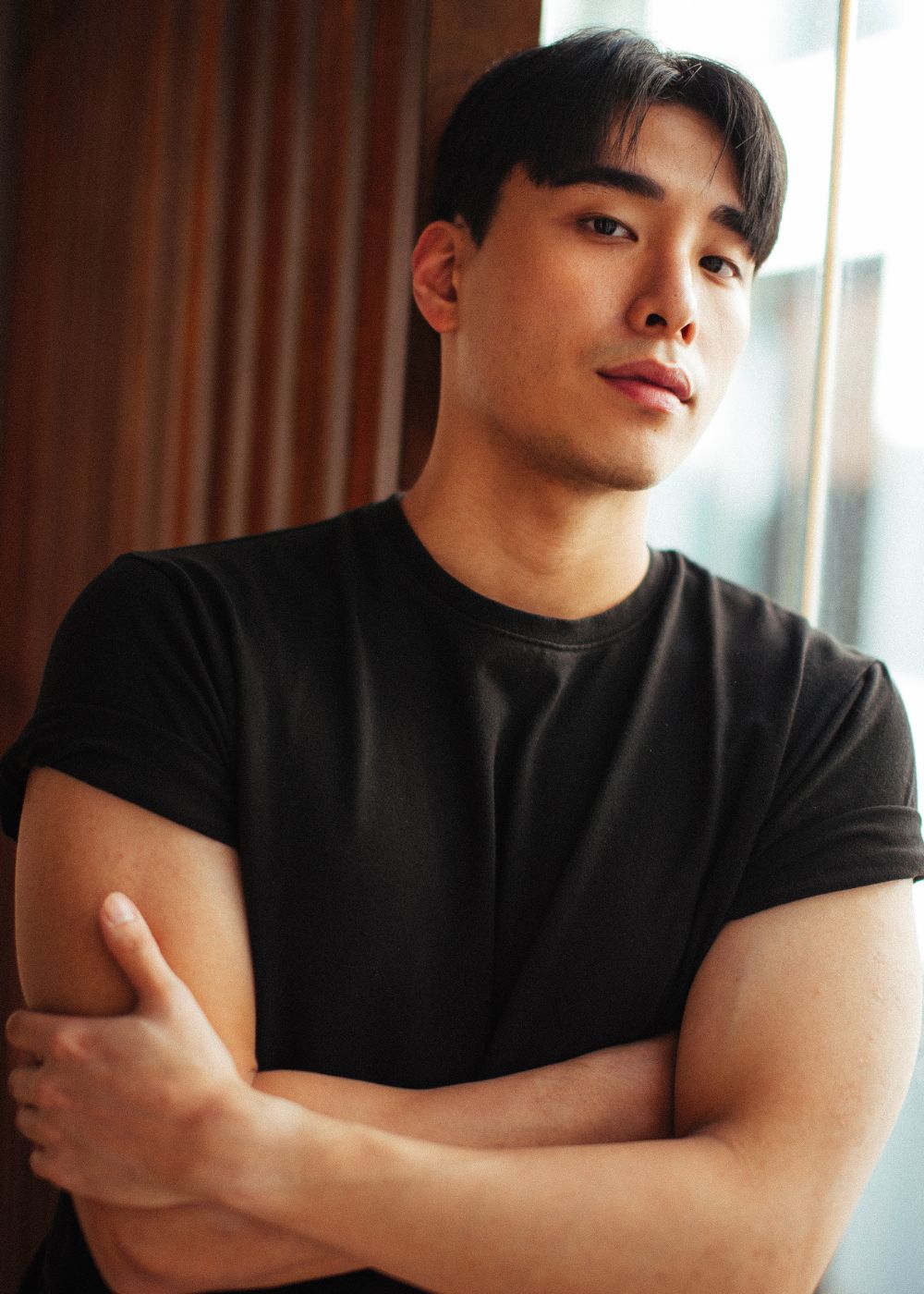
“Hongdae Guy” became instantly recognisable online. When did you come up with the idea for the character, and did you expect it to define you this way?
Sean Solo (SS): I started livestreaming on TikTok and then I moved to a different platform. After I stopped, I spent about a year trying different kinds of content, but nothing worked. It was failure after failure. I was honestly about to quit and thought maybe social media just wasn’t for me.
My brother told me, “Just go out with your friends and make something funny. What do you have to lose?” So, I went out, filmed a clip where I said, “Do you live alone?” and it blew up. That’s when we realised we were onto something.
The character itself already existed in real life – I think I was just the first person to really turn it into a persona. I’d heard enough stories to think, If I’m going to play this character, how do I make it funny without glorifying it? The name “Hongdae Guy” wasn’t even mine. My viewers gave it to me, which was honestly the funniest part. After trying so hard for so long, when something finally works, you’re just really grateful. It was beyond my expectations.
Did you ever feel boxed in by the character?
SS: At first, yes – but mostly because I assumed that was all people wanted from me. Then one Hongdae Guy video didn’t perform as well, and I thought maybe I needed to switch things up.
I have to give a huge shoutout to my brother, who told me, “You don’t have to be him all the time. You can just be Sean.” I didn’t know how to do that because every idea I had, I imagined Hongdae Guy doing it. He joked that I was a one-trick pony, and that really struck a nerve – in a good way.
Over the past few months, I’ve been posting more as myself. It was nerve-wracking at first, but the engagement was the same or even better. That’s when I realised I don’t need the character to stay relevant. Now I bring Hongdae Guy back when it feels right.
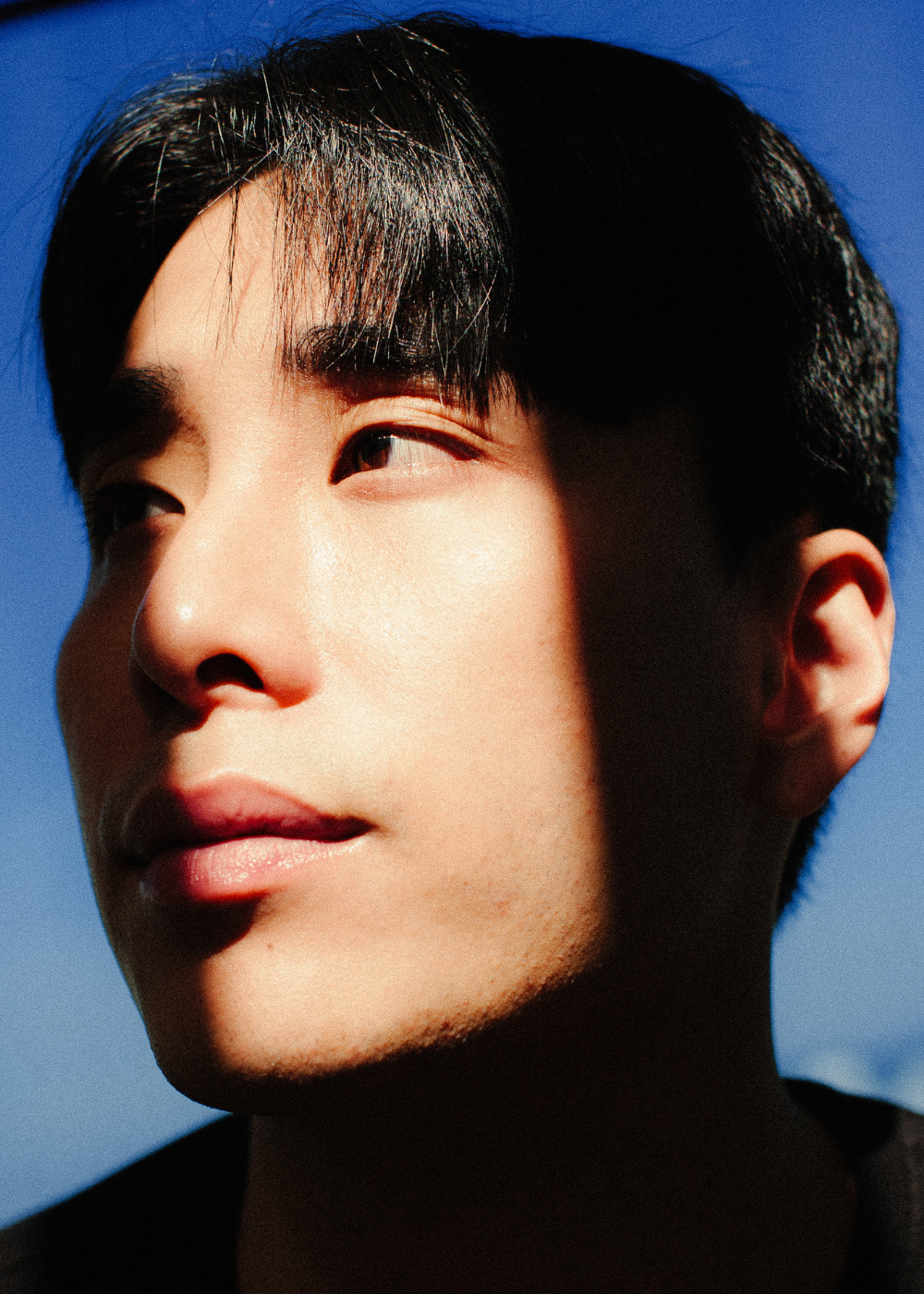
Do you need to mentally prepare to get into character, or can you switch it on instantly?
SS: At this point, I can switch pretty easily – but the jacket helps. It’s hard to do Hongdae Guy without it because it’s part of the character. Once the jacket’s on, it’s game on.
Why do you think your content resonates so strongly with audiences outside of Korea?
SS: The K-wave definitely helps – K-dramas, K-pop, all of that. But comedy itself is universal. Everyone likes to laugh.
A lot of the lines are ridiculous, but they’re also relatable. People come up to me and say, “This actually happened to me in Hongdae.” Especially travellers. Asian Americans see it as more of a prideful thing, like, it shows a different side of Asians. It’s all still surprising to me, honestly. I never expected it to reach this far.
When you portray Korean culture through comedy, what do you hope people understand beyond the jokes?
SS: First of all, it’s humour. My brother and I intentionally made a series comparing an average Korean man with Hongdae Guy because we wanted to show people they’re not the same thing, so please don’t get the wrong idea.
Not all Korean men are like that. Most of us are kind and respectful. In Asian culture especially, respect is a big thing, particularly towards elders.
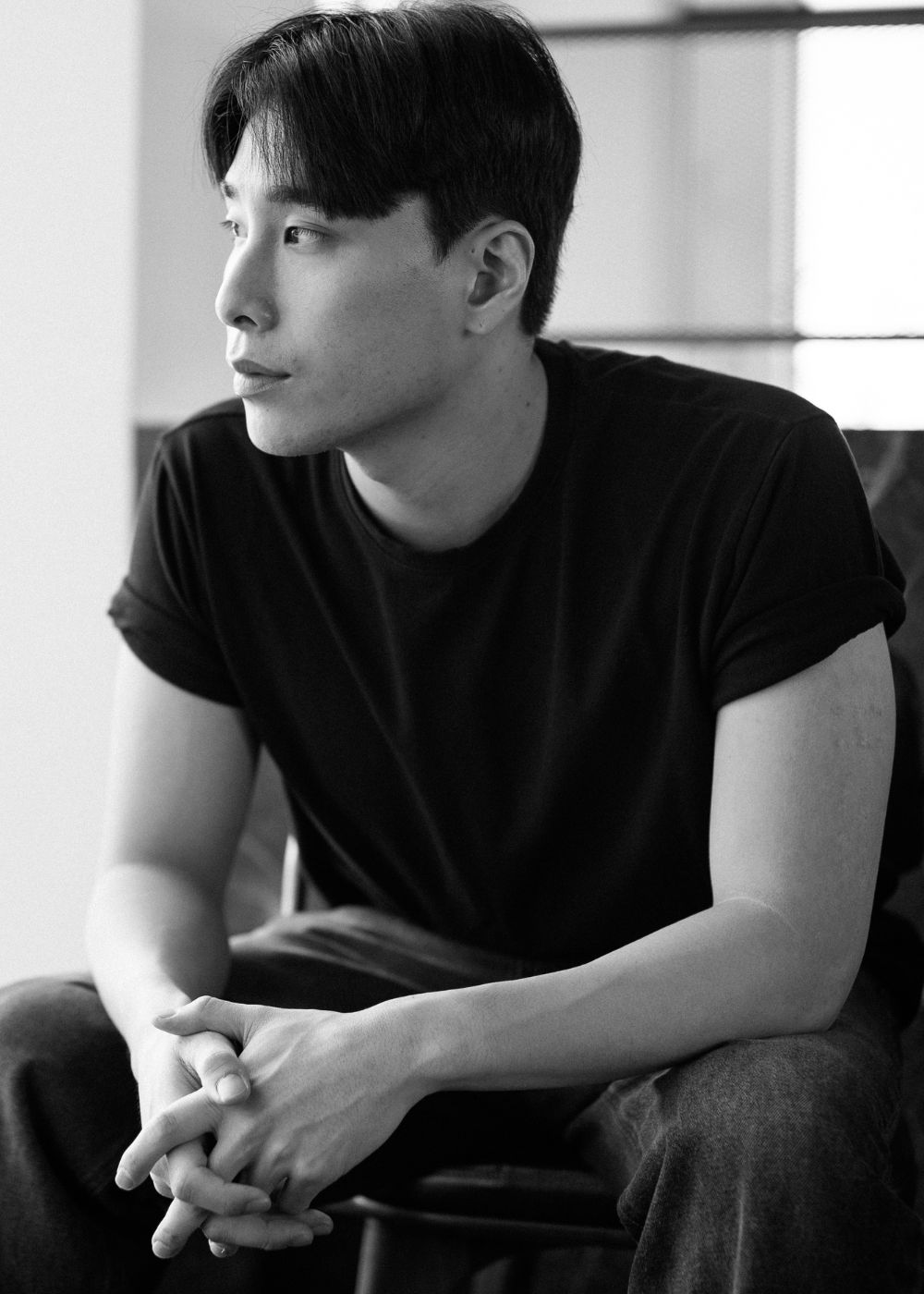
What kind of characters or formats do you want to explore next?
SS: Right now, I’m in an experimental stage. Hongdae Guy wasn’t planned at all, so I’m not trying to force anything. I’m doing more skits as myself and seeing what connects. If something resonates with people, then maybe it becomes a character. I’m just letting it happen naturally.
You’ve spoken about wanting to spend more time in Southeast Asia. What draws you to the region?
SS: My audience is global, so it’s hard to focus on one place. But when I came to Malaysia, I felt genuinely welcomed. It was the first time I thought, I could actually live here. The city reminds me of Seoul in some ways, but the people are incredibly warm. Even small things – like how the waiters here are always smiling – really stood out to me. The overall vibe just feels welcoming.
You collaborate with creators from different countries. How do cultural settings influence your humour?
SS: I don’t like overplanning collaborations. We meet, talk, and shoot on the same day. That’s when the best ideas come out. I like working with creators who already have their own voice, because our identities can clash in a good way. It feels more spontaneous and real.
At the end of the day, humour always comes first because that’s what people want, right? If I made a video teaching people how to ride a bike, that’s how I lose my job. I know the reason why people follow me is that, well, hopefully, I make them laugh. So, I will always be making funny videos; I don’t think that will ever change.
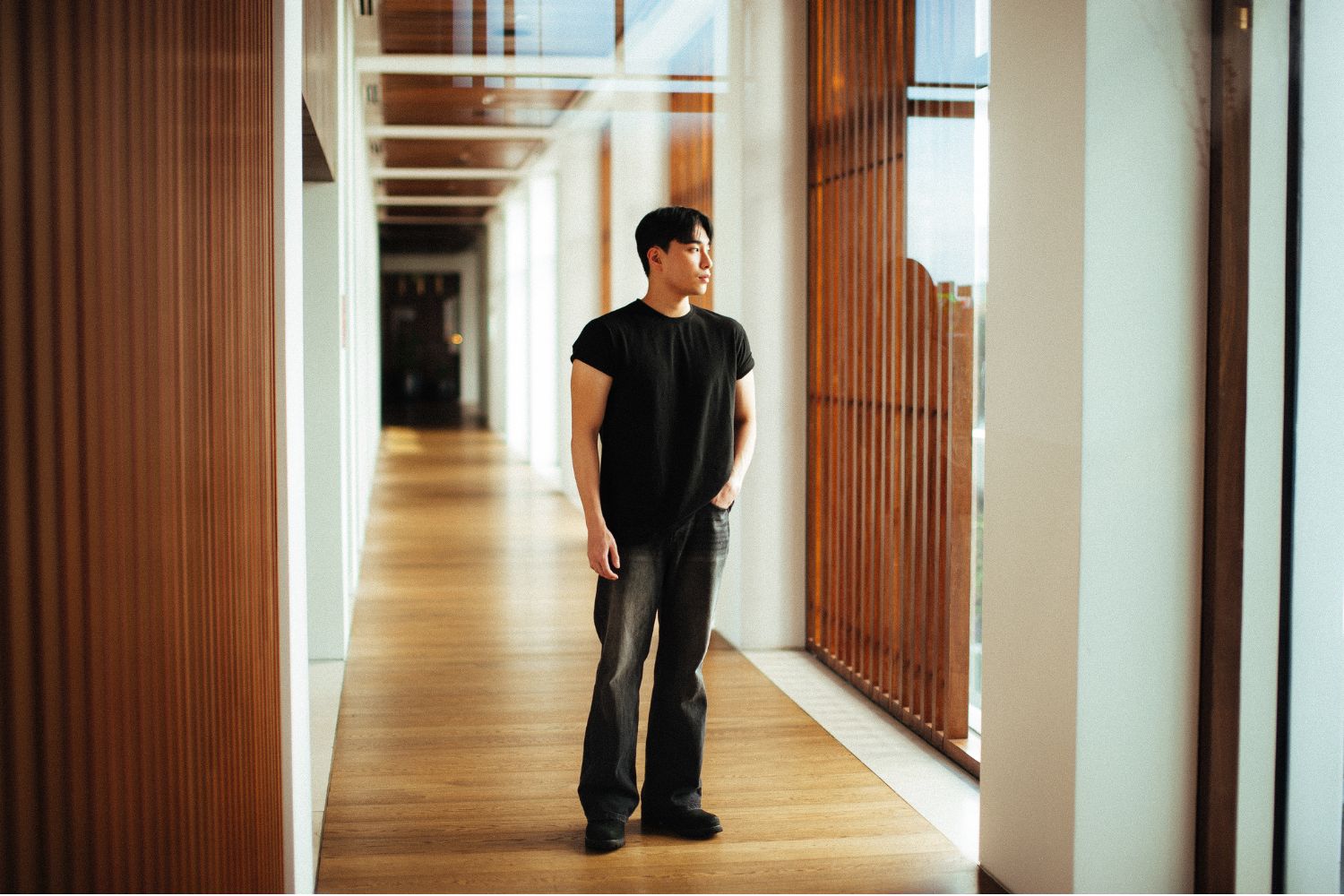
You’ve expressed interest in acting. What kind of roles excite you?
SS: Honestly, anything. I’m at a stage where I just want to try. Comedy feels natural because that’s what I do now on social media anyway, but I’m open to everything. If the right opportunity comes, I’ll take it.
What’s next for you, and how do you hope to be remembered?
SS: I really don’t know. It’s very much “Jesus take the wheel.” I don’t like talking too much about plans because whenever I do, they don’t seem to happen. But one thing I can say is that I’m very grateful.
Keep up with Sean on Instagram and Tiktok @seansolo.
Read more personality interviews and people stories here.
Photography: Imran Sulaiman
Shot on location at Alila Bangsar