




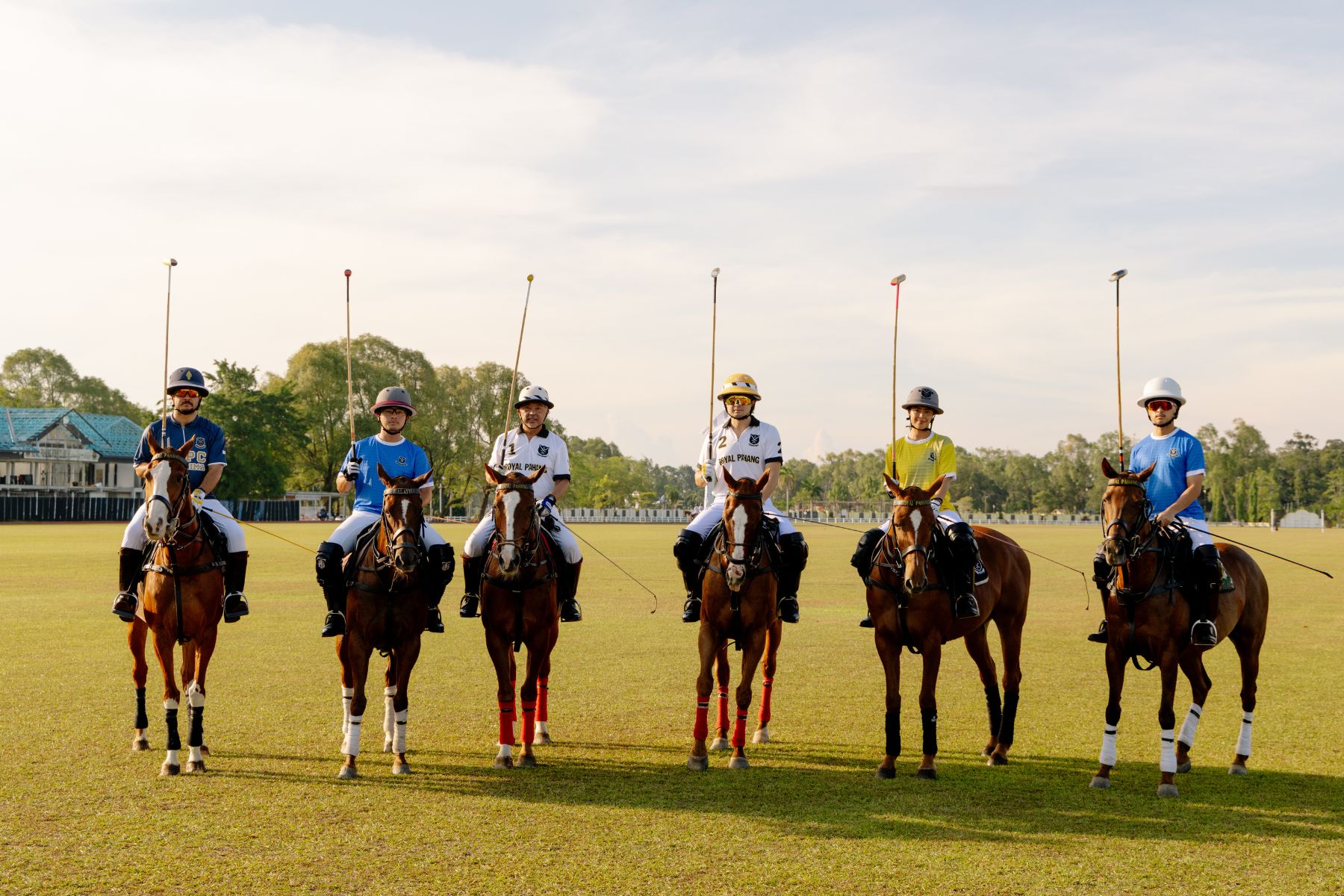






Reaching a centenary is a notable achievement for any sports club. For the Royal Pahang Polo Club, it is a milestone that reflects a century of continuity in a sport where many historic institutions around the world have faded, merged, or disappeared altogether.
Founded in 1926, the Royal Pahang Polo Club (RPPC) stands among a small group of polo clubs in Southeast Asia to have reached the 100-year mark. Over the decades, it has welcomed some of the sport’s biggest names, hosted international competitions, and even contributed a rule now adopted in tournaments worldwide.
This year, the club is commemorating that legacy through a series of public celebrations beginning in Kuantan and culminating with a centenary edition of the Royal Pahang Classic in September. The programme not only honours the club’s history, but also highlights the role it has played in shaping Malaysia’s polo landscape over the past century.
According to Tengku Panglima Raja Brigadier General Tengku Amir Nasser Ibrahim Shah, the celebrations reflect the wishes of His Royal Highness Al-Sultan Abdullah Ri’ayatuddin Al-Mustafa Billah Shah, Sultan of Pahang, who wanted the milestone to be shared with the people of Pahang.
“As much as Tuanku values the people, His Majesty wanted this 100-year legacy to be celebrated together, sharing this meaningful moment with the rakyat,” he said during the launch of the centenary roadshow at East Coast Mall.
A royal beginning
The story of the Royal Pahang Polo Club began with a royal wedding.
In 1926, Sultan Abu Bakar of Pahang received a gift of polo ponies from Sultan Iskandar of Perak in conjunction with his marriage to the latter’s daughter. The gesture of familial goodwill sparked a lifelong passion for the sport and ultimately led to the founding of the Royal Pahang Polo Club.
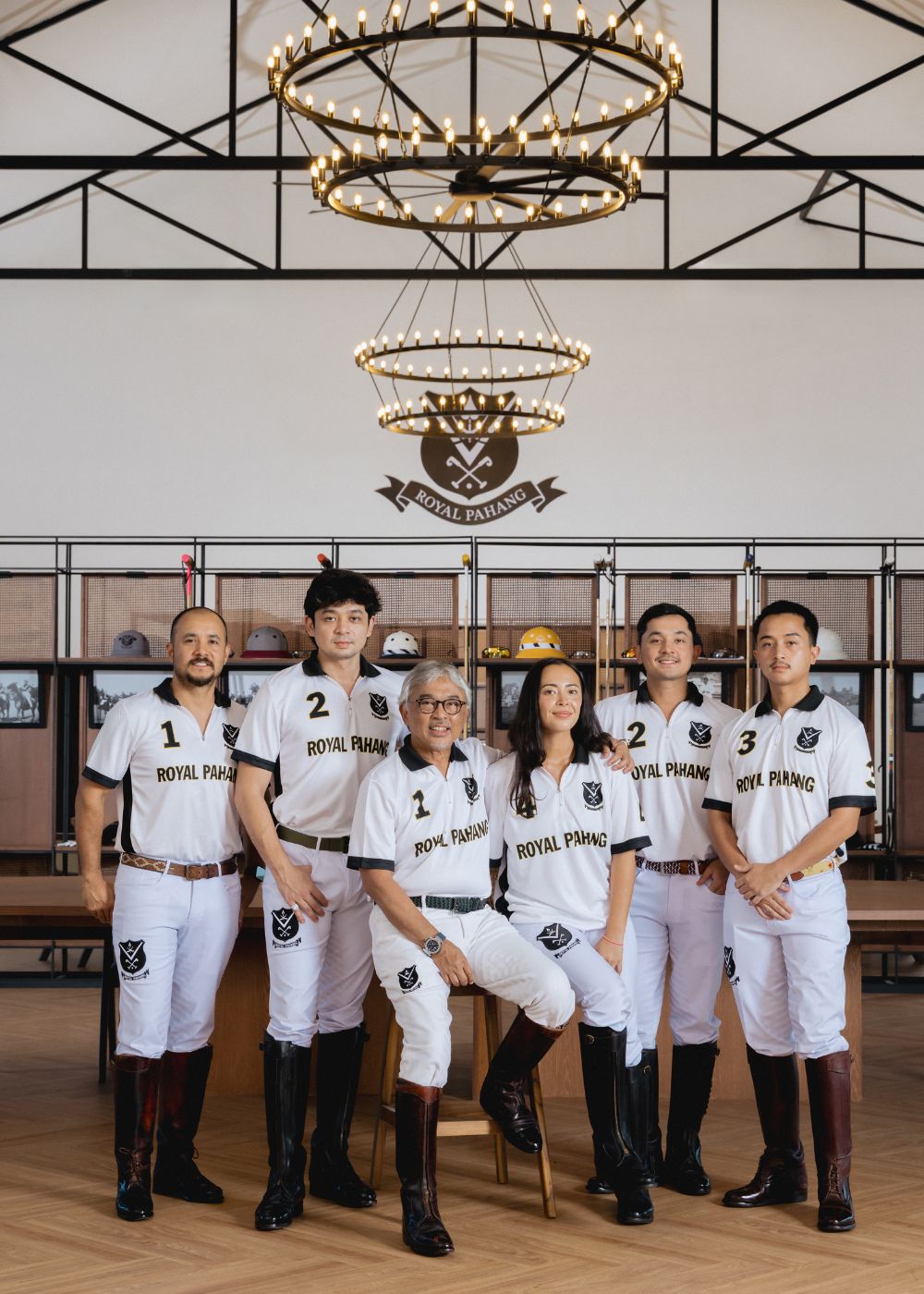
A century later, the club remains one of only a handful of polo institutions in the region to have reached such a milestone. Alongside Singapore Polo Club, Royal Selangor Polo Club, and Iskandar Polo Club, it stands among the oldest polo clubs in Southeast Asia. More remarkably, it remains one of the few clubs established in the 1920s that continues to operate under uninterrupted royal patronage.
That continuity has made RPPC more than a sporting institution. For generations, it has served as a cultural landmark where tradition, athleticism, and royal heritage converge.
How the Royal Pahang Polo Club shaped Malaysian polo
Over the decades, the club has played a pivotal role in elevating Malaysia’s standing within the international polo circuit.
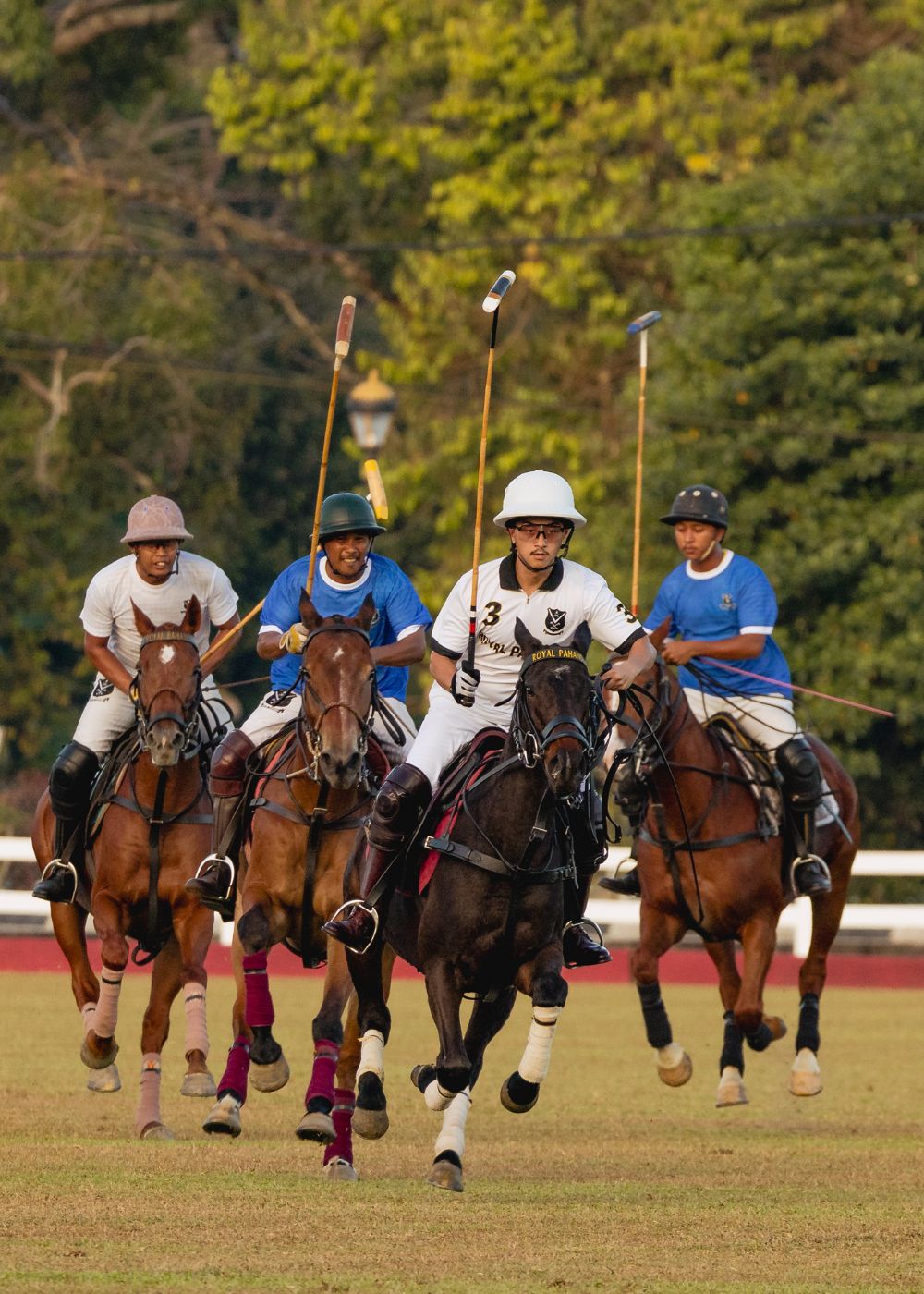
Its flagship tournament, the Royal Pahang Classic, became one of the country’s most prestigious polo events, regularly attracting elite players from around the world to compete in Pekan. Through the tournament, Pahang earned a place on the global polo calendar, transforming the royal town into a destination recognised by professionals and enthusiasts alike.
Among the notable names to have graced the grounds is Adolfo Cambiaso, widely regarded as one of the greatest polo players of all time. Alongside other leading international professionals, his participation underscored the tournament’s stature and the club’s ability to attract world-class talent.
The club’s legacy also extends beyond hosting prestigious competitions. Throughout its history, it has nurtured generations of players and served as a platform for Malaysian polo to flourish on both national and international stages.
A century of sporting milestones
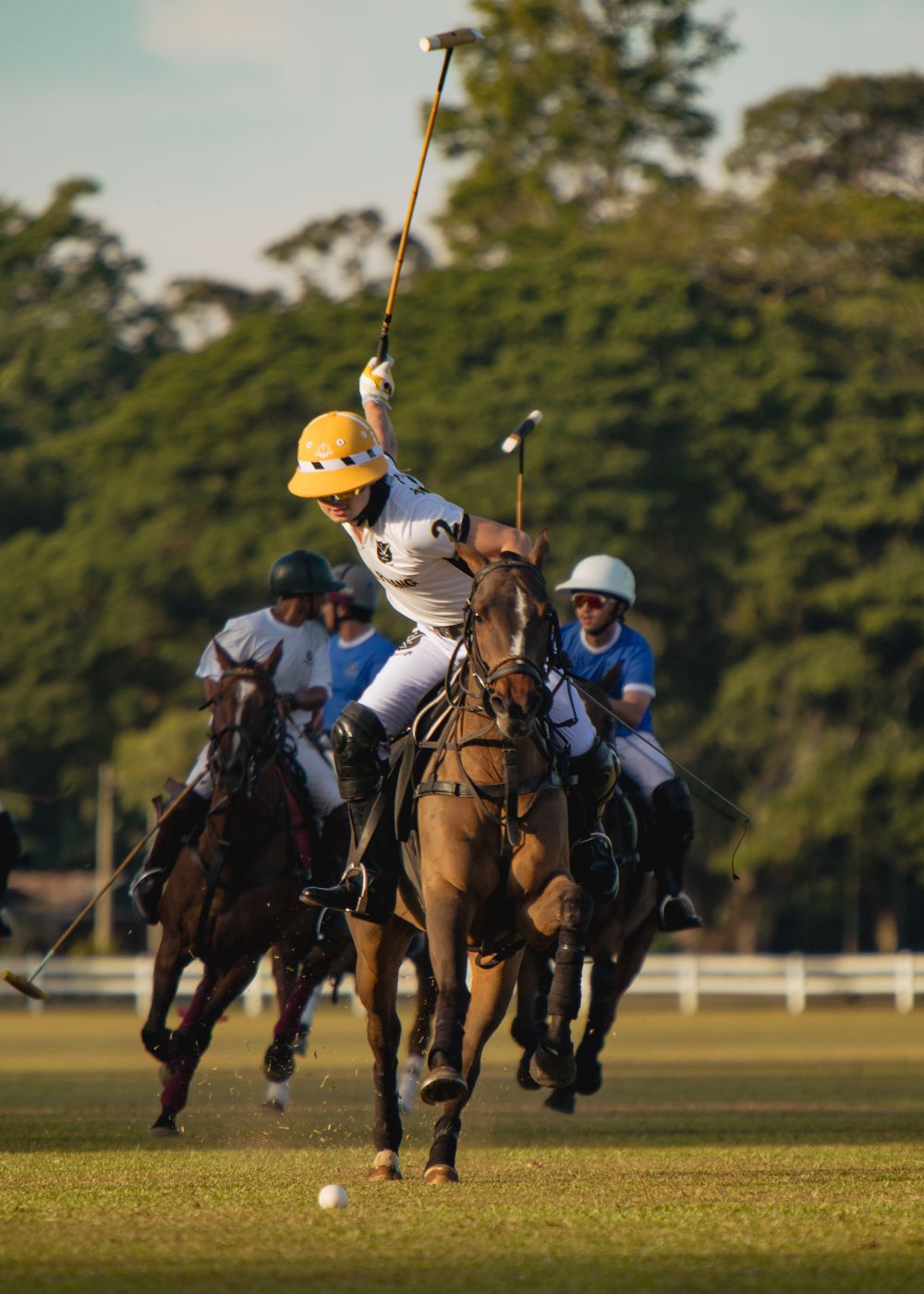
The Royal Pahang Polo Club’s influence reached a defining moment in 2006 when the Royal Pahang team, led by the then HRH Tengku Abdullah – now Al-Sultan Abdullah Ri’ayatuddin Al-Mustafa Billah Shah, Sultan of Pahang – secured victory in the International League.
Another landmark achievement followed in 2011 when RPPC hosted the qualifying stages of the FIP Polo World Cup, one of the sport’s most prestigious international competitions.
That tournament would leave an even more enduring legacy. A rule pioneered at the club’s grounds in Pekan – the half-chukka free change of horse – was formally adopted and has since become standard practice at FIP tournaments worldwide. This contribution reflects the club’s unique position within the sport: not merely as a participant in polo’s history, but as an institution that has helped shape its evolution.
Bringing history to the public
To mark the occasion, RPPC is opening its history to a wider audience through a series of public-facing initiatives across Pahang.
The centenary celebrations began with a roadshow at East Coast Mall in Kuantan, where visitors can explore rare archival photographs, historical artefacts, commemorative merchandise, and interactive displays chronicling the club’s hundred-year journey.
Following the East Coast Mall roadshow, RPPC will participate in Pesta Kuantan 188 from 31 July to 2 August, before hosting a dedicated centenary exhibition at the Museum of Contemporary Art (MOCA) throughout August. Attention will then shift to Pekan, where preliminary rounds of the centenary polo competition will begin on 7 September.
The festivities will culminate on 25 and 26 September with two marquee matches: the Royal Pahang Classic Centenary Cup and the Tengku Ampuan Patrons Cup. Bringing together some of the region’s finest players, the finals promise a fitting tribute to a century of sporting excellence under the patronage of the Pahang royal family.
Looking ahead to the future of polo
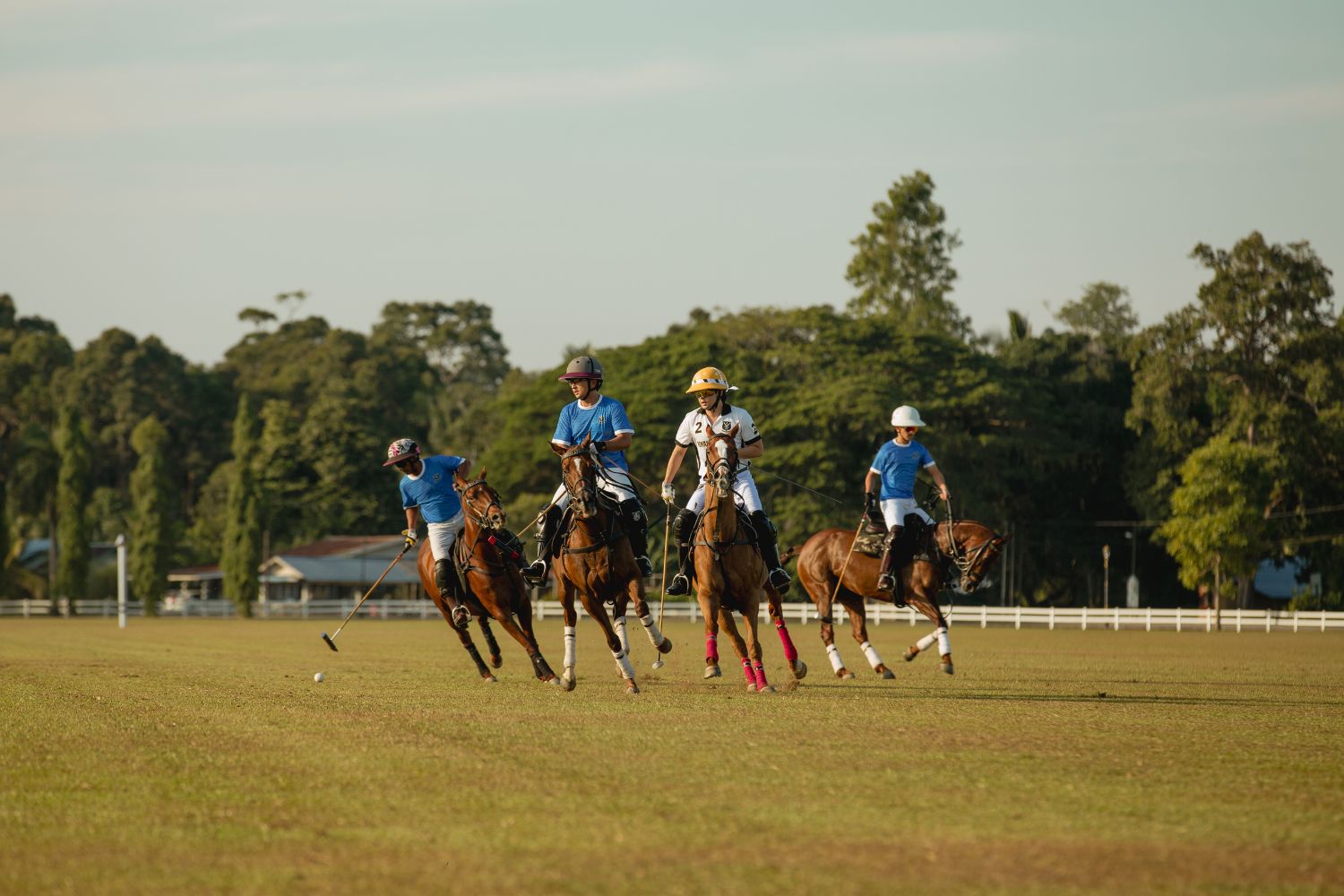
As the Royal Pahang Polo Club enters its second century, the celebrations are designed not only to honour the past but also to inspire future generations. By bringing its story into public spaces and broadening awareness of the sport, the club hopes to encourage greater appreciation for polo among Malaysians from all walks of life.
As Tengku Amir noted during the launch, “Whenever the people come to support the polo teams, it reflects the mutual affection and respect shared between the Palace and the People.”
One hundred years after a royal gift first ignited a passion for the sport, the Royal Pahang Polo Club continues to ride forward – preserving its heritage while charting a course for the future.
For more lifestyle news, head here.