




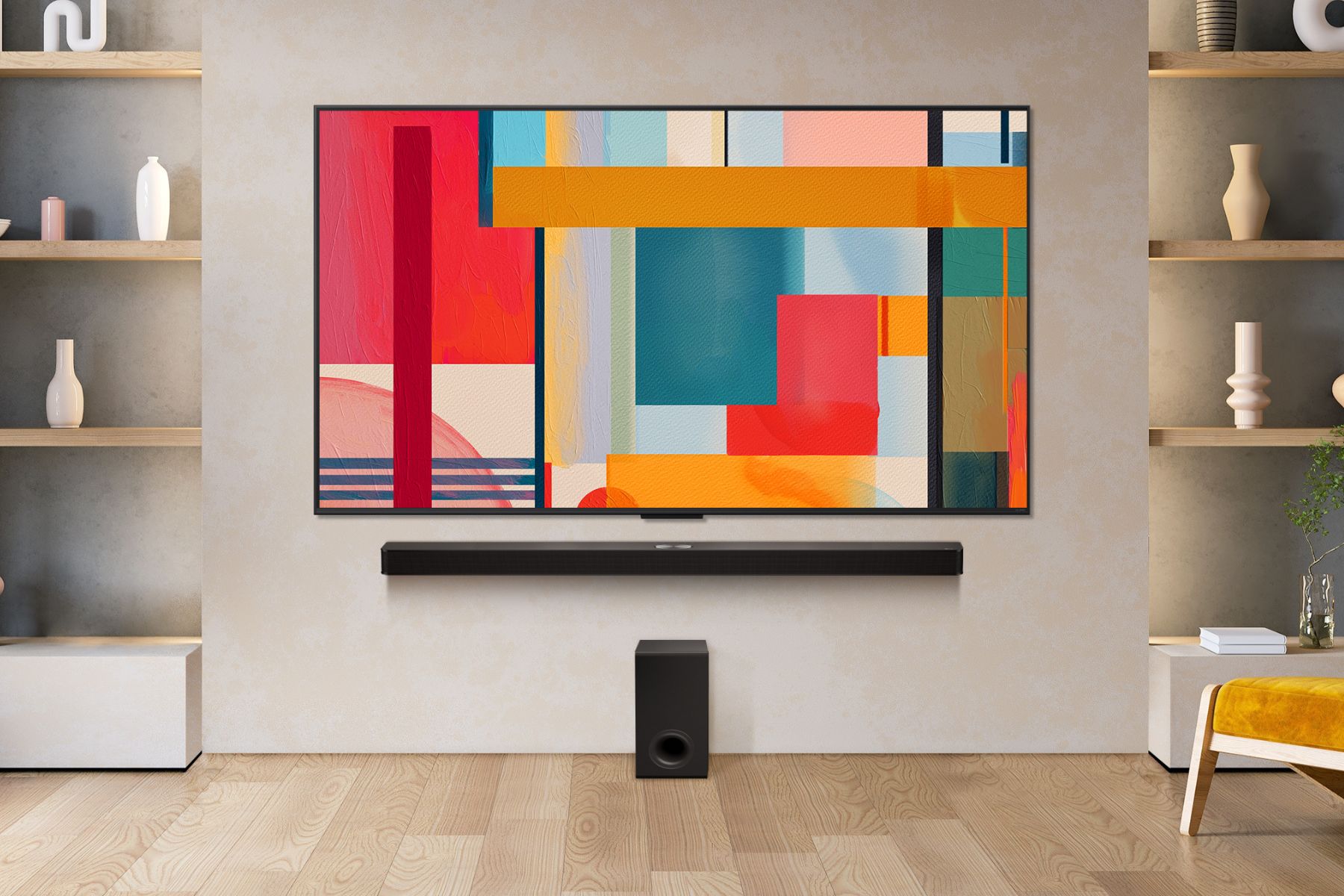






Every year, screens become larger, smarter, and more central to daily life. While smart TVs brought streaming and connectivity into the living room, AI TVs take things a step further by actively analysing what’s happening on screen and adjusting the viewing experience in real-time. In 2025, artificial intelligence works alongside advanced colour and lighting systems to refine picture and sound automatically, shaping the way we watch shows, play games, and unwind after a long day.
And with the new year around the corner, you may be considering an upgrade for your home entertainment system. In this guide, we break down the key factors to consider – with examples drawn from one of the noteworthy AI TV releases this year, the LG QNED evo AI TV QNED86 MiniLED, to help illustrate how these ideas look in practice.
1. Design and versatility: How you use your screen
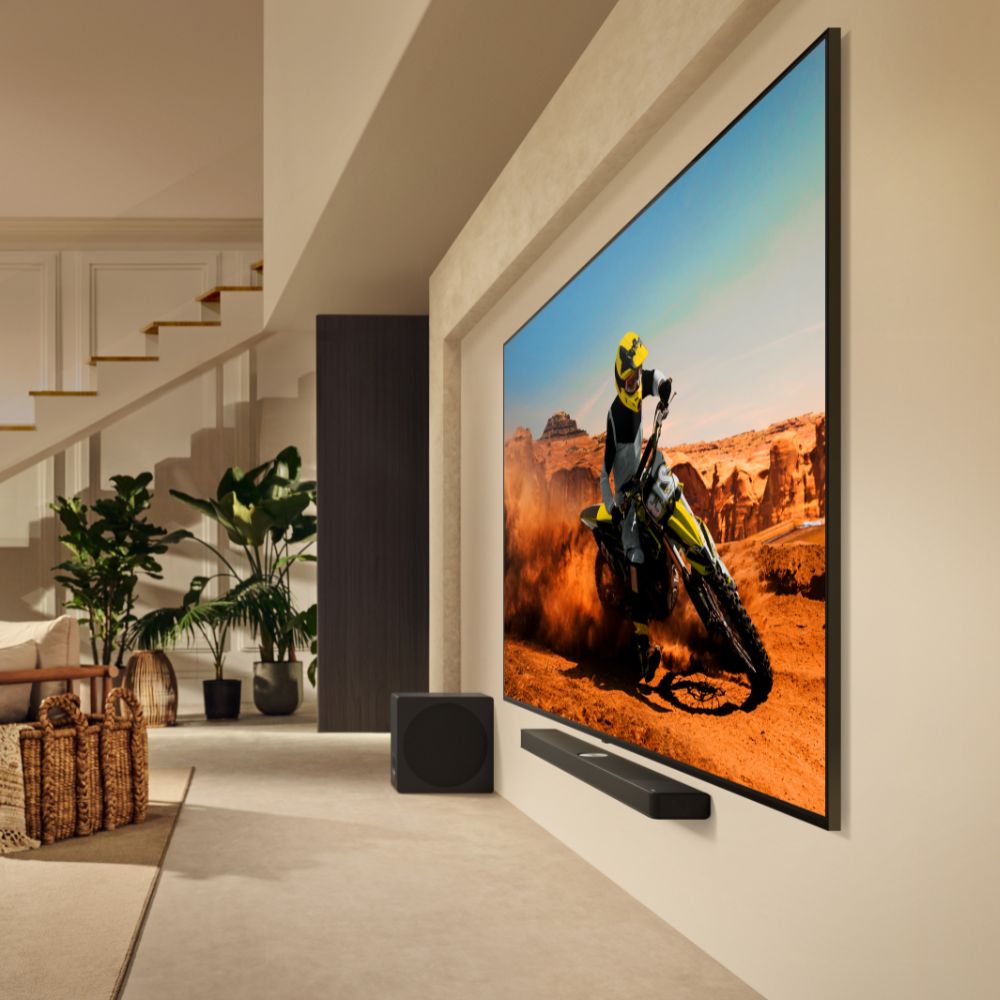
A TV is no longer just for scheduled evening viewing. Many households now use their screens for a mix of films, series binges, streaming content, virtual hangouts, gaming, and even art display.
In practical terms, this means looking beyond raw screen size and resolution. Does your living room host movie gatherings with friends? Are you a casual gamer? Do you enjoy nature documentaries or visual art? These habits influence what technologies matter most, from motion handling and colour depth to how smart the interface feels.
In models like the LG QNED evo AI TV QNED86 MiniLED, advanced scene‑by‑scene picture optimisation helps content feel vibrant and detailed regardless of genre, responding automatically to what’s on screen. This gives a sense of liveliness to both bright, colourful sequences and more subtle visuals, suiting a wider range of content types and preferences.
So, if you find yourself switching between two or more of the aforementioned habits – like watching Netflix for an hour before playing your favourite PlayStation 5 game – an AI TV like the LG QNED evo AI TV QNED86 MiniLED is ideal for you. Plus, its Super Slim Design and range of screen sizes (up to 100 inches) allow it to fit seamlessly into your home, no matter your interior style.
2. Display and picture quality: Colour and contrast make a difference
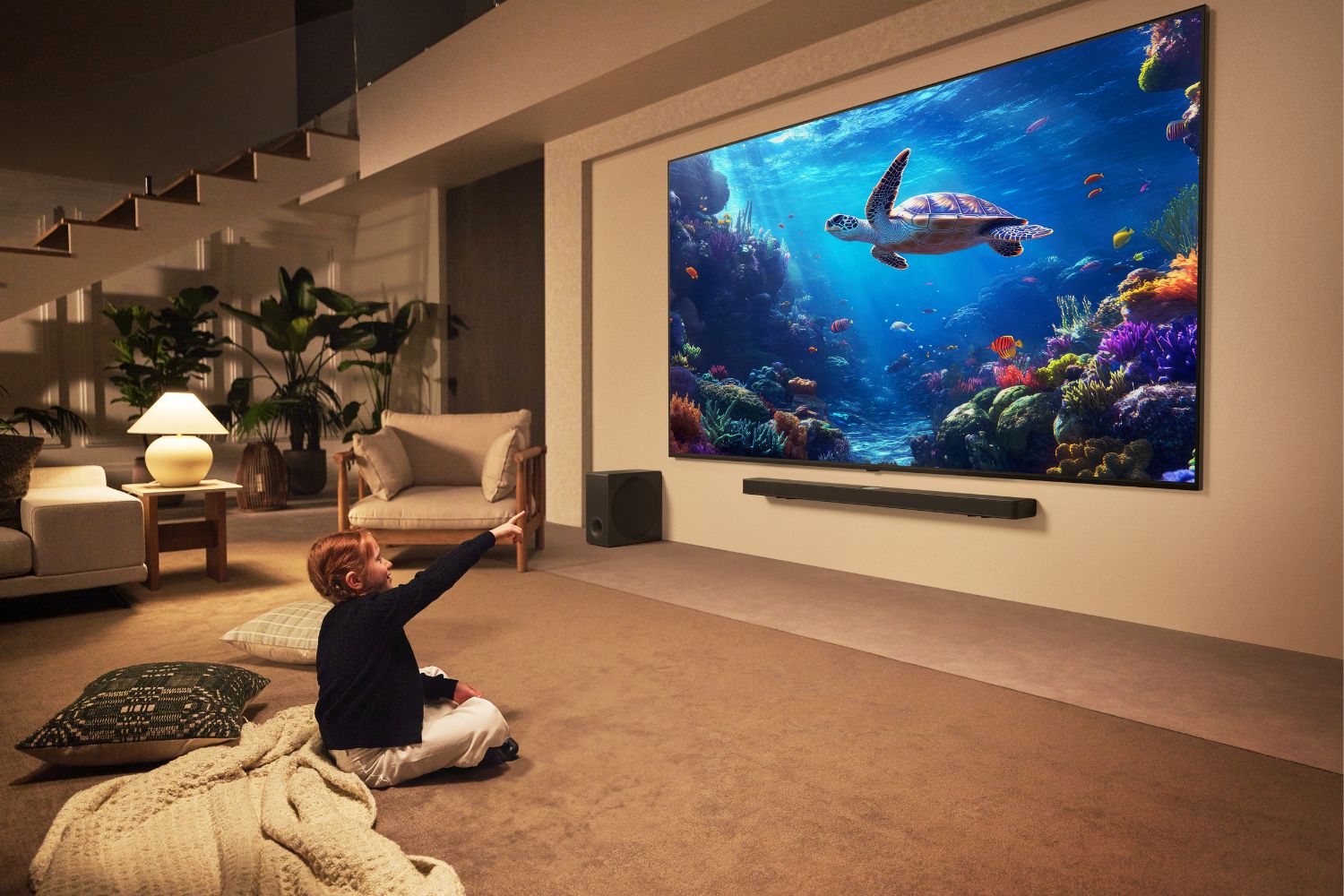
One of the most talked‑about developments in display tech is how effectively a TV can render colour and contrast. In simple terms, this determines how closely what you see on screen aligns with reality or the creator’s intent.
Rather than just looking for a high-resolution screen, consider panels with wide colour ranges and precise light control features. MiniLED backlighting – used in TVs like the LG QNED evo AI TV QNED86 MiniLED, powered by a new Alpha 8 AI processor Gen2 – divides the screen into many tiny lighting zones. This allows darker areas to stay deep and rich without washing out brighter parts, which can make everything from documentaries to sports feel more immersive.
For everyday use, this translates into images that are both vivid and nuanced, whether you’re watching a Christopher Nolan film (with his distinctive dark colour palettes) or Emily in Paris (and her colourful wardrobe choices).
3. Smart features: AI that feels natural
If you’ve ever found yourself scrolling through complicated menus or watching someone fumble to find something to watch, you know the difference smart interfaces can make. Today’s AI TVs aim to understand the viewer and display the right content intuitively and with minimal fuss. Features like voice‑enabled navigation, personalised content suggestions, and intuitive remote control can turn what was once a technical process into something that feels almost conversational.
For instance, the LG QNED evo AI TV QNED86 MiniLED comes with an AI Magic Remote featuring a motion sensor and scroll wheel, allowing users to point and click to use it like an air mouse or simply speak for voice commands. Functions like AI Voice ID, AI Search, AI Chatbot, and AI Concierge work hand-in-hand to recognise each user’s unique voice signature and offer personalised recommendations and solutions the moment you speak. Existing LG users benefit further from Home Hub, enabling you to manage and control LG home appliances from your TV.
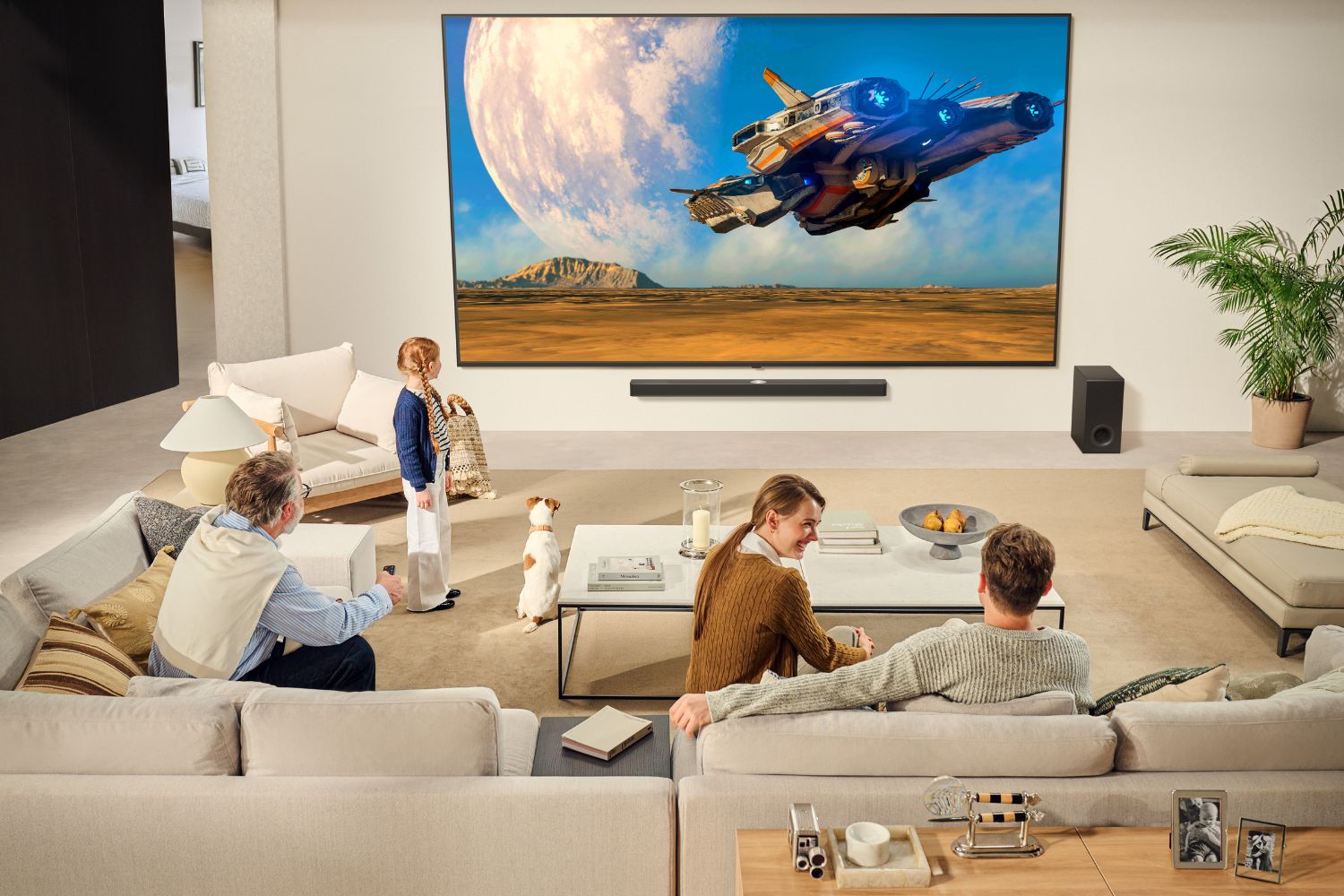
4. Longevity: How a TV keeps up with time
Unlike phones and tablets, a TV is an investment you want to live with for many years. Beyond hardware, many contemporary models are designed to improve over time through software enhancements – new features, smarter recommendations, or interface improvements delivered through updates. This approach means the screen you choose today stays relevant longer, adapting to evolving streaming services, new content standards, and changing household habits.
With the LG QNED evo AI TV QNED86 MiniLED, longevity is approached through a combination of durable display technology and ongoing software support. LG promises four years of upgrades over five years with its award-winning webOS Re:New Program. This ensures the TV remains compatible with evolving streaming services, formats, and user expectations so it doesn’t become outdated as quickly as other devices.
5. AI Personalisation: Beyond the screen
A good TV by today’s definition goes beyond what appears on screen. Increasingly, it’s about how it fits into the mood and rhythm of the home. The LG QNED evo AI TV QNED86 MiniLED allows picture and sound settings to be adjusted to suit different moments of the day – softer tones for winding down, sharper visuals for your regular sports programs, or balanced settings for everyday viewing.
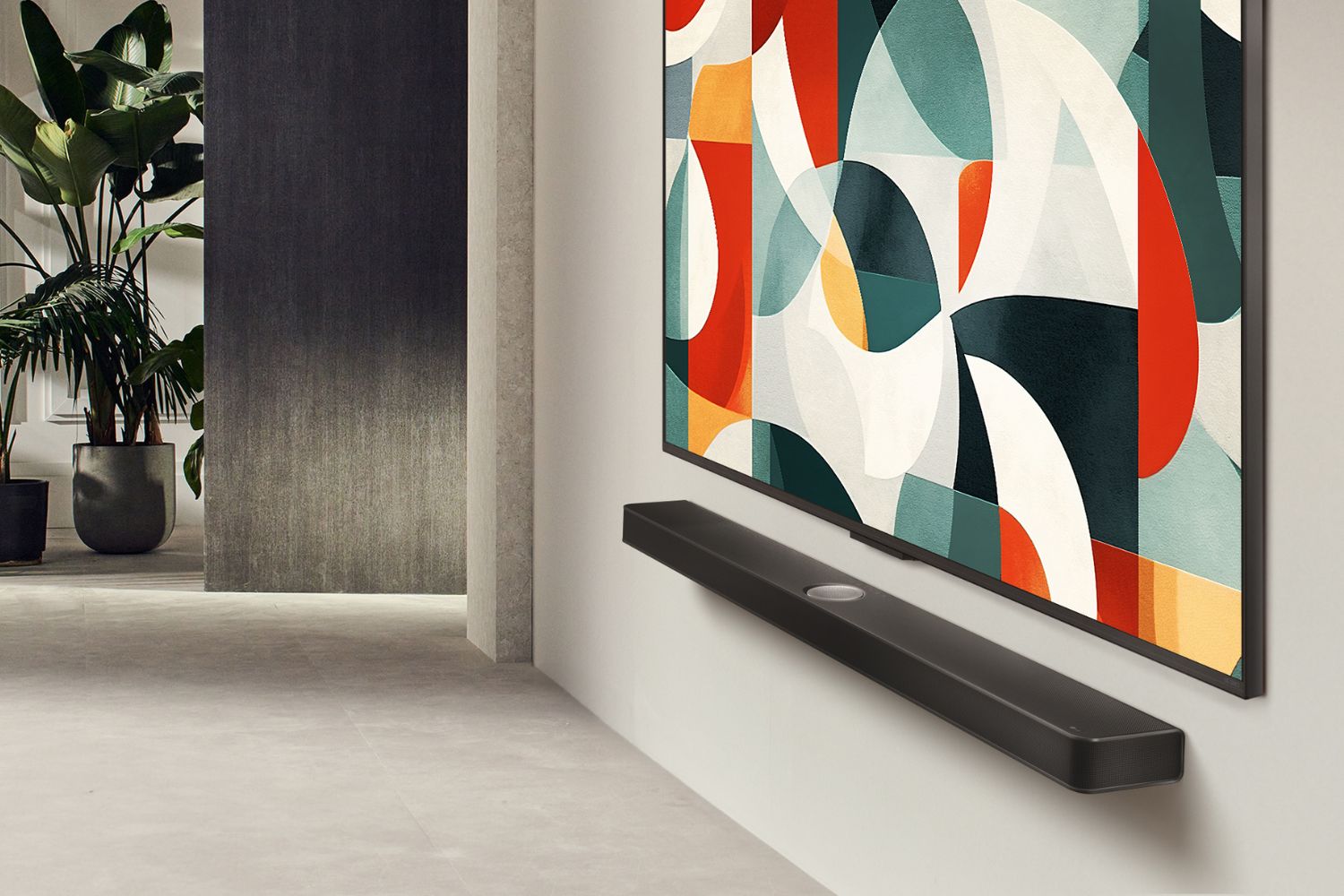
The screen can also take on a more ambient role. With music playback paired with visual displays from LG Gallery+, the TV shifts from entertainment hub to atmosphere-setter. Artwork, subtle motion graphics, or minimal visuals allow the screen to stay present without demanding attention, making it just as suitable for hosting guests or quiet evenings at home.
Practical personalisation comes into play through the home dashboard, which brings connected devices, apps, and notifications into a single view. This makes switching between streaming, gaming, and music more intuitive, reflecting how modern TVs are designed not just to be watched, but to live comfortably within the space around them.
Final note: Ultimately, choosing a TV today is less about the best specifications and more about understanding how a screen fits into everyday life. From design and display quality to personalisation and longevity, the most meaningful features are often the ones that enhance how we relax, gather, and unwind at home. Taking the time to assess how, when, and why you use your screen can make all the difference in finding one that feels right, not just now, but for years to come.
For more information about the LG QNED evo AI TV, visit this website.
Browse more articles on home and living here.