






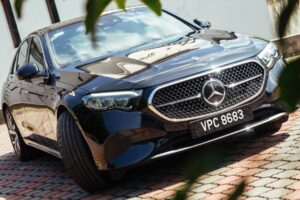


This is where the Mercedes-Benz E200 steps in. Positioned as a bridge between the traditional lineup and the electric EQ range, it seeks to fuse these opposing worlds by wrapping a classic petrol engine in a digital-first skin. To separate the marketing from the mechanics, we took the E200 through a mix of urban traffic and open highways, determined to find out whether this fusion creates a harmonious hybrid or a car caught in the middle.
A silhouette of modern tradition
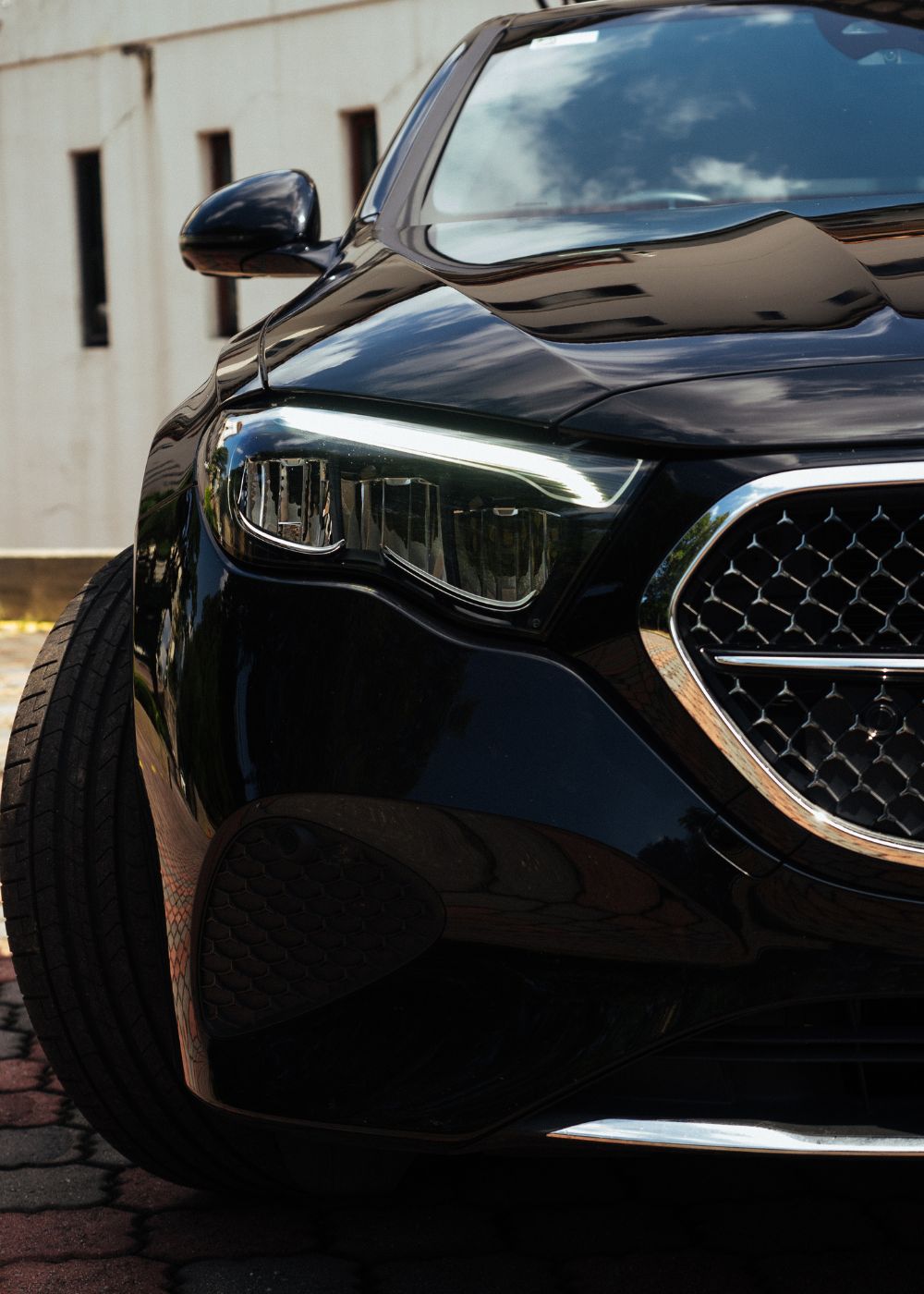
LED headlight featuring the distinct 'eyebrow' daytime running light.
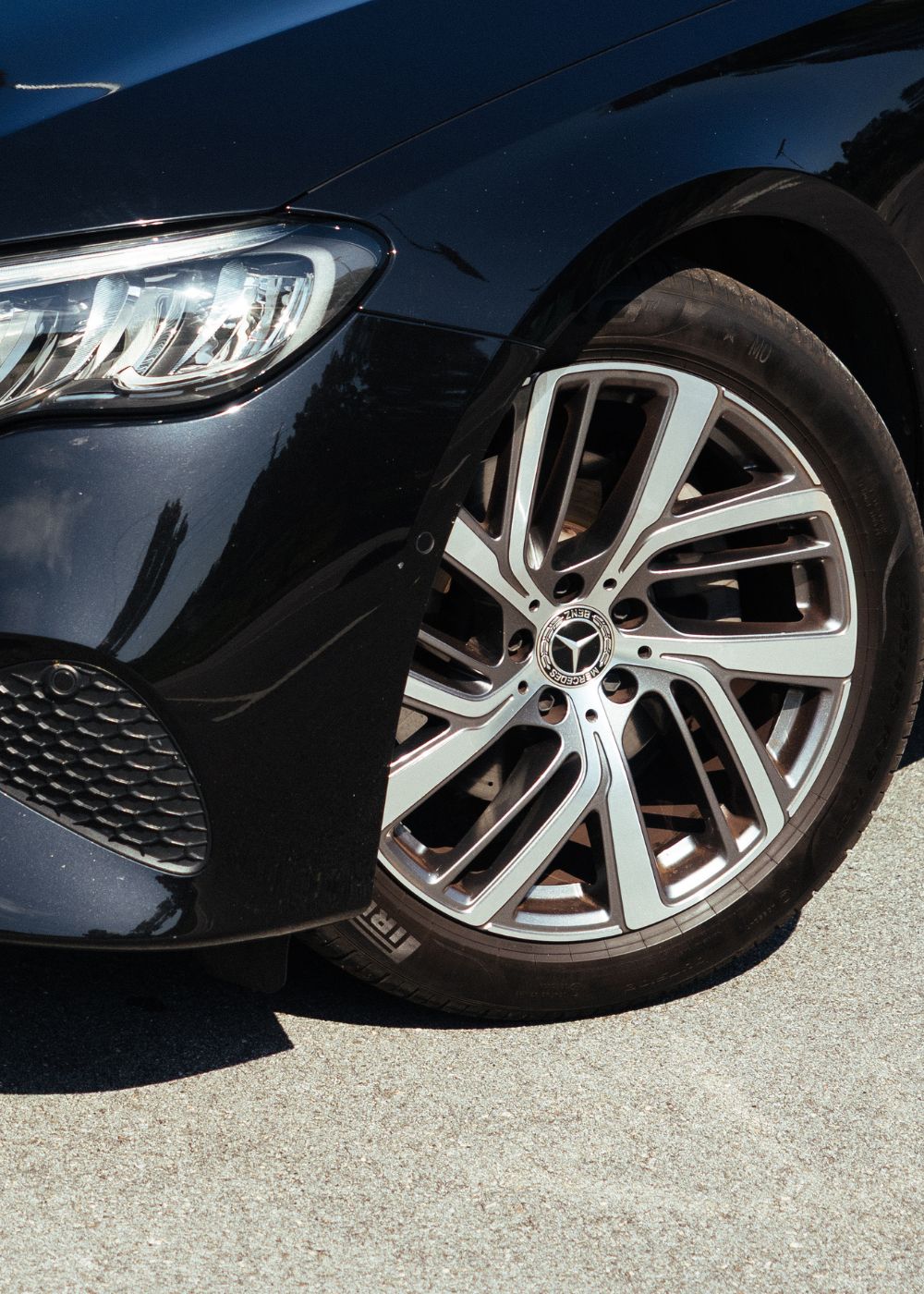
19-inch multi-spoke alloy wheel with a two-tone finish filling the wheel arch.
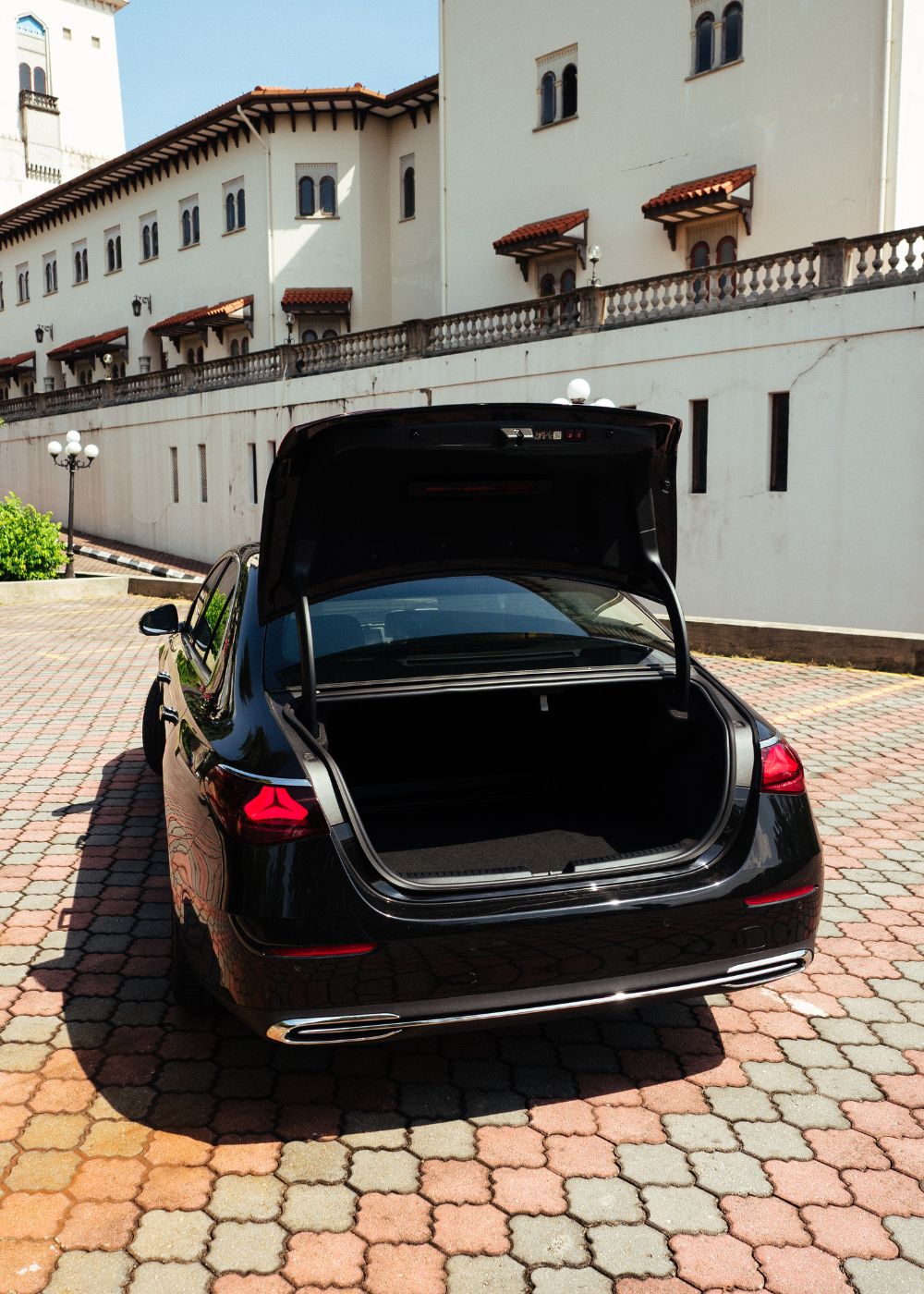
A generous 540-litre cargo capacity.
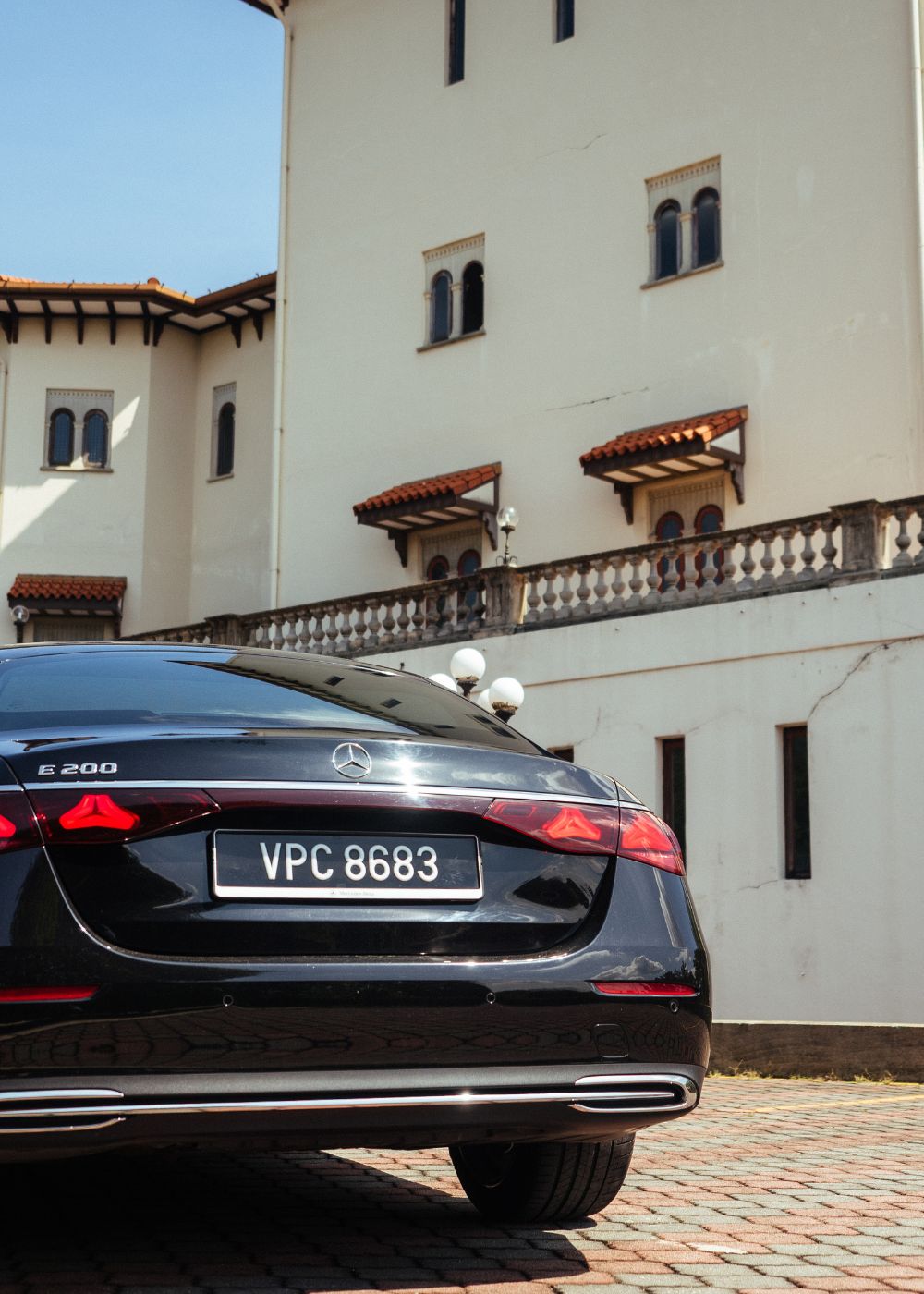
Rear profile highlighting the star-patterned LED tail lights.
Visually, the E200 manages to be both classic and contemporary. It honours tradition with a timeless saloon profile, a long bonnet, and a generous 540-litre boot, while simultaneously mirroring its electric siblings through the gloss-black mask connecting the grille to the headlights.
The look comes together on a set of 19-inch alloy wheels that fill the arches to give the chassis a grounded feel. It asserts itself further through the lighting signature, where new ‘eyebrow’ daytime running lights pair with star-patterned tail lights to create a distinct identity.
Yet, in a game of inches, the Avantgarde trim leaves a subtle margin for desire. The decision to use functional reflector headlamps rather than intricate projection technology feels like a modest choice – a small visual pause in an otherwise sophisticated and fluid design language.
Balanced digital experience
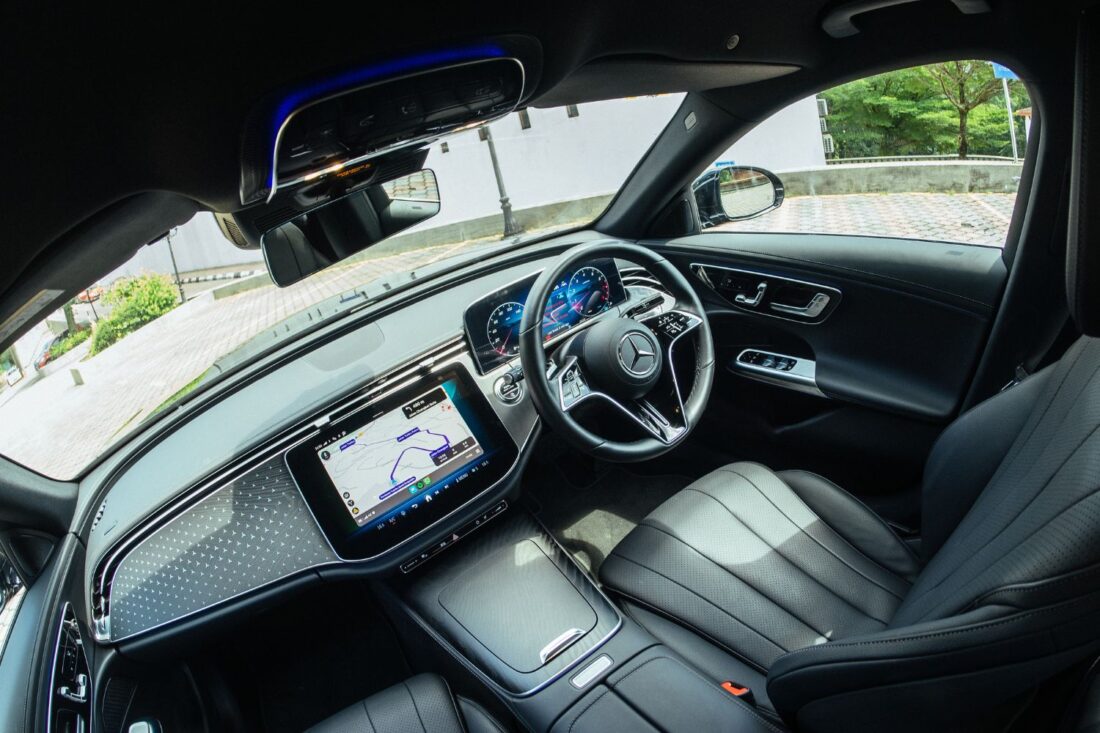
The driver's cockpit featuring dual-screen dashboard.
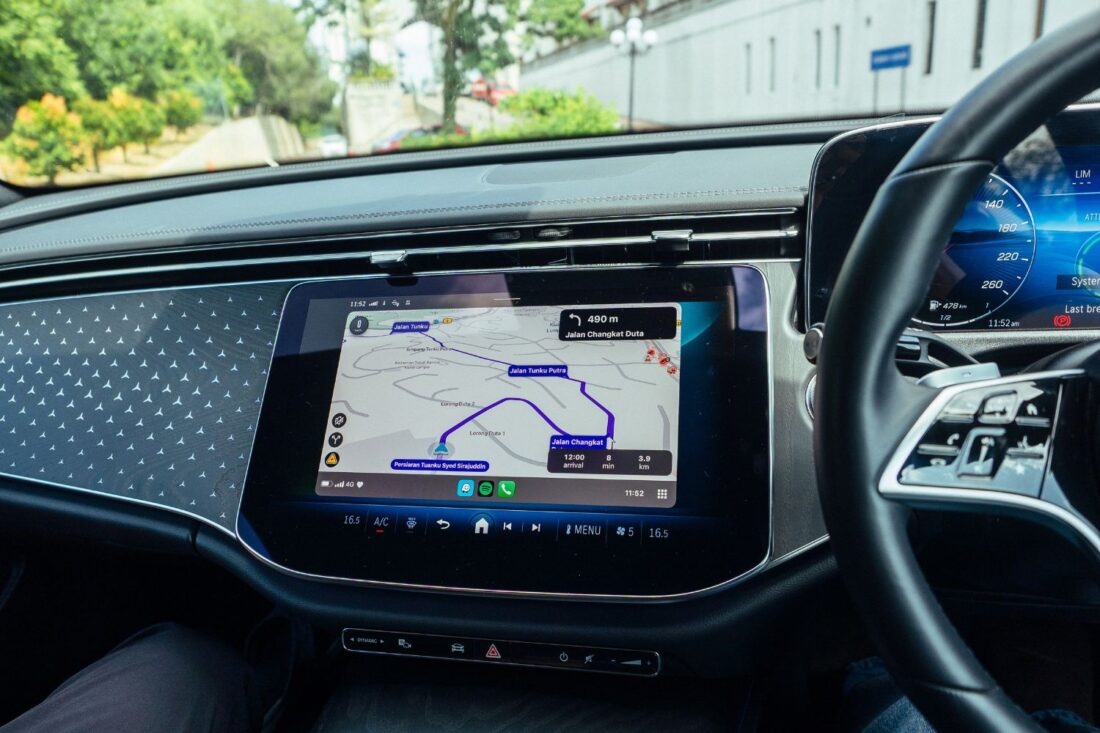
High-resolution central display and a fixed climate control bar at the base.
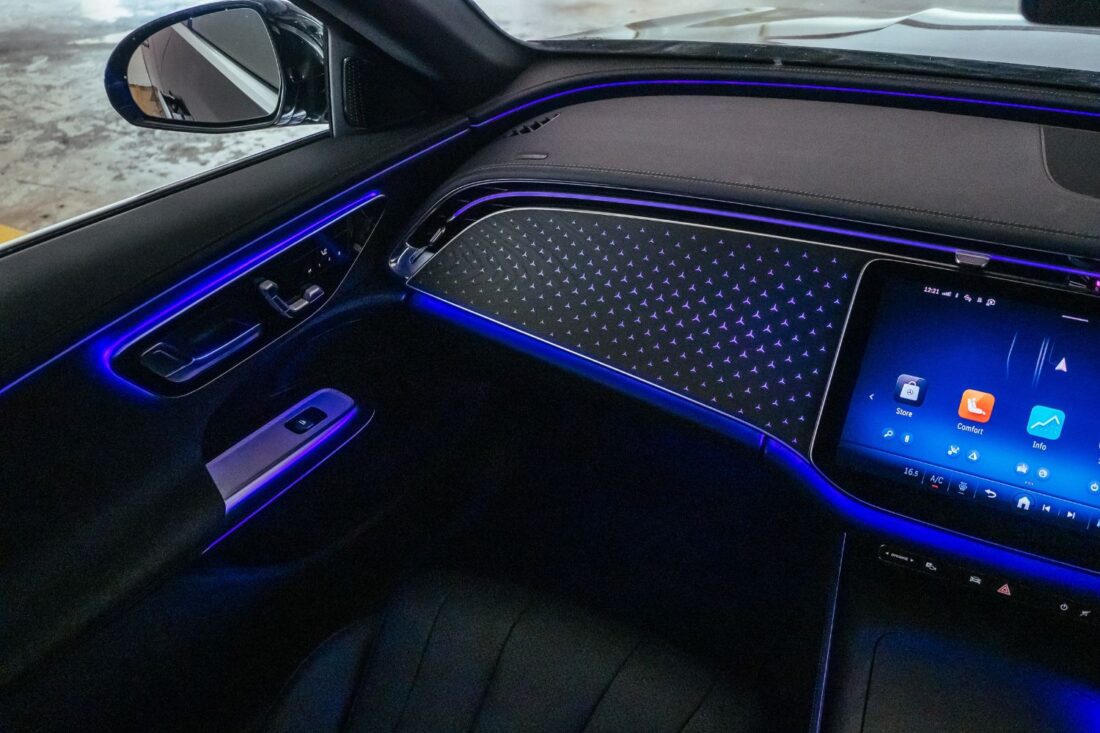
Active ambient lighting tracing the star-patterned dashboard panel.
Step inside, and this E-Class sedan makes a compelling argument for its new digital philosophy. The E200 proves that you do not need the maximum screen count to secure the best experience. By skipping the Superscreen’s passenger display, the dual-screen setup feels like the sweet spot, offering all the visual drama you need without the distraction of a third monitor.
While these glass surfaces collect fingerprints with frustrating ease, the software itself is surprisingly intuitive. The system keeps climate control icons permanently visible at the bottom of the screen – a small detail that makes a notable difference during daily driving. Surrounding the digital interface, an active ambient lighting system adds further depth to the dashboard.
The backlit star motifs inject a texture that keeps the dark colour scheme from feeling flat. This detail adds a spirited touch to the executive setting, proving that a high-tech cabin does not have to feel cold.
Built for comfort, not speed
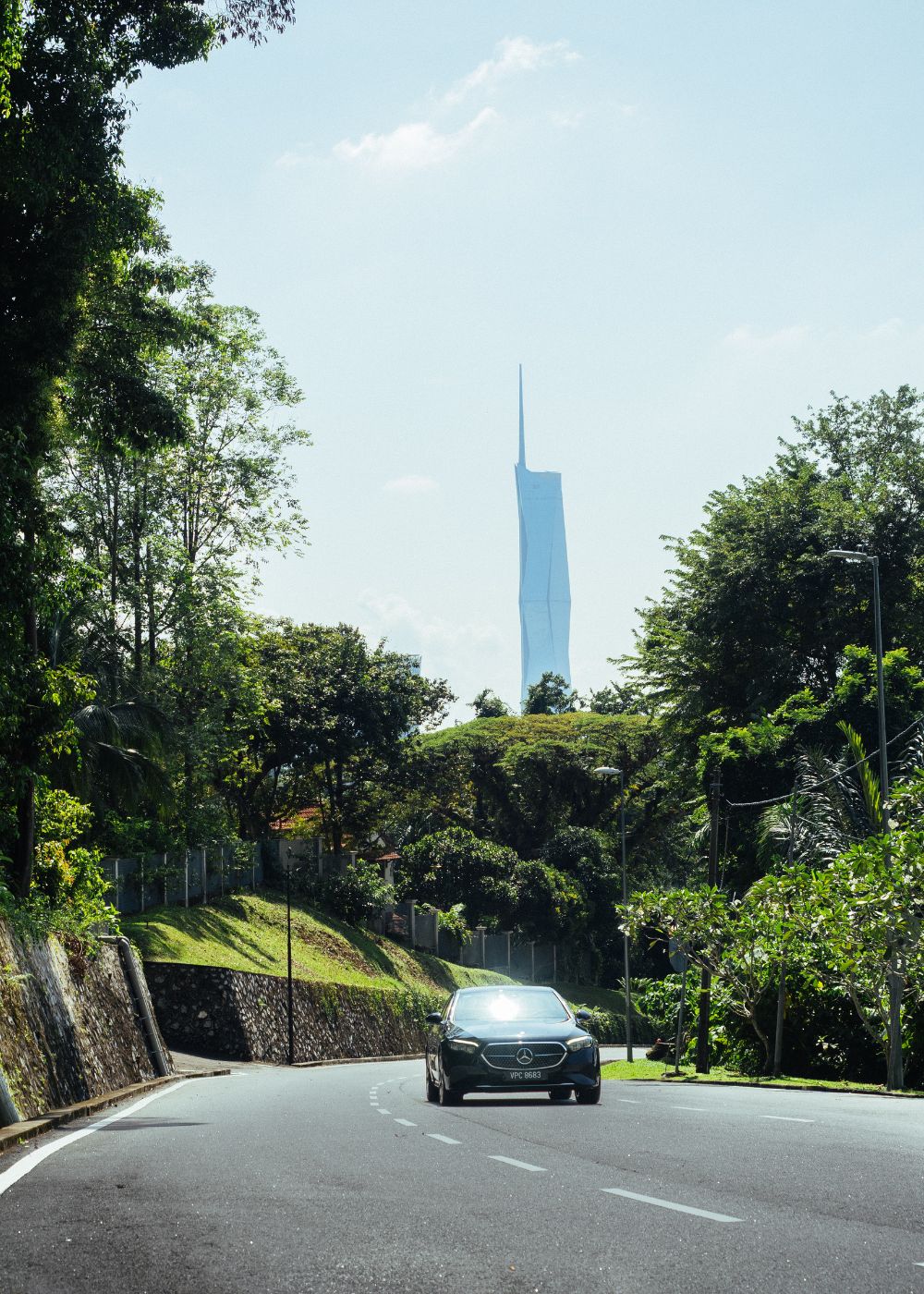
From the driver’s seat, it becomes clear that the priorities are comfort first, speed second. While the 2.0-litre mild-hybrid engine produces a respectable 204PS and 320Nm of torque on paper, the real-world driving experience is defined by effortless progress rather than aggression.
In heavy traffic, the mild-hybrid system renders the stop-start process nearly unoticeable, while the suspension irons out the jagged edges of city roads with a polite, cushioned thud. On the open road, the E-Class demonstrates its true vocation as a long-distance cruiser. The chassis masks speed with surprising fluidity – cruising at 170 km/h feels as composed as 70 km/h – while remaining insulated from wind noise.
It is a vehicle engineered to cover hundreds of kilometres without fatigue, cocooning the driver in silence. However, this dedication to softness creates a boundary when chasing the numbers. In tight corners, the compliant chassis concedes noticeable body roll, signalling clearly that the car demands a gentle hand.
Pushing toward the 240 km/h top speed or forcing a rapid overtake exposes a hint of mechanical roughness, sending a faint vibration filtering through the cabin as the engine is strained. This shudder originates not from the chassis but from the four-cylinder unit’s reaction to being pushed. It is a subtle reminder that while the E200 is a master of the cruise, it is no sprinter.
The invisible co-pilot
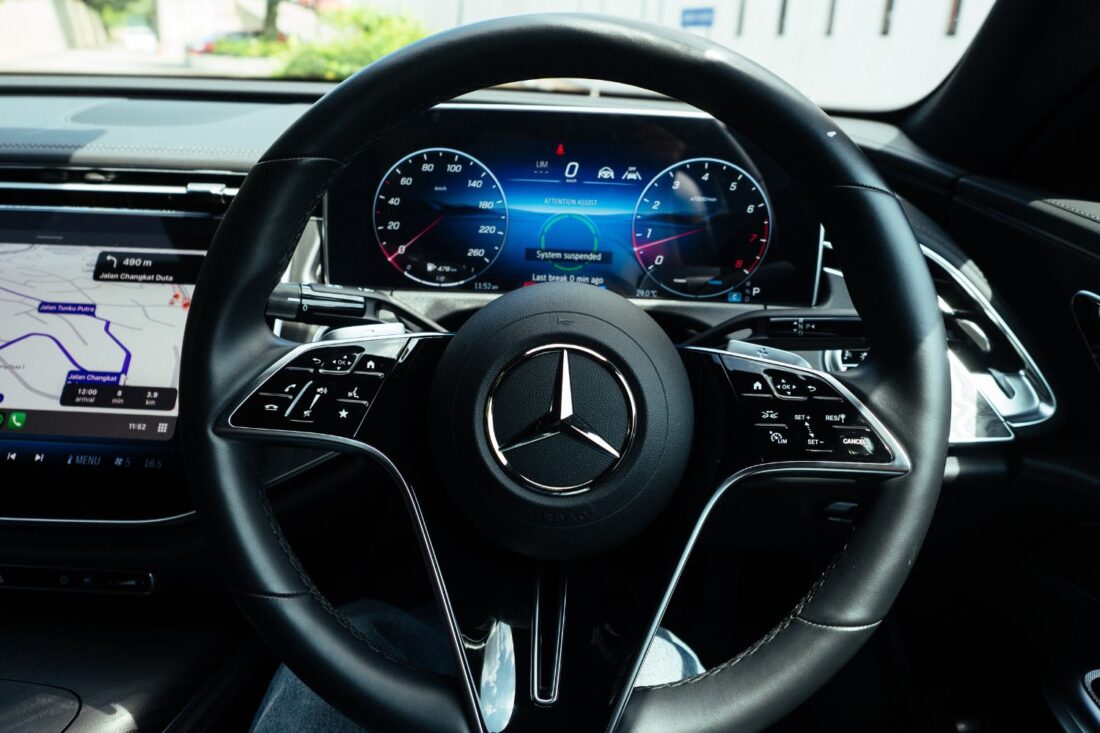
Driver-centric layout featuring easy-access steering wheel controls for cruise control.
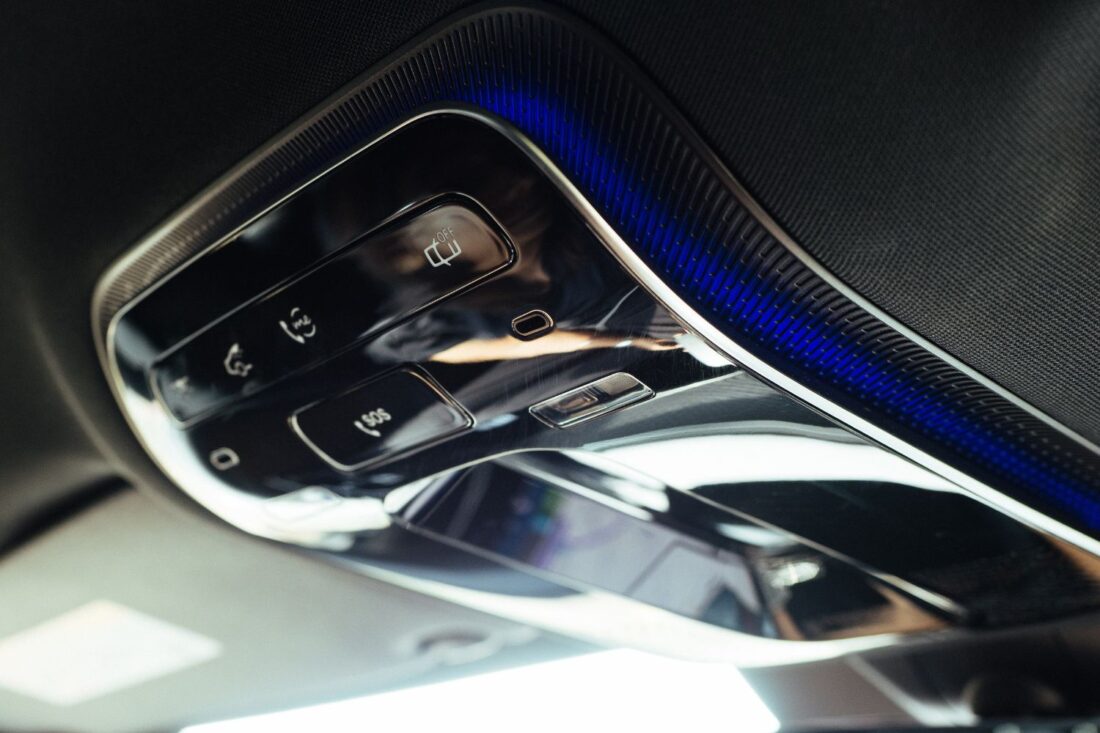
Overhead safety console featuring the dedicated SOS emergency call button.
While the E200 serves as the entry point into the new E-Class range, Mercedes-Benz delivers on the luxury promise in spades. The car comes standard with the full Driving Assistance Package Plus – a suite usually reserved for flagship models. This collection includes Active Distance Assist DISTRONIC, Lane Keeping Assist, and Blind Spot Assist, turning motorway commutes into near-autonomous experiences.
By reducing the cognitive load of urban travel, these features make the vehicle feel smaller and more manageable than its generous dimensions suggest. However, the vehicle’s protective instincts are tuned with an uncompromising sensitivity.
The sensors operate with a safety margin that can feel excessive for the tight gaps of urban traffic, occasionally triggering sudden braking that catches occupants off guard. While well-intentioned, these interventions can be jarring, creating a momentary fracture in what is otherwise a smooth drive.
The final word
The Mercedes-Benz E200 represents less of a compromise and more of a clear declaration of priorities, trading mechanical edge for a polished, digital-first existence. While the engine’s modesty and the chassis’ softness might seem like limitations to some, these are deliberate calibrations tailored to the car’s role as a long-distance specialist. By design, it remains the definitive, high-tech benchmark for an executive segment that now values composure over outright velocity.
Shots by Imran Sulaiman
Explore more motoring stories here.