








“Luxury and sustainability are not mutually exclusive. In fact, they can complement each other beautifully,” said Arnaud Girodon, CEO, Datai Hotels & Resorts.
The highest tier of modern hospitality has stopped treating environmental responsibility as a conscious trade-off. Instead of parading their green credentials, the best hotels now engineer sustainability into their foundations, delivering indulgence while keeping the mechanics completely out of sight.
For years, sustainability in hospitality was proudly on display. Guests routinely encountered placards urging towel reuse, cocktails served with wilting paper straws, and branded canvas bags handed out at check-in. The underlying message was loud and clear – we are doing good, and we want you to notice.
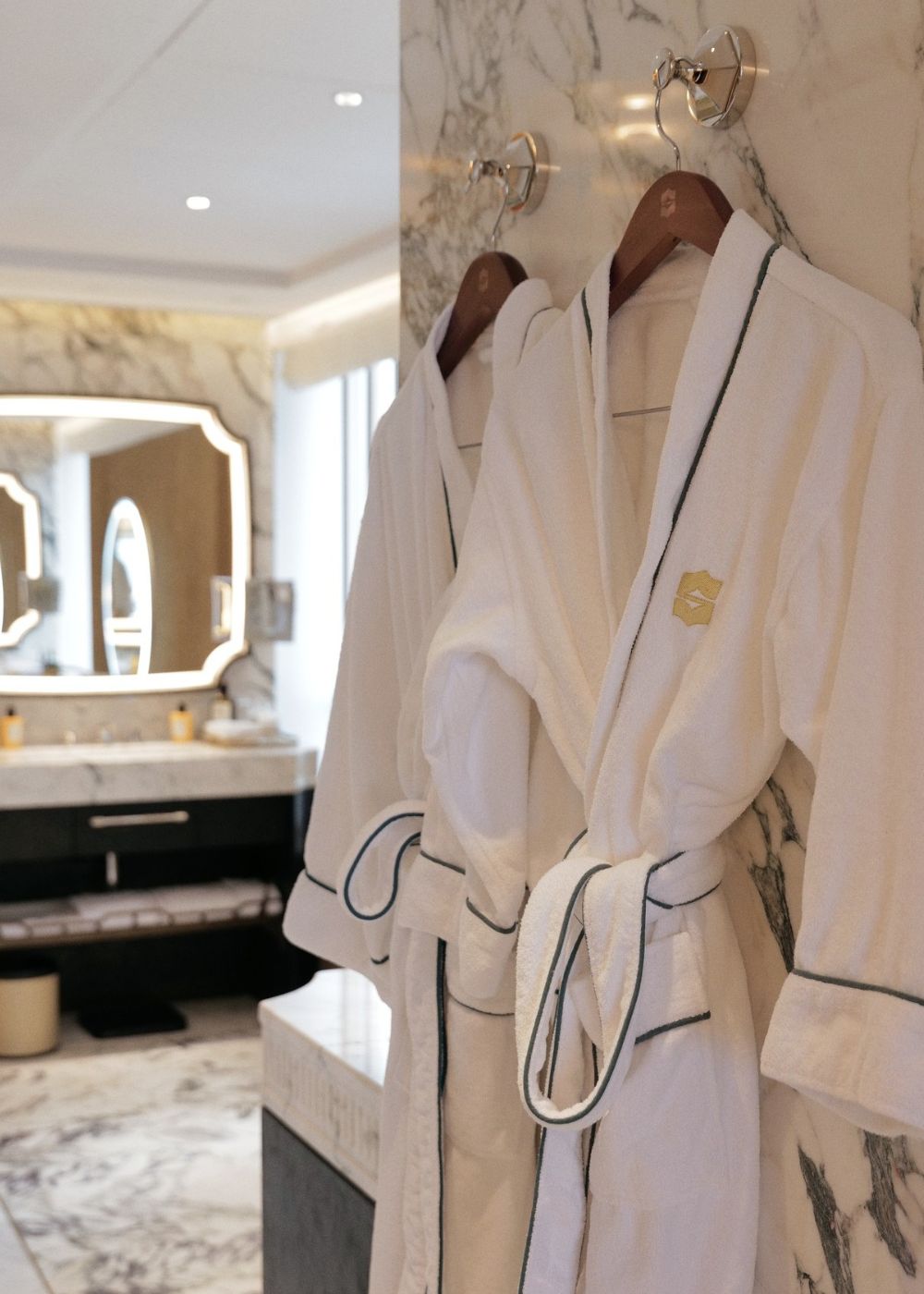
However, that era of performative sustainability has passed. Luxury properties no longer burden guests with environmental responsibility. Instead, sustainable practices are embedded behind the scenes. Guests enjoy the same plush towels, refreshing rain showers, and artfully curated tasting menus without needing to consider the sustainability measures that make such indulgence possible.
From carbon-neutral architecture to circular food systems, these seven shifts are quietly revolutionising hospitality’s environmental footprint.
1. Kitchens are growing their own herbs and microgreens on-site
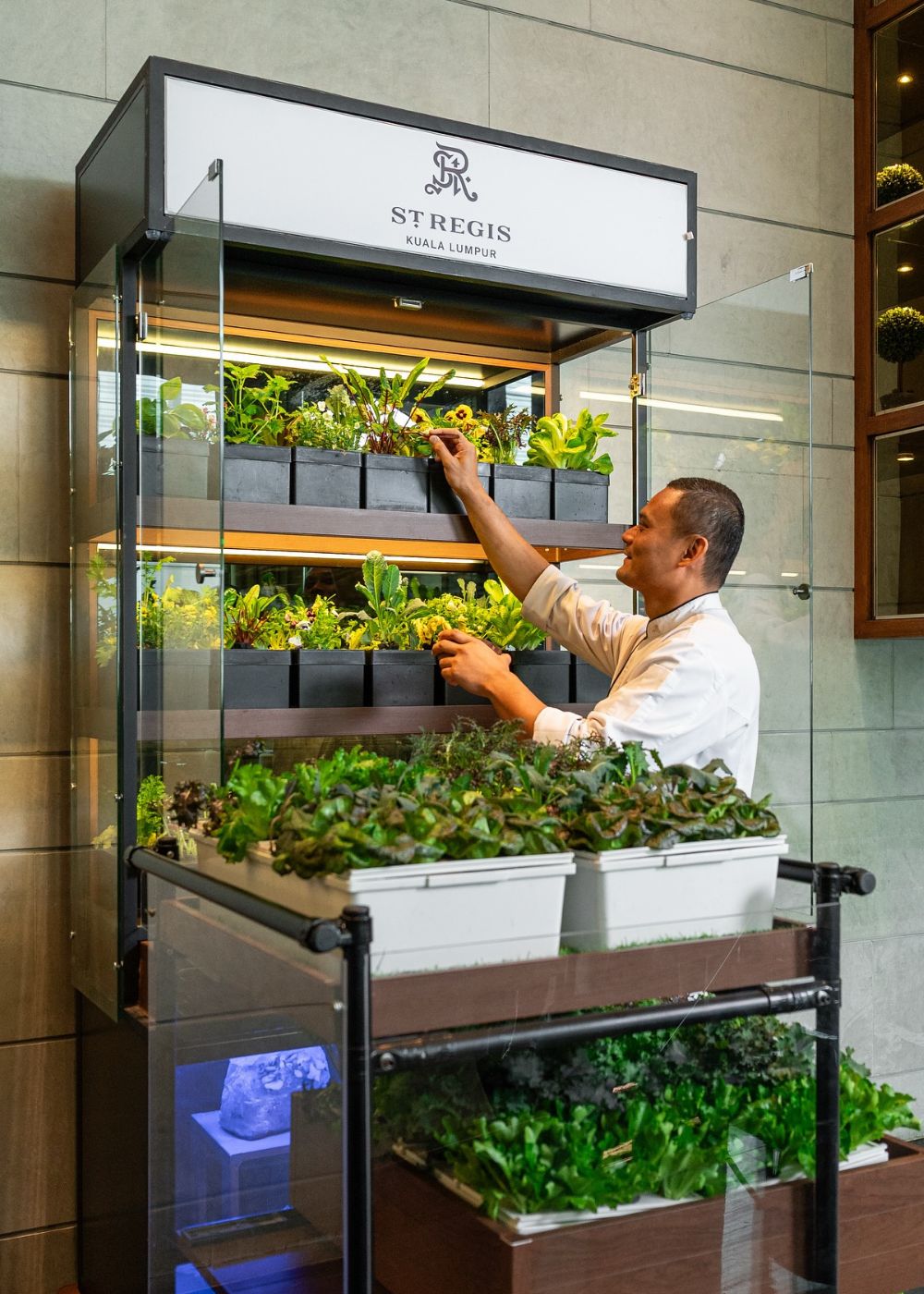
Step into The Brasserie at The St. Regis Kuala Lumpur, and you’ll likely receive a starter of basil leaves grown just steps away. By growing herbs and microgreens on-site, the all-day European restaurant delivers fresher flavours and reduces its environmental impact.
The logic is simple – the shorter the journey, the smaller the footprint. This directly reduces the need for lorries, refrigerated containers, and packaging required for long-distance transport. Given that food transport is one of the most carbon-intensive parts of the agricultural supply chain, this initiative provides a subtle yet effective climate solution.
2. Harvesting rainwater and recycling greywater across daily operations
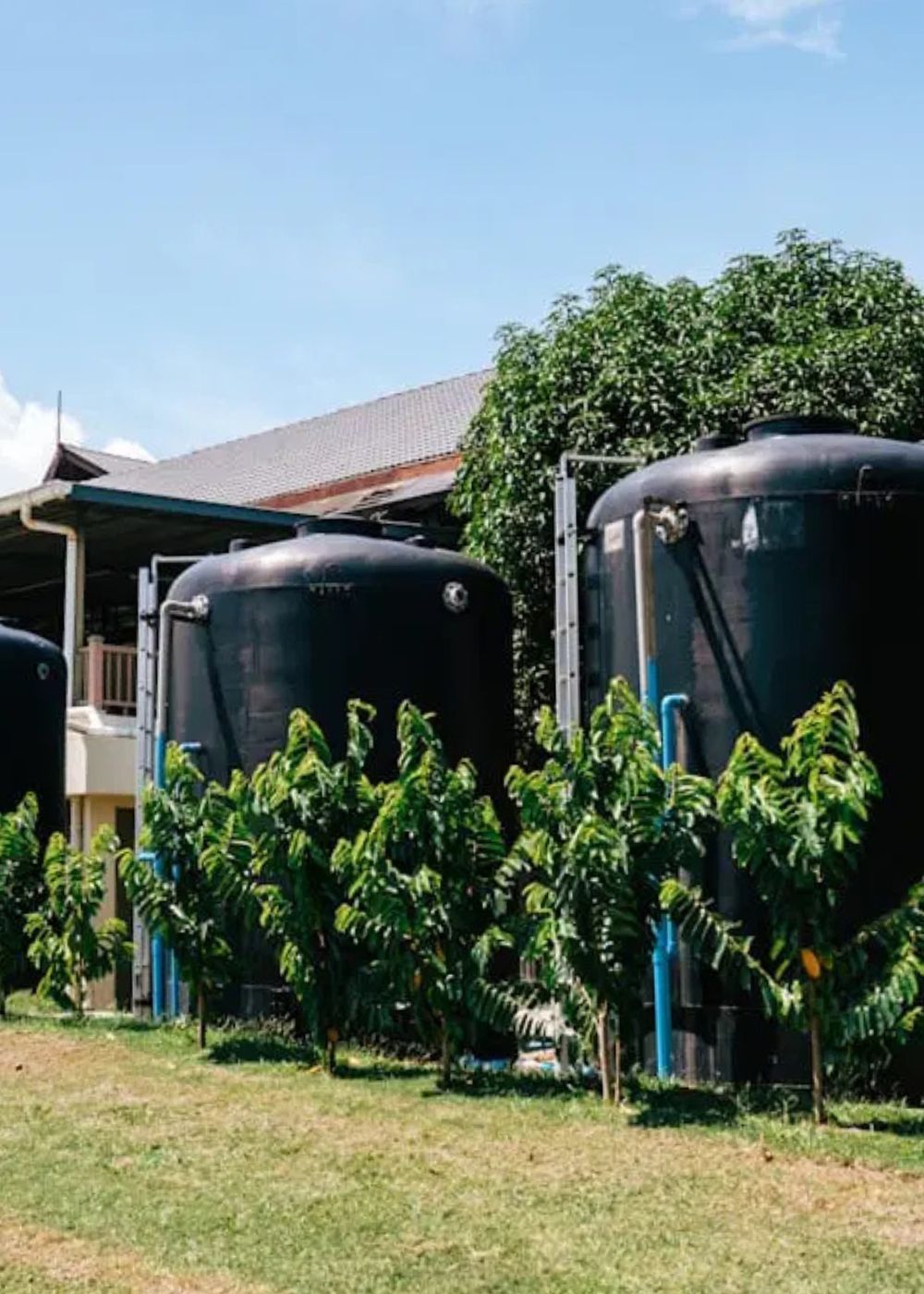
In some destinations, the average hotel guest consumes eight times as much water as the local community. However, in Kota Kinabalu, Shangri-La Rasa Ria is quietly overturning this narrative by revamping the resort’s water management.
Rainwater is now harvested for the gardens, while greywater from showers and sinks is treated and recycled rather than discarded. Together, these systems have reduced the property’s water consumption by over a quarter compared to 2019 – without asking guests to take shorter showers.
In a country where dry-season stress on water sources increases each year, every cubic metre saved remains in the local watershed.
3. Repurposing used glass bottles into construction materials
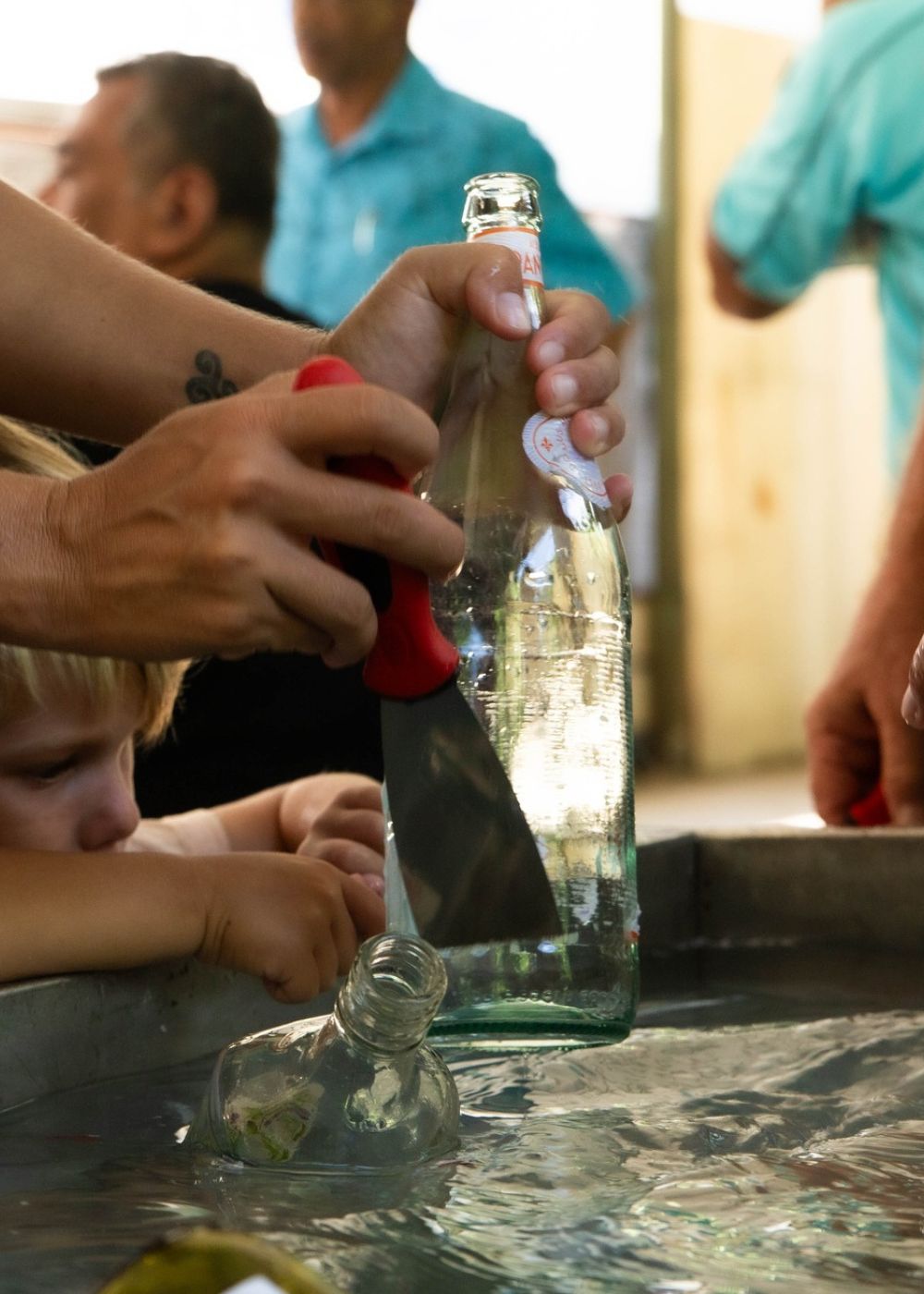
But the resort’s circular approach doesn’t stop at water – it has also found a permanent second act for its bar waste. In the past two years, ten tonnes of used glass have been processed through the resort’s Glass Bottle Recycling Programme.
The result – recycled sand, pressed into tiles and laid throughout the premises. Last year’s empty Chardonnay bottle is, in the most literal sense, this year’s terrace.
The environmental argument for this closed loop is clear – glass in landfills takes up to a million years to decompose, while sand, the material for construction, is now the second most extracted natural resource on Earth, after water. By mining its own bar for building material, the resort modestly eases pressure on both ends of the resource chain.
4. Removing single-use plastics from every touchpoint of the guest experience
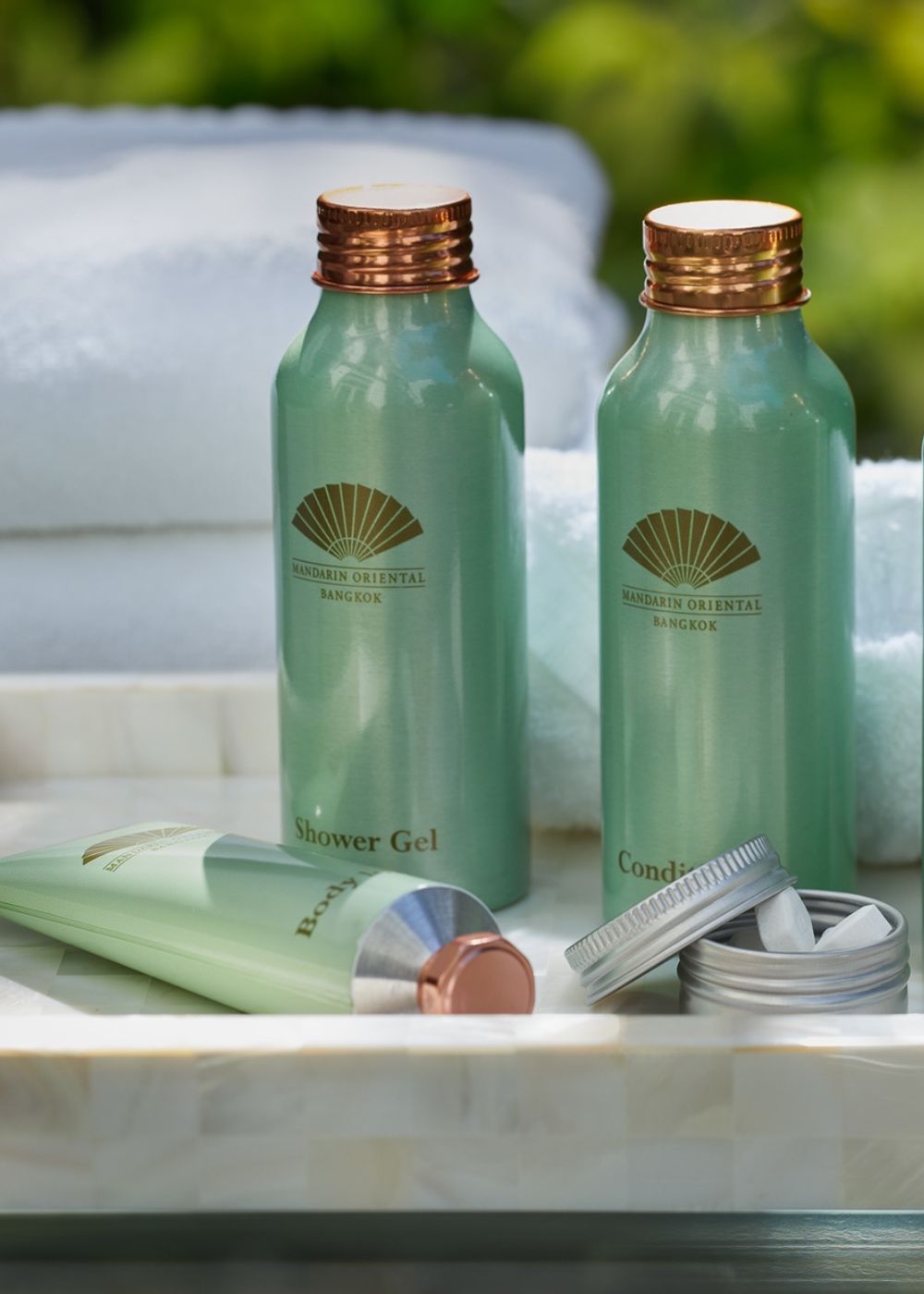
While some initiatives rebuild the physical environment, others promote sustainability in less visible ways. The Mandarin Oriental Group phased out single-use items like shrink-wrapped toothbrushes, miniature shampoos, plastic straws, and water bottles, and replaced them with refillable or compostable alternatives.
By the end of 2022, the group had eliminated 99% of single-use plastics across its global portfolio. This initiative addressed single-use plastics, which constitute half of global plastic production and could outnumber fish in the oceans by 2050.
When a hotel group like Mandarin Oriental removes thousands of tonnes of disposable plastic from circulation every year, it proves that coordinated action is not just possible, but essential for the future of our oceans.
5. Installing smart energy-management systems and occupancy sensors
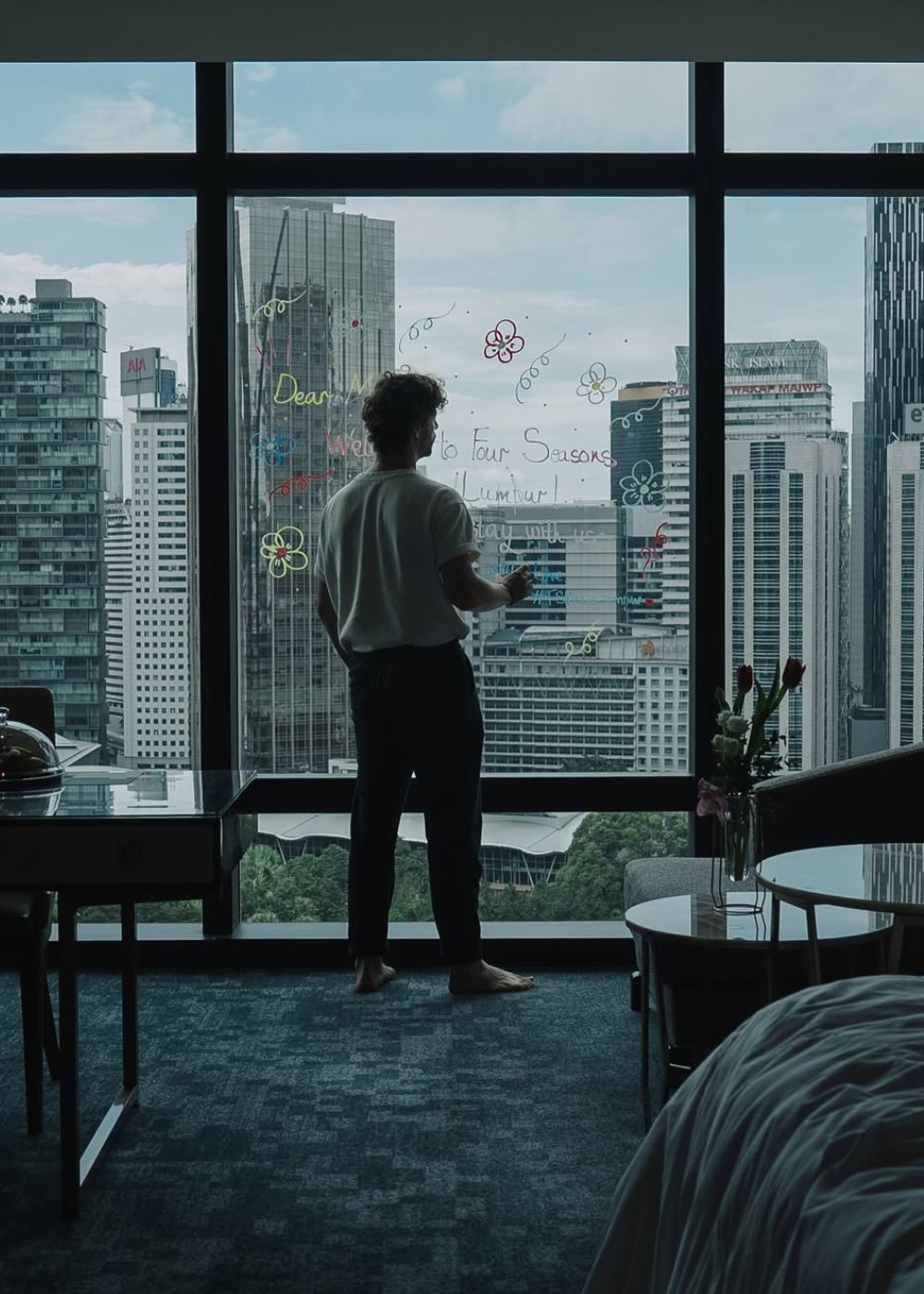
Closer to home, Four Seasons Hotel Kuala Lumpur uses smart room sensors to manage resources efficiently. By detecting occupancy, the system automatically adjusts lighting, climate, and power usage – scaling back energy when rooms are empty and restoring preferred settings the moment guests return.
While this lowers electricity consumption and emissions, the conservation remains invisible to the guest. The room simply greets them with ideal calibration upon entry.
Unsurprisingly, such smart-room systems are now leading the industry, reliably reducing per-room energy use by 20 to 30% while leaving the five-star experience uncompromised.
6. Menus designed to reduce food waste, with kitchen scraps composted or upcycled

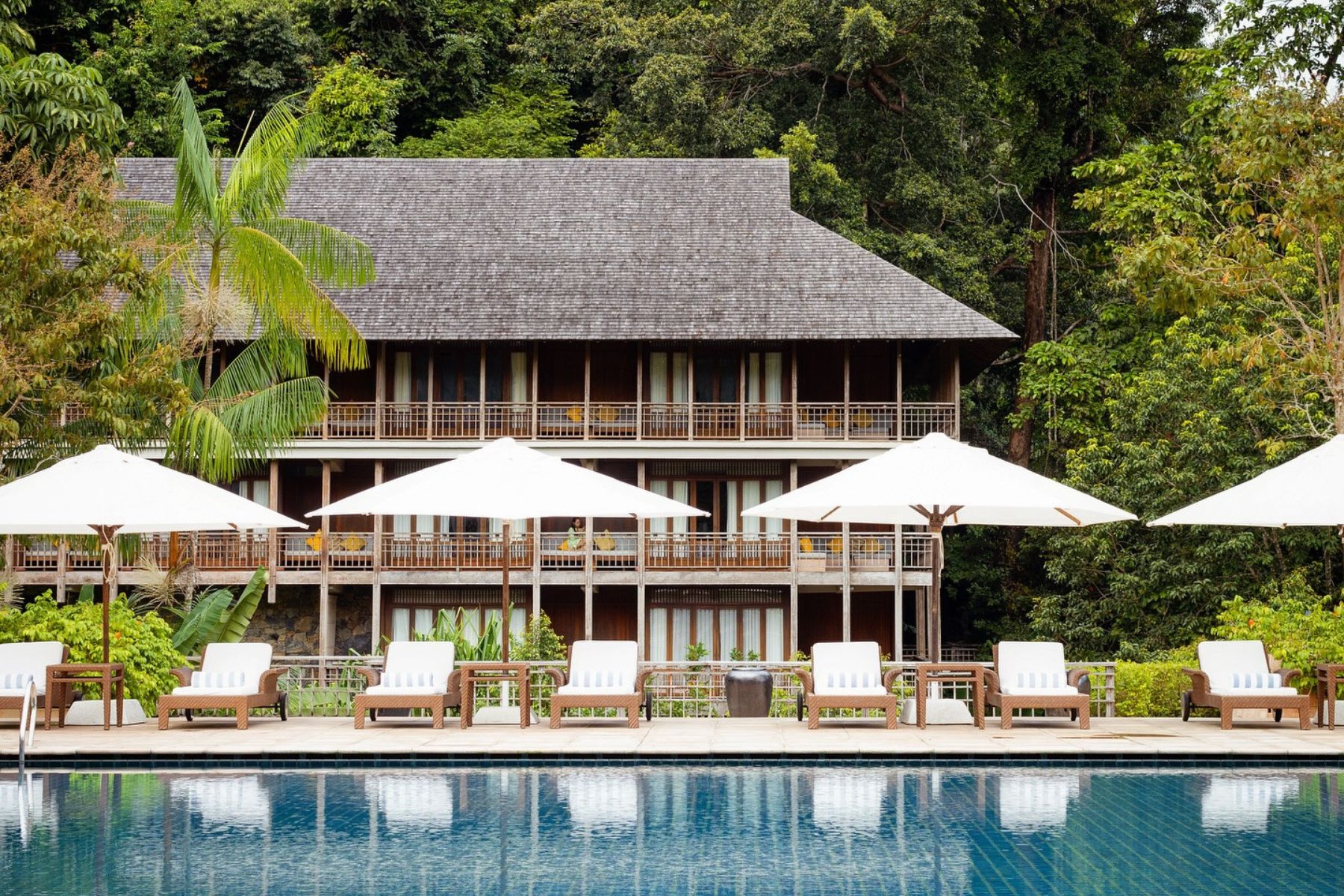
Since December 2021, The Datai Langkawi has been operating under a rule most kitchens would consider impossible – nothing leaves the property as landfill waste.
Vegetable peelings, coffee grounds, plate scraps, garden trimmings – all of it is processed on-site at the resort’s Organic Wealth composting facility, where it becomes soil for the next generation of herbs and produce.
The figure speaks for itself – more than 98 per cent of the property’s solid waste is now diverted from landfills. This local success highlights a pressing national challenge, Malaysians produce around 17,000 tonnes of food waste daily, while nearly a quarter of it is still fit for consumption.
Instead of being repurposed, this waste ends up in landfills, generating methane and leaching into rivers. By fully closing its own loop, the resort models on a small scale what a national waste system could one day achieve.
7. Protecting biodiversity on and around the property
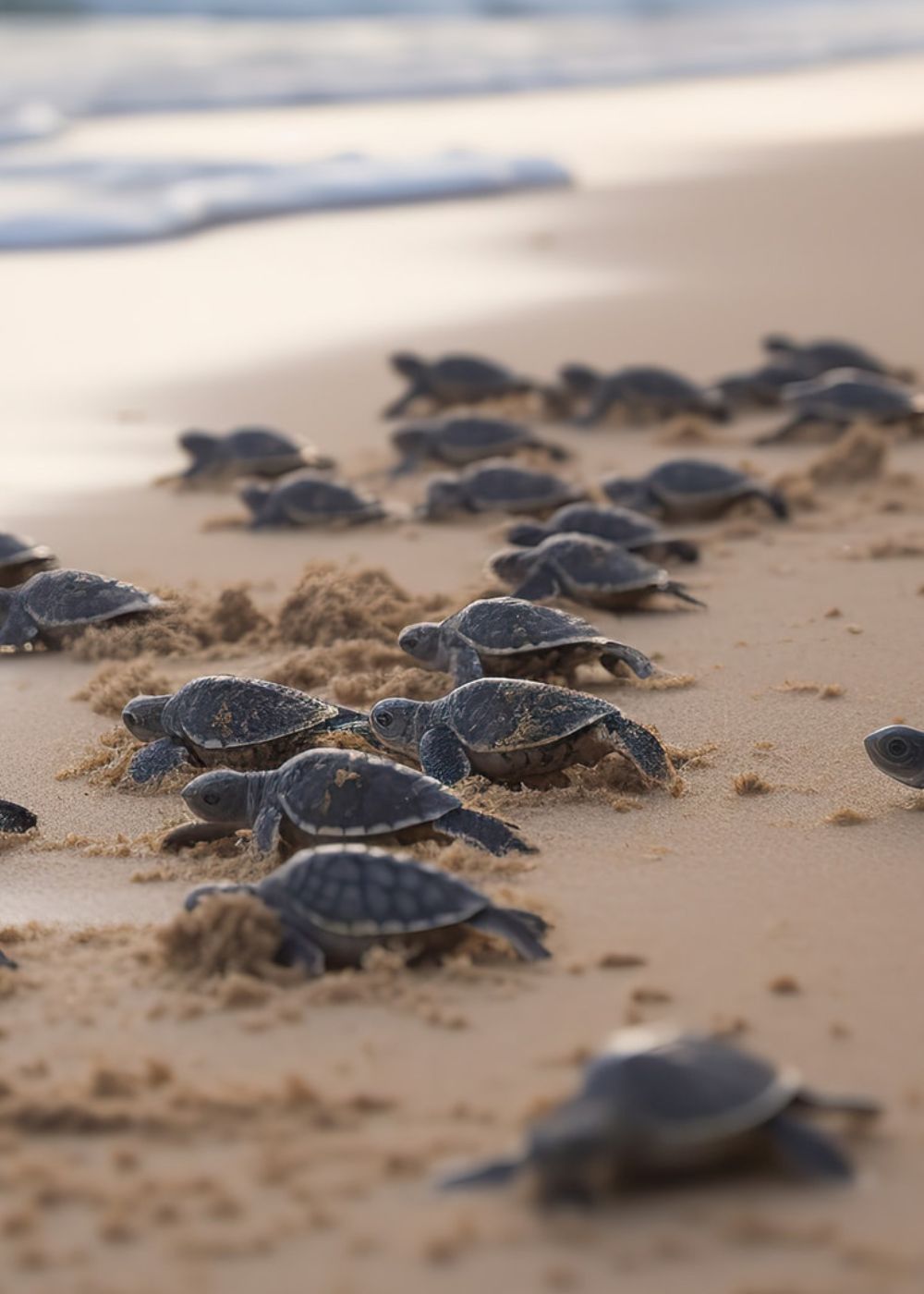
Some forms of preservation simply cannot be automated. On the beaches of Dungun, Tanjong Jara Resort runs a sea turtle hatchery in partnership with PULIHARA, relocating vulnerable nests away from poachers and giving each clutch a fighting chance of reaching the water.
With Malaysia’s east coast remaining one of the last regional nesting grounds for several endangered turtle species, this is the most hands-on initiative on this list.
It is arguably the most deeply felt, too – a reminder that some kinds of protection don’t scale through technology, only through people willing to show up, season after season.
Pull the seven initiatives together, and an understated philosophy by Girodon comes into view – that the environment and the guest experience are not opposing forces to be balanced, but the same idea seen from two angles. Whether it is the bottle that becomes a tile, representing recycling, the water that runs twice, illustrating water conservation, or the kitchen that finishes what it begins, signifying minimal waste, none of it compromises the experience.
Its invisibility is intentional, but its effects are far-reaching.
Photos courtesy of the respective hotels
Read more travel stories here.