








The Chinese New Year festivities may be over, but the Year of the Horse has just begun. In the Chinese zodiac, the Horse symbolises speed, strength, elegance, and an unbridled spirit – qualities that resonate with the world of luxury. It’s no coincidence that some of the most recognisable fashion maisons carry equine emblems as part of their DNA.
Among all the creatures in the animal kingdom, the horse is arguably the most enduring for heritage fashion houses. While trends rotate and monograms refresh, several of fashion’s most established brands continue to anchor their identity in equestrian imagery. Rather than seasonal symbolism or nostalgic embellishment, these maisons embed the horse into their design codes and brand language.
Whether as an homage to the aristocratic sport of polo or an embodiment of discipline and craftsmanship, we revisit the brands whose visual identities are intrinsically tied to the horse.
Hermès
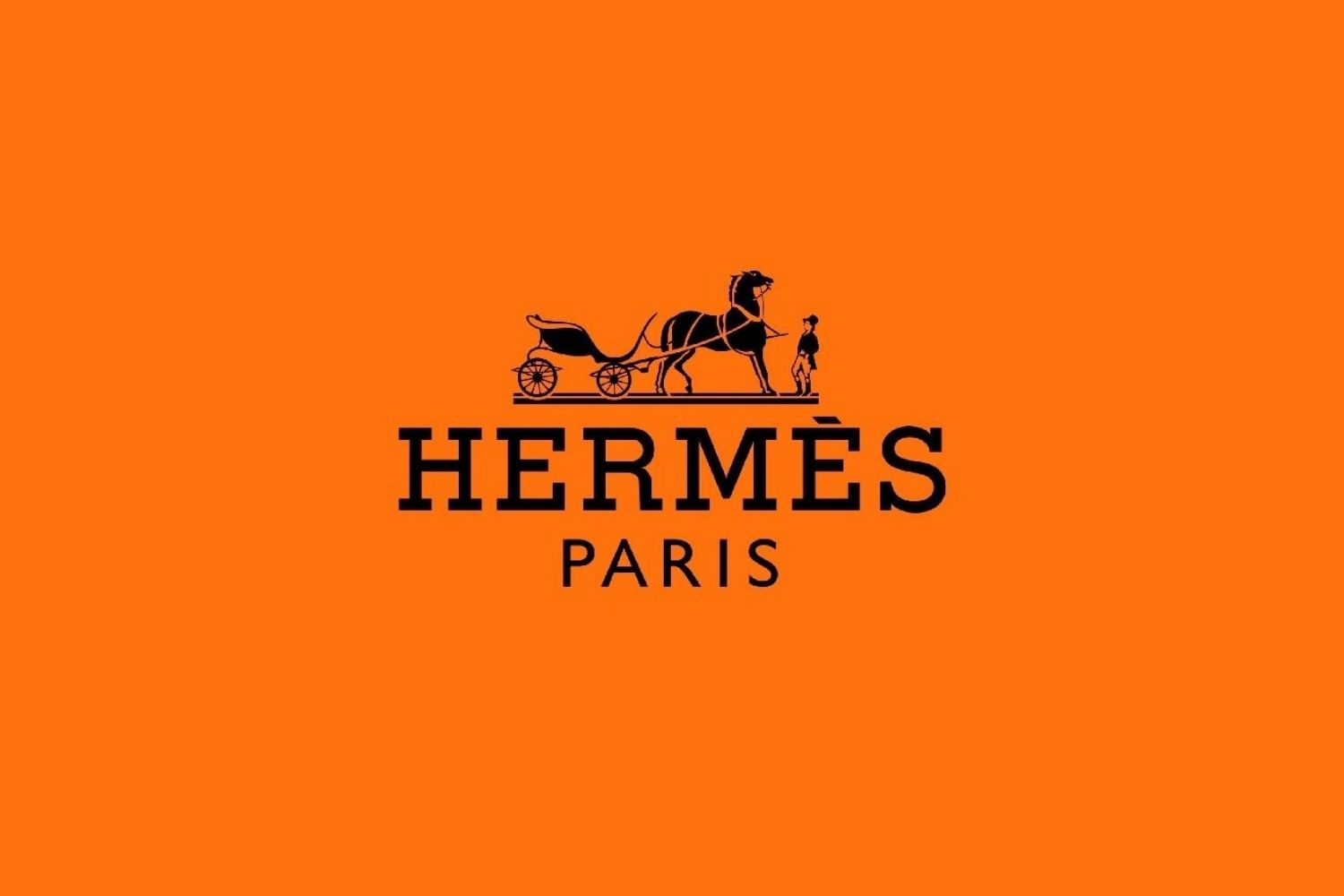
No equestrian narrative in fashion is complete without Hermès. Founded in 1837 as a harness and bridle workshop, Hermès began by crafting bridles, harnesses, and saddles for European aristocracy. The house built its reputation on exceptional leather craftsmanship – producing durable, finely constructed equipment for controlling powerful horses at speed.
Today, the maison’s origins remain visible in its logo, introduced over a century later in the 1950s: a Duc carriage with horse and groom. It represents the maison’s role in providing the craft while the wearer completes the story. From signature saddle stitching to silk scarves that reinterpret bridles and harnesses through intricate graphic compositions, Hermès’ modern luxury still traces directly back to its origins in the riding world.
Ralph Lauren
If Hermès represents European equestrian heritage, then Ralph Lauren transformed it into a distinctly American aspiration. Introduced in 1972 on the sleeve of the brand’s now-iconic polo shirt, the embroidered figure depicts a rider poised mid-swing during a polo match – a sport historically associated with aristocracy, leisure, and social prestige.
Beyond the sporting reference, the polo pony came to symbolise an entire cultural narrative – one defined by Ivy League style, country estates, and understated elegance. By placing equestrian sport at the centre of its branding, Ralph Lauren transformed a niche pastime into a globally recognisable emblem of classic luxury.
Burberry
Burberry’s Equestrian Knight Device (EKD), first registered in 1901, depicts a mounted knight carrying a banner emblazoned with the word “Prorsum” (Latin for “forward”). The emblem reflected the brand’s origins as an outfitter for explorers, officers, and adventurers who relied on Burberry’s weather-resistant garments in demanding conditions.
The horse in the logo represents movement, resilience, and progress – qualities that align with the house’s legacy. Though Burberry has refreshed its visual identity over the decades, the continued presence of the knight reinforces the brand’s connection to British history and its enduring equestrian symbolism.
Coach
Founded in 1941 in New York, Coach began as a small workshop where six artisans handcrafted leather goods in a Manhattan loft. The brand built its reputation on a distinctive glove-tanned cowhide inspired by the supple yet durable qualities of a well-worn baseball glove, resulting in leather that was both soft and resilient.
The house’s equestrian imagery emerged later through Coach’s iconic horse-and-carriage logo, first introduced in the late 1950s. A nod to the horse-drawn carriages once seen on the streets of New York, the emblem also reflects leathercraft’s historical ties to saddlery and bridles. Today, the motif appears across bags, wallets, and packaging – serving as a subtle reminder of Coach’s heritage as the Original American House of Leather.
Longchamp
Longchamp takes its name from the famed Longchamp Racecourse in Paris, one of the most prestigious venues in French horse racing. Founded in 1948 by Jean Cassegrain, the brand initially specialised in leather-covered pipes before expanding into leather goods and accessories.
The house’s galloping horse logo pays homage to the racecourse and reflects the energy and dynamism of the sport. Today, that emblem appears across Longchamp’s handbags and accessories, reinforcing the brand’s Parisian heritage while symbolising motion and modernity.
Plus: Other notable horse-inspired codes
Aside from the maisons above, a few fashion houses incorporate horse imagery in their logos or design DNA to reflect craftsmanship and symbolic storytelling.
Gucci
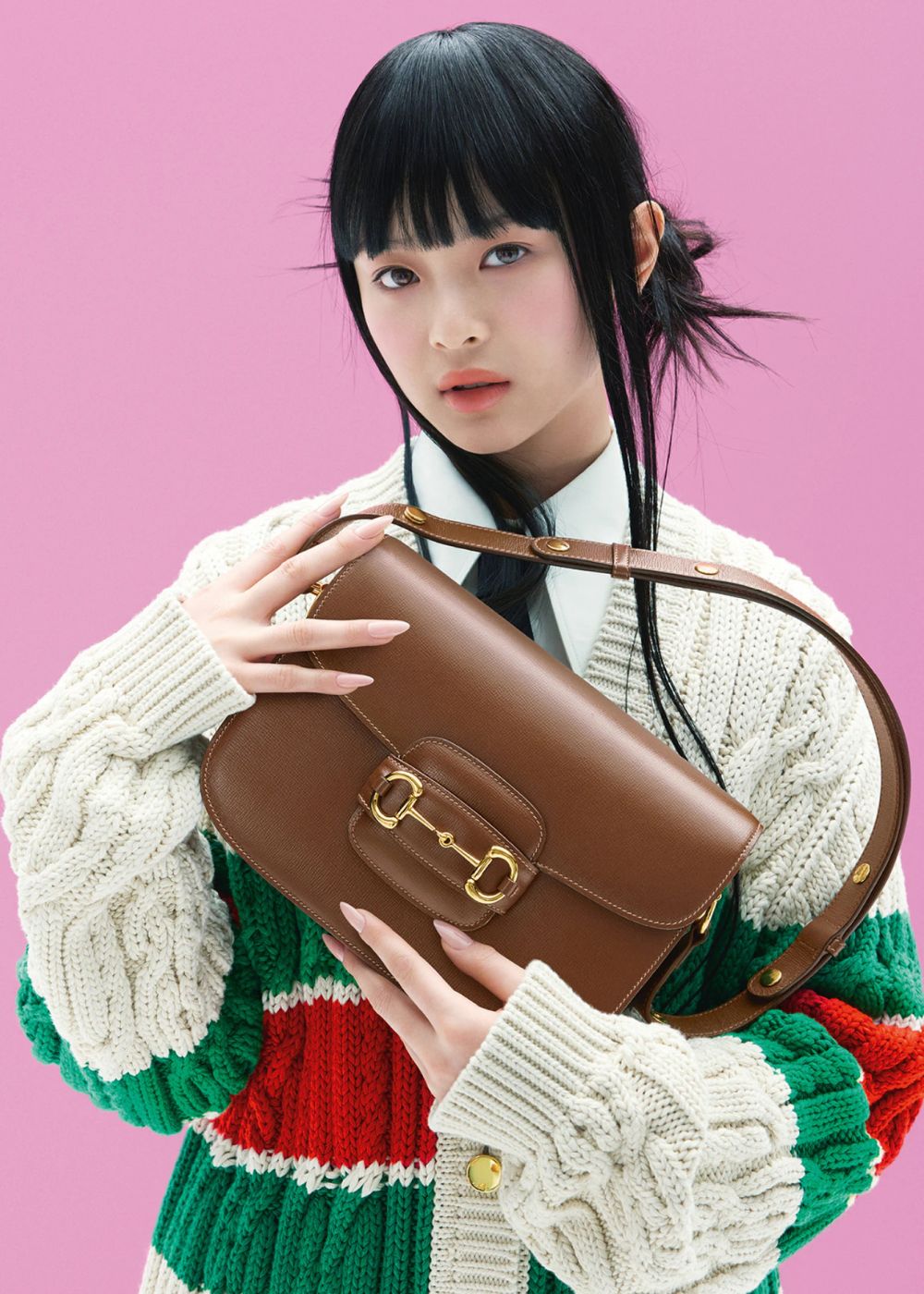
Gucci’s horsebit hardware, introduced in the 1950s, remains one of the most recognisable design elements in luxury fashion. Inspired by the metal bits used in horse bridles, the motif reflects the brand’s early connections to Italy’s equestrian culture and its clientele among the European elite.
The horsebit first appeared on Gucci loafers and later expanded into handbags, belts, and jewellery. Though the interlocking G monogram now dominates the brand’s visual identity, the horsebit remains a defining symbol of its heritage.
Etro

Etro offers a more mythological interpretation of the horse through its Pegasus emblem – the winged creature from classical Greek legend. Adopted in 1968, the logo reflects the house’s emphasis on strength, creativity, and artistic freedom.
Where other brands ground their equestrian codes in sport or saddlery, Etro turns the horse into a metaphor for its spirit of exploration. Rendered on garments, bags, and accessories, Pegasus infuses collections with a mythical allure that aligns with the house’s signature paisleys and richly textured textiles. The result is an emblem that feels less about lineage and more about artistic flight – a reminder that symbolism evolves alongside design language.
Read more fashion stories and updates here.