




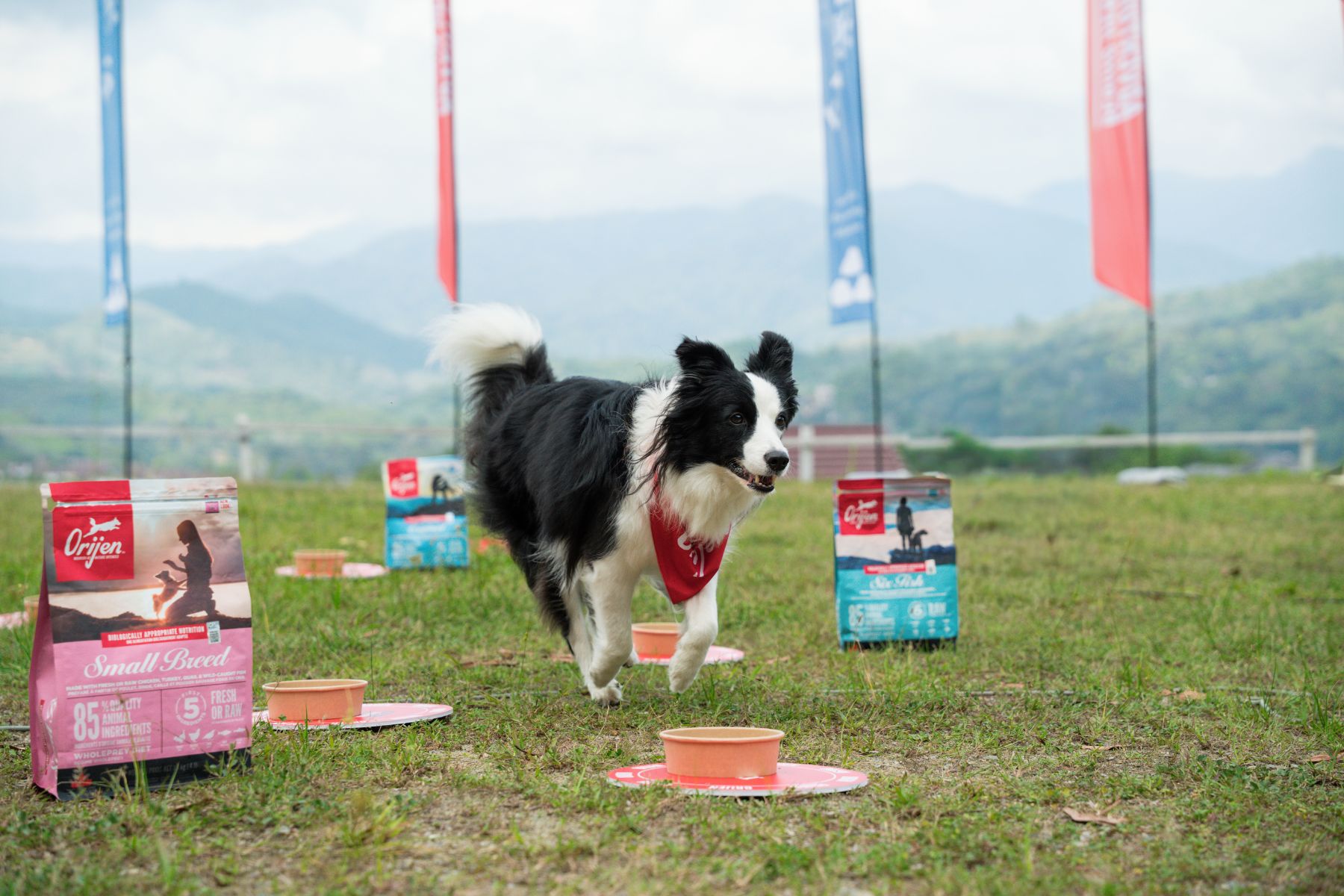






All pet owners share one thing in common: we want to give our furry companions the best life. We often spend a lot of time (and money) choosing the right diet, toys, and routines for our cats and dogs, but how much of it is actually quided by what they need, rather than what we think is best?
The reality is, many pet owners are making decisions based on habit, marketing, or convenience, often without fully understanding how those choices affect their pet’s long-term health. It’s a gap that continues to shape everything from nutrition to mobility and overall wellbeing.

This was precisely the conversation at the heart of the recent Vitality Re-Treat by ORIJEN (distributed locally by CPS Marketing) and brought to life by Pawliday Club, where experts and pet parents came together to unpack the fundamentals of pet wellness. Rather than presenting quick fixes, the retreat offered practical, expert-led insights designed to help owners make more informed, intentional choices for their pets.
From decoding nutrition labels to rethinking exercise and daily habits, here are five key lessons that stood out.
https://www.instagram.com/p/DV2eqp3k2Ta/
1. Nutrition is the foundation of everything
For many pet owners, choosing dog food often comes down to branding or price point. According to Dr. Shaleni A. Karunanithi, a veterinary pharmacist and proud pet parent, that approach can overlook what matters most. “We need to move beyond marketing labels and start understanding ingredient lists,” she explains. “The quality and source of protein, as well as transparency in labelling, play a crucial role in long-term health.”

Dr. Shaleni advises pet owners to avoid the following dog food labels: artificial preservatives (BHA, BHT, ethoxyquin); fillers (corn, wheat, soy); unnamed meat sources (like “meat meal” instead of “chicken meal”); and artificial colours or flavours. Instead, look for high-protein options with ingredients like chicken, beef, or fish listed at the top of the list.
For example, ORIJEN pet foods are based on Biologically Appropriate nutrition, featuring WholePrey animal ingredients to provide protein-rich diets for your dog and cat. This is crucial for fuelling energy, building and repairing muscles, supporting immune function, and maintaining healthy skin and coat.
2. Grooming is not just for aesthetics
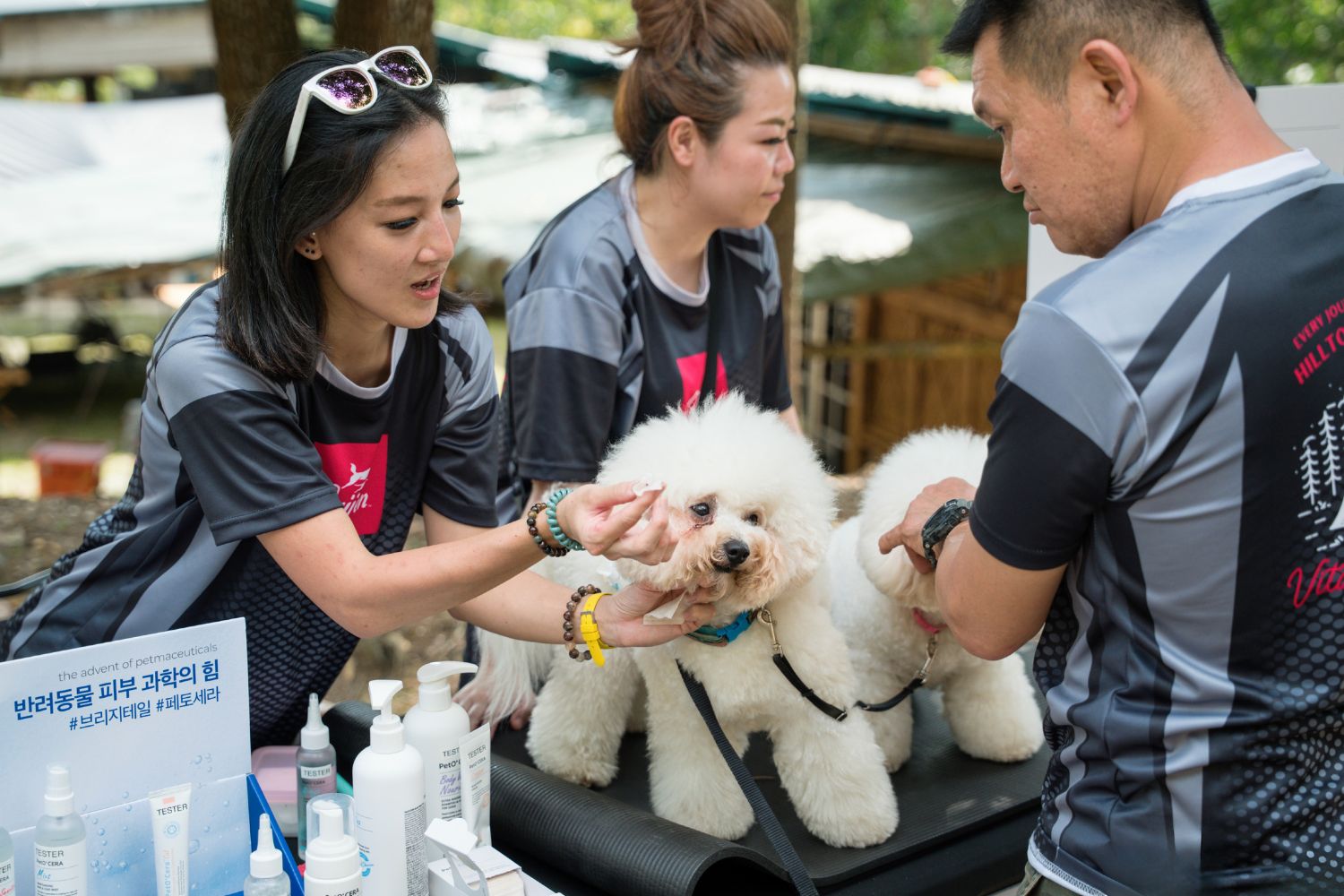
While often seen as a cosmetic routine, grooming plays a more important role in a dog’s wellbeing than just maintaining appearance. Simple habits like brushing, checking the ears, or maintaining coat hygiene can reveal early signs of underlying problems.
Just like humans, proper grooming ensures comfort and influences health to a certain extent. If left unchecked, issues like matted fur or overgrown nails can affect posture, movement, and even behaviour. Hence, regular grooming is another way for pet owners to stay in tune with their dog’s condition.
3. Preventative care starts earlier than you think

One of the recurring themes throughout the retreat was the importance of early intervention. Rather than waiting for visible issues to arise, experts emphasised building strong foundations from the start – even as young as the puppy stage.
According to Nicholas Fah Guo Yuen, director and chiropractor at Parkcity Chiropractic, smaller breeds tend to have issues with their knees, while larger dogs may develop joint issues in the hips. Hence, performing regular checks on your pet’s muscles and posture is essential to ensure they are distributing their weight equally as they grow.
“Preventative care isn’t just for senior pets,” he says. “Simple habits like maintaining a healthy weight, encouraging regular movement, and supporting joint health early can significantly improve quality of life later on.” It’s a mindset shift that also reflects human wellness trends: investing in health before problems surface.
4. Engaging the right muscles through exercise

Taking your dog for daily walks is one thing, making sure they exercise correctly is another. When it comes to physical activity, it’s equally important to ensure your pet is using the right muscles, effectively. For instance, June Wong, a canine strength and conditioning trainer, said that dogs may sometimes drag their paws when they walk instead of lifting them.
To curb this, she recommends guiding your dog at a slow trot over a cavaletti (or any raised poles/brooms you may have at home). Other simple exercises include sit-to-stands and three-legged stands, which help to improve core strength and stability.
5. Bonding is a pillar of wellbeing
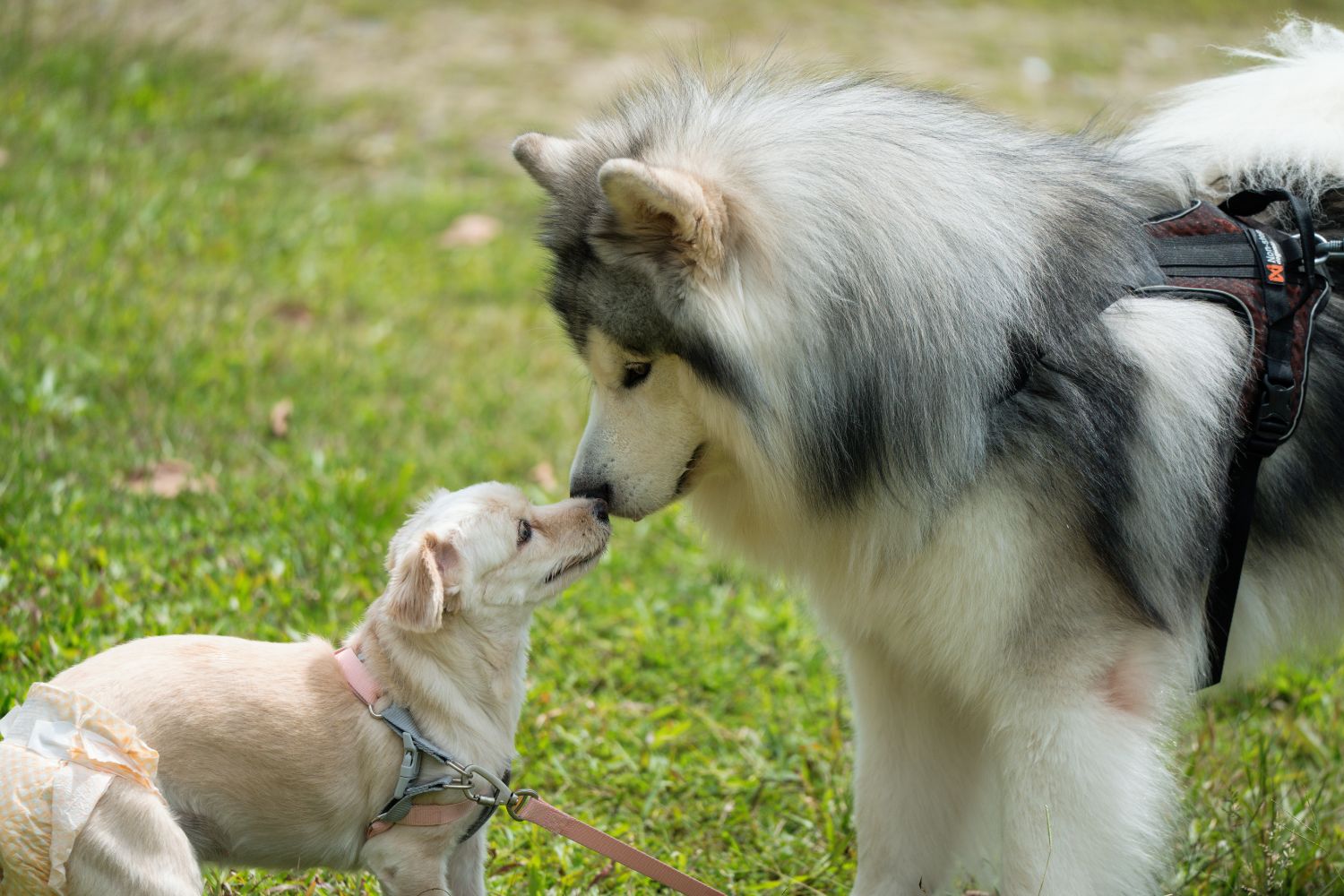
Beyond structured routines, the experience highlighted something instinctive – dogs are at their best when they’re allowed to engage with their natural environment. Set in the verdant hills of Bentong, the retreat encouraged dogs to run, explore, and interact freely – activities that support both physical and mental wellbeing.
After all, dogs thrive on engagement and connection. Time spent outdoors with your pets, combined with meaningful interaction, reduces their stress and supports both physical and emotional health. In many ways, wellness can be as simple as going back to basics: movement, stimulation, and shared experiences in nature.
For more information about ORIJEN, visit their website here.
Browse more wellness stories here.
Photos courtesy of ORIJEN and Pawliday