




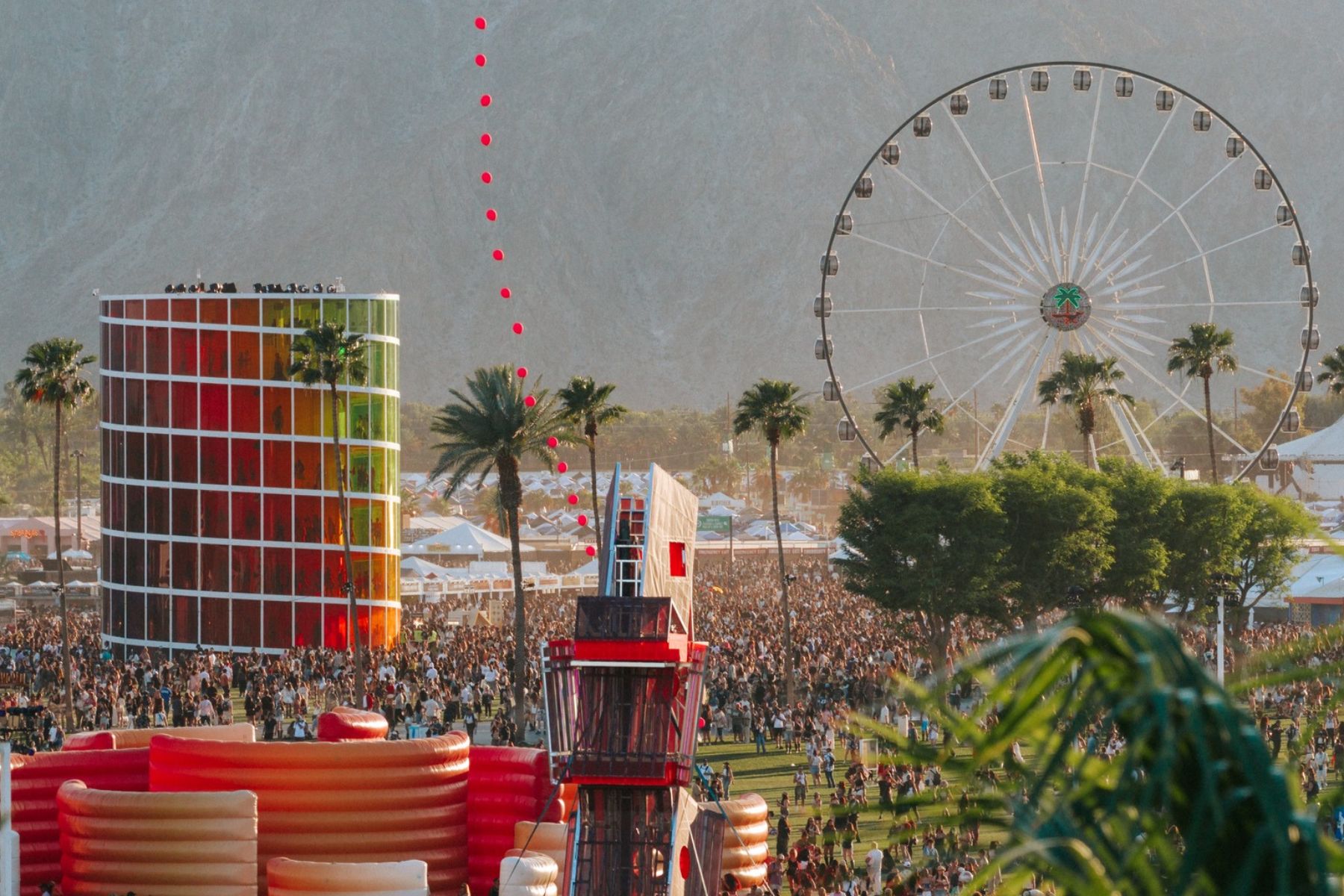


This is Coachella in 2026, and the music is no longer the sole point. What began in 1999 as a counterculture music event in the California desert has, over a quarter of a century, quietly become something stranger and more lucrative. It is now the most concentrated marketing moment on the global lifestyle calendar, a two-weekend trade show with a soundtrack, and the brands writing the cheques understand exactly what they are buying.
From boho field to cultural stage
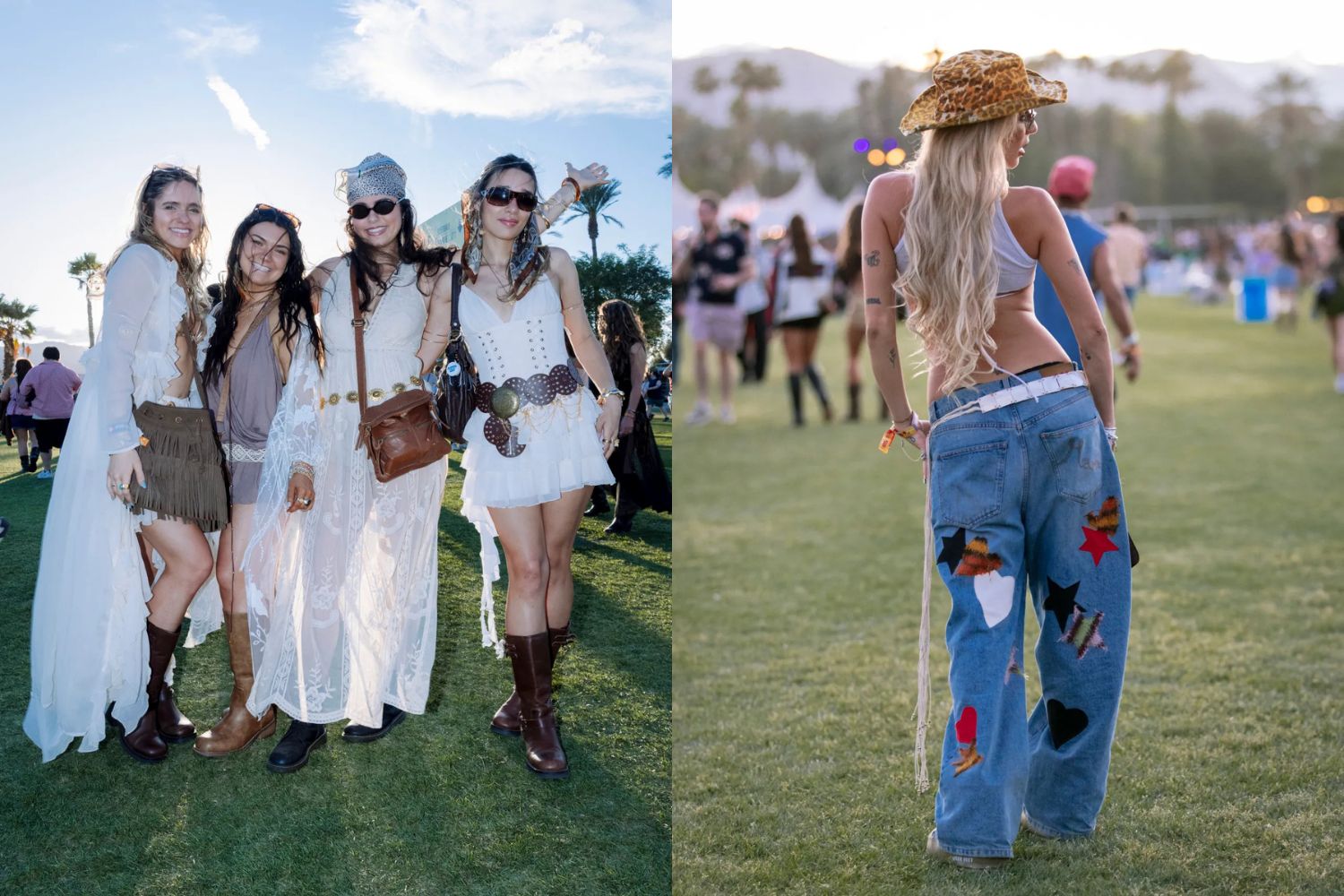
The shift did not happen overnight. Throughout the 2000s, Coachella was a music festival that happened to have good photographs attached to it, and by the early 2010s, those photographs had become the point. Festival fashion – fringe vests, flower crowns, the whole sun-bleached vocabulary – was the first commercial language the event spoke fluently, and the influencer economy that grew up around it turned the polo field into an open-air editorial set.
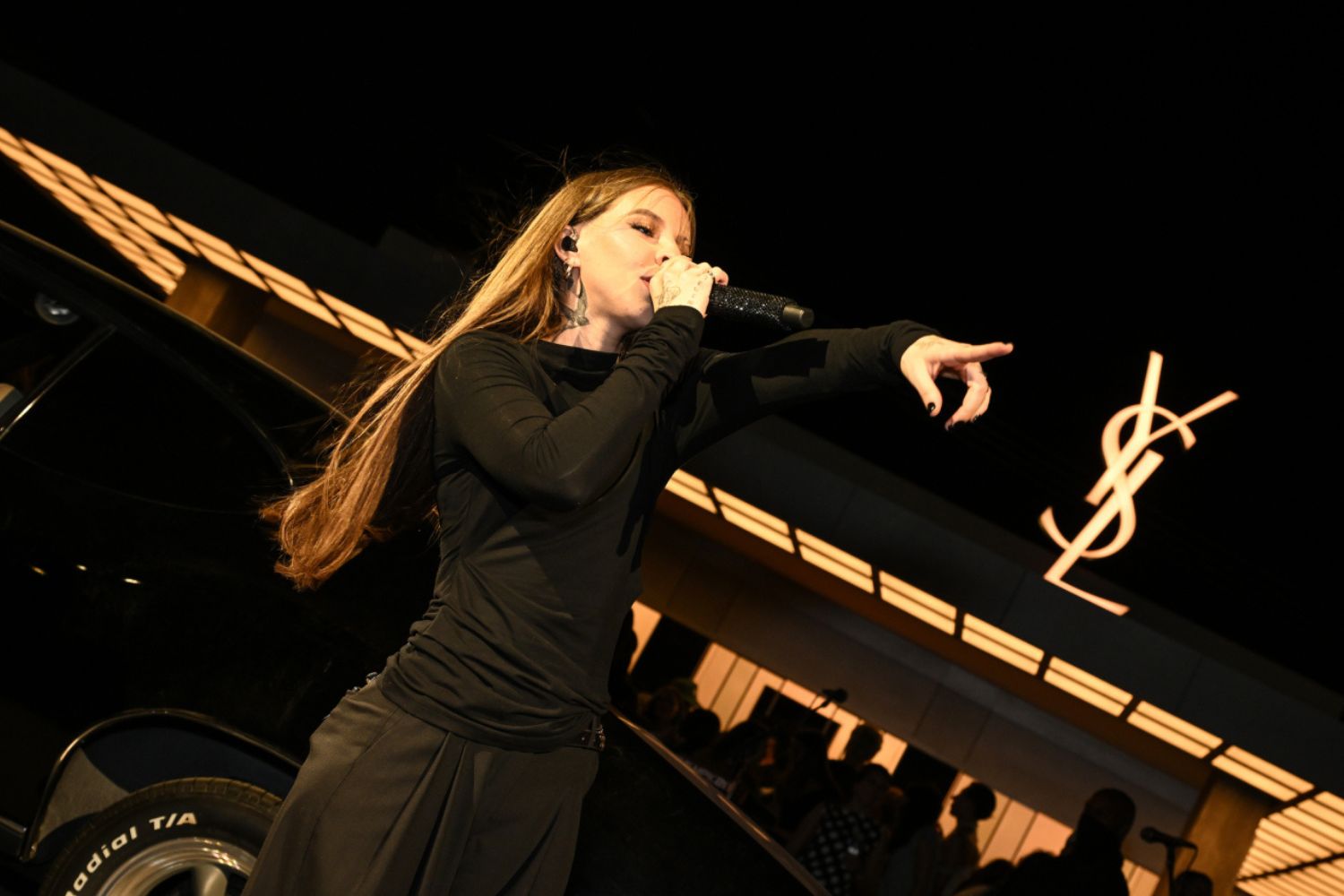
The real inflection arrived when the luxury houses stopped watching from the sidelines. Saint Laurent expanded its presence from dressing headliners to building immersive consumer touchpoints like the YSL Beauty Drive-Thru with Young Miko. Celine and Louis Vuitton followed close behind, and side-stage guests started appearing in pieces that would not have looked out of place on a Paris runway a month earlier. Almost without anyone noticing, the festival graduated from a lifestyle moment into a fashion calendar fixture. What was once a boho field had become a red carpet in disguise.
An audience that arrives camera-ready
View this post on Instagram
To understand why brands now compete for space in the desert, it helps to look past the line-up and at the crowd. Coachella concentrates Gen Z and millennial consumers with disposable income, cultural fluency, and an unusually high propensity to post, and that demographic is the real product on offer. They arrive already styled, already performing, already producing content for audiences brands could otherwise only reach through expensive paid media.
This is the genius of the festival as a commercial environment. Attendees are not there to be marketed to – they are there to document themselves, and in doing so, they document everything around them. Every activation, every gifted outfit, every cocktail in a branded glass becomes part of a vast, distributed content operation that no marketing team could afford to staff.
The economics of earned attention
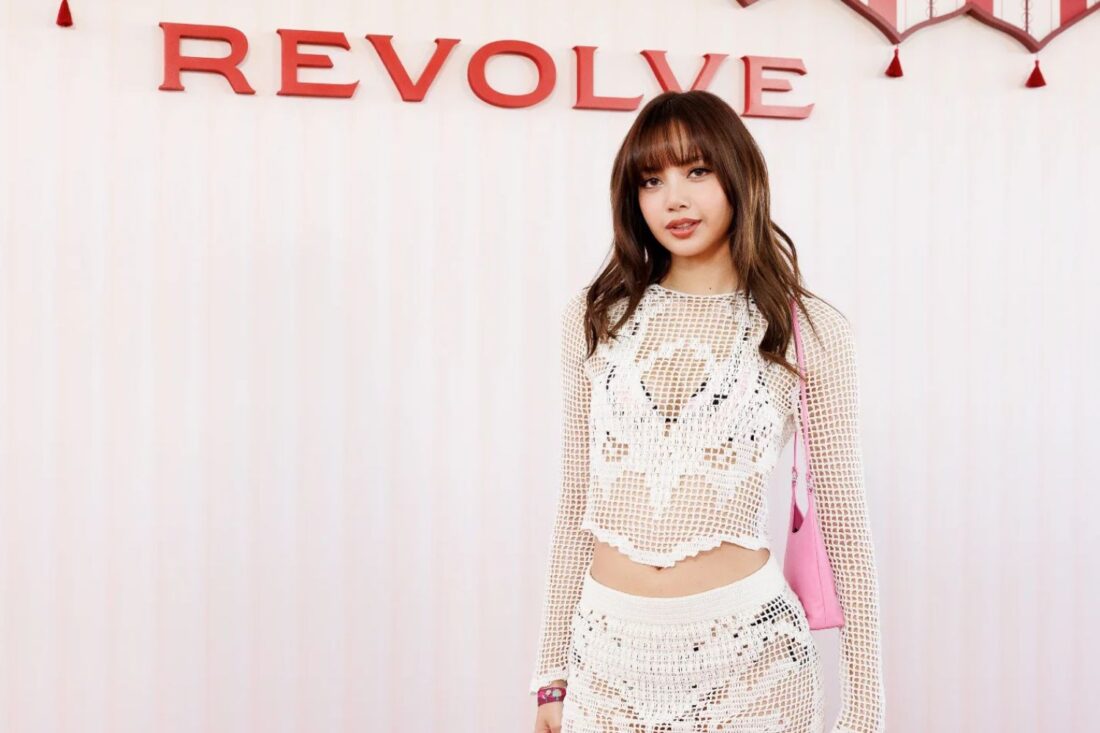
Blackpink's Lisa attended Revolve Festival at Coachella 2026. (Photo: Revolve)
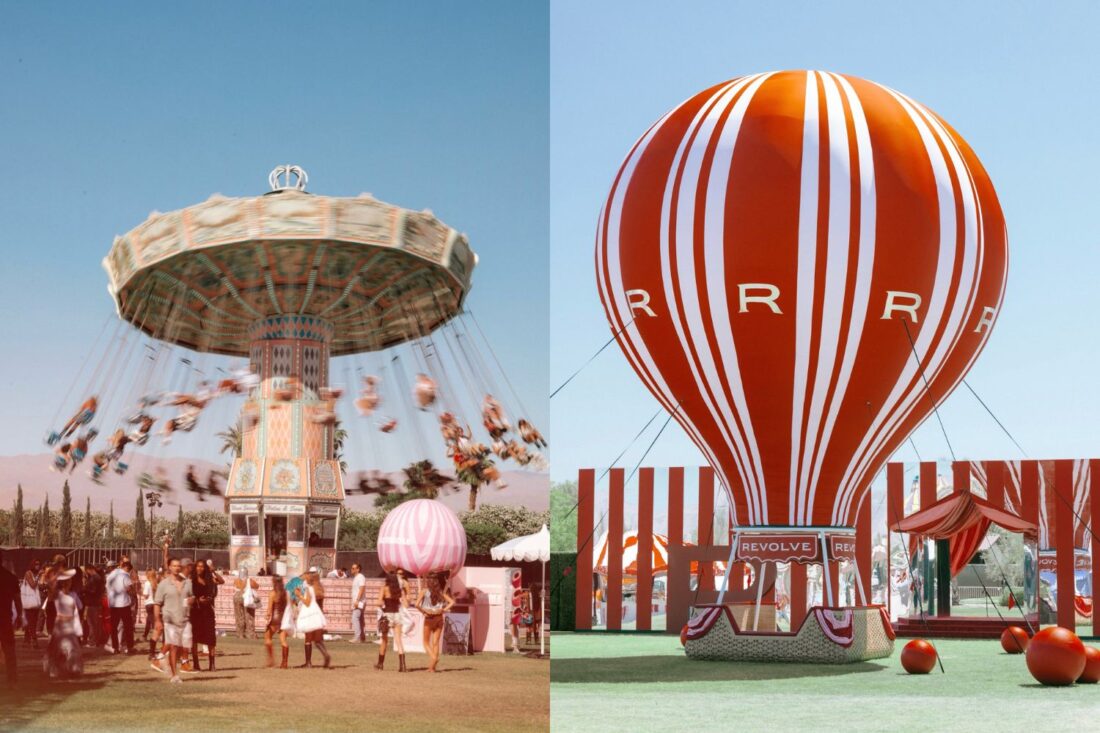
Revolve Festival returned for its ninth year at Coachella 2026. (Photo: Revolve)
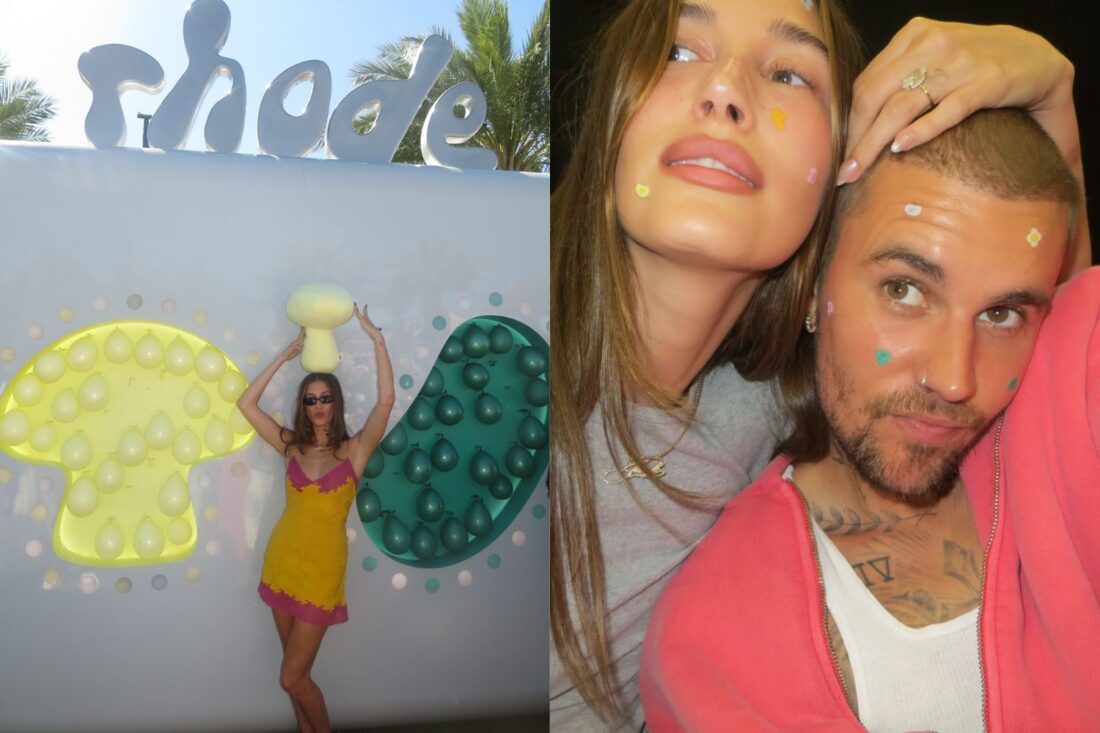
Rhode staged its first Coachella activation, coinciding with Justin Bieber's headline set. (Photo: Rhode)
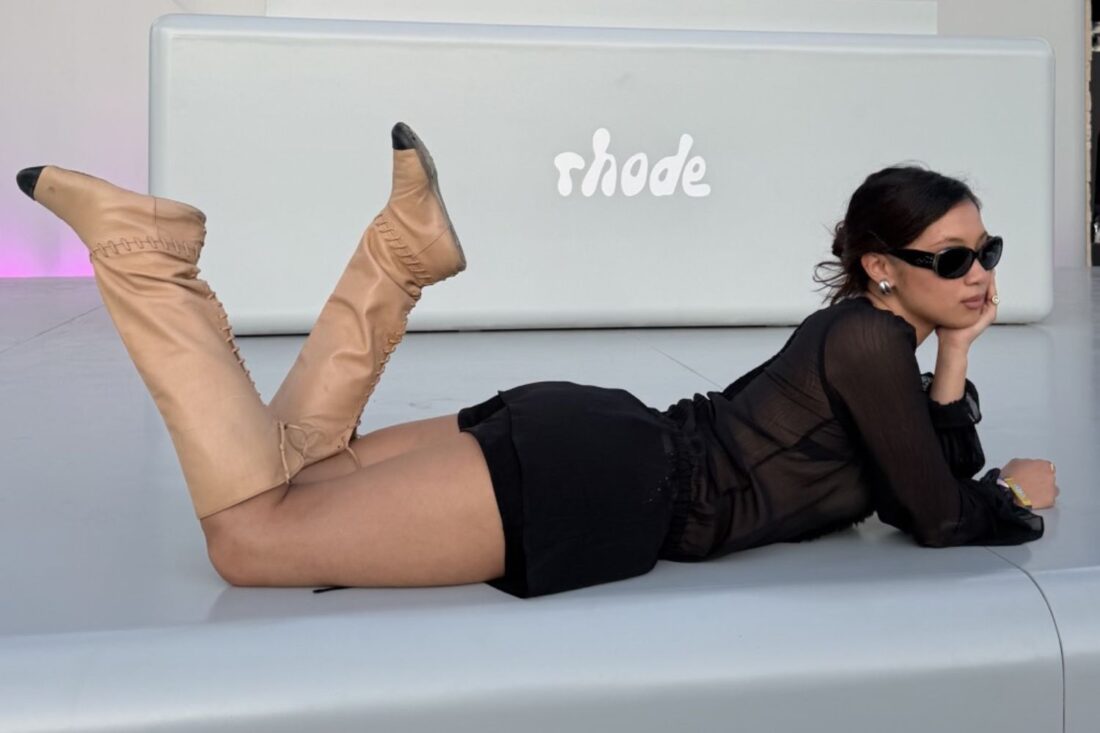
Isa Sung attends the Rhode x The Biebers activation at Coachella 2026. (Photo: Rhode)
The numbers, where they can be reliably tracked, justify the spend. Revolve recorded $7.67 million in earned media value across both weekends of Coachella 2025, making it the top-performing fashion brand in terms of unpaid media exposure during the festival, and Coachella-related influencer content overall generated an estimated $754 million in earned media value that year, more than triple what in-game Super Bowl brand placements delivered.
For brands competing in fashion, beauty, and lifestyle, those are the kind of figures that turn the conventional logic of paid marketing inside out. The downstream effects are just as telling. Beauty brands consistently dominate the festival’s earned media returns, turning weekend exposure into digital currency – at Coachella 2025, Rhode generated $3.63 million in EMV, with Kosas netting a close $3.61 million.
Rhode has since treated the festival as a full commercial stage rather than a sponsorship line item. For Coachella 2026, founder Hailey Bieber engineered the brand’s debut activation around husband Justin Bieber’s Saturday headline performance. Co-sponsored by Sephora, the event coincided with the launch of Rhode x The Biebers, a collaboration featuring a co-branded spot patch.
By folding a product drop, celebrity equity, and a major cultural moment into a single release window, the elements build upon each other. It functions less as a marketing expense and more as a shortcut through the first twelve months of a traditional market-entry playbook.
Activations as architecture
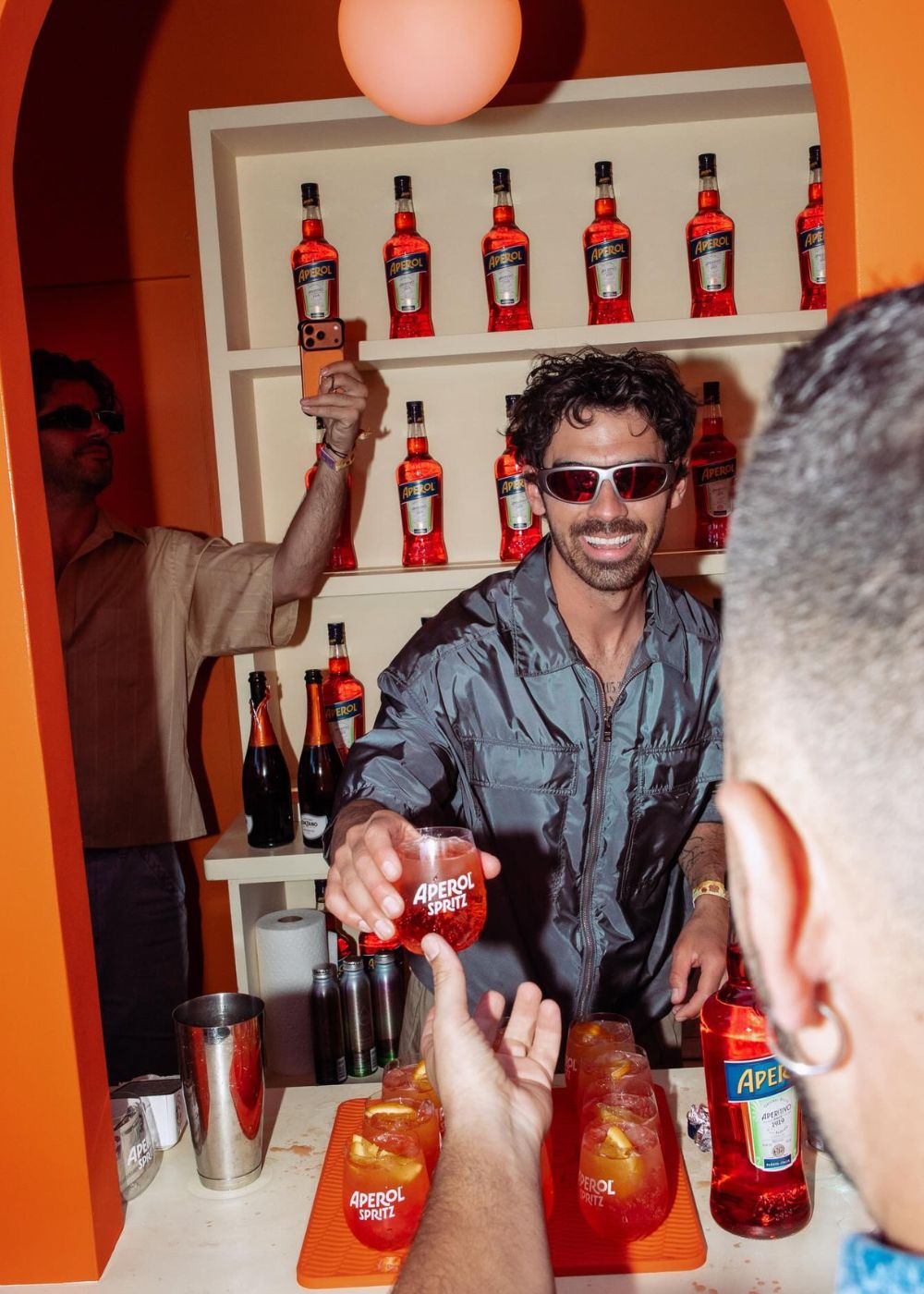
Joe Jonas brought his signature golden hour energy to the Aperol Day Club at Coachella. (Photo: Aperol Spritz)
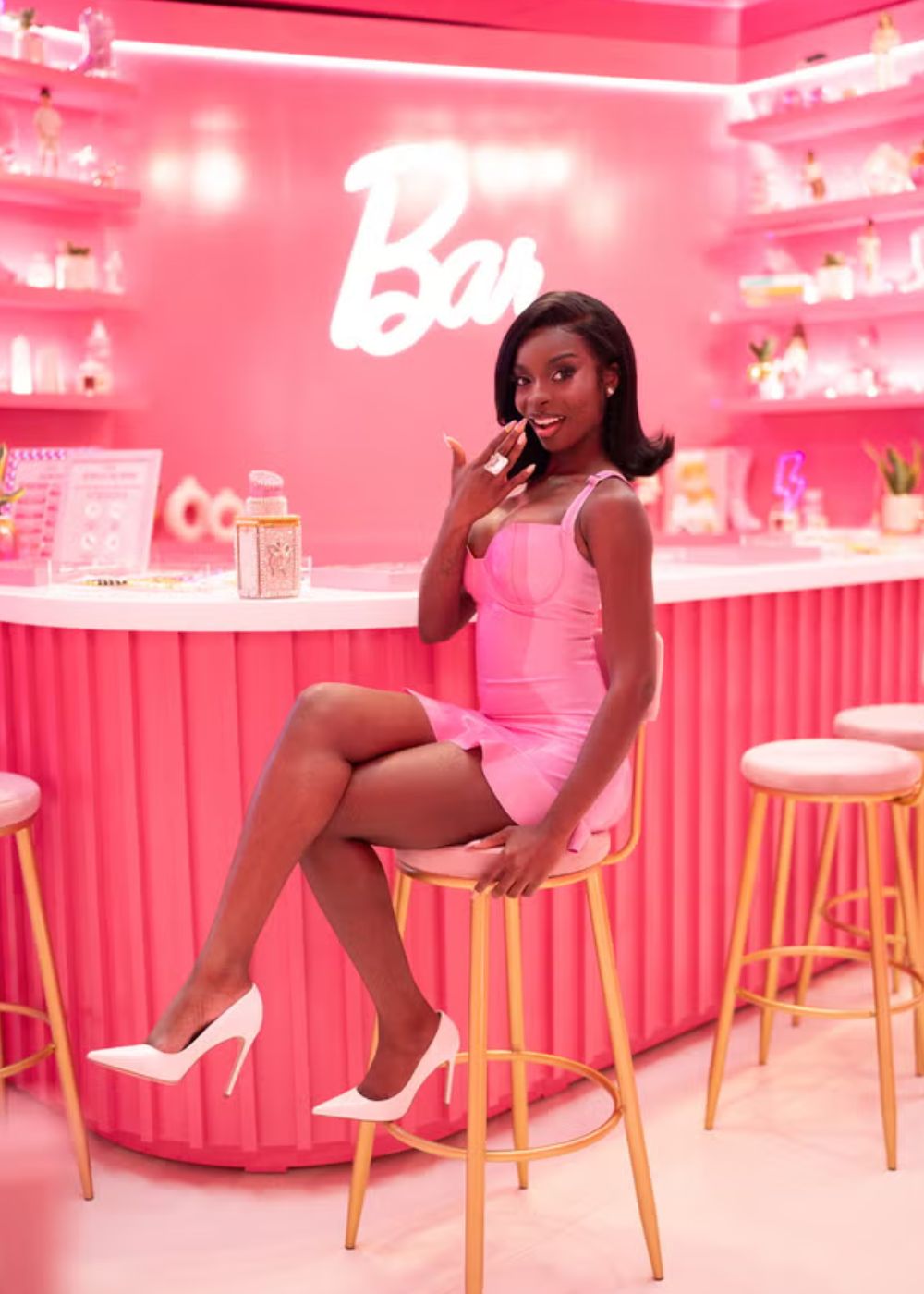
Olandria Carthen became the face of Barbie's first-ever appearance at Coachella. (Photo: Luciano Picazo)
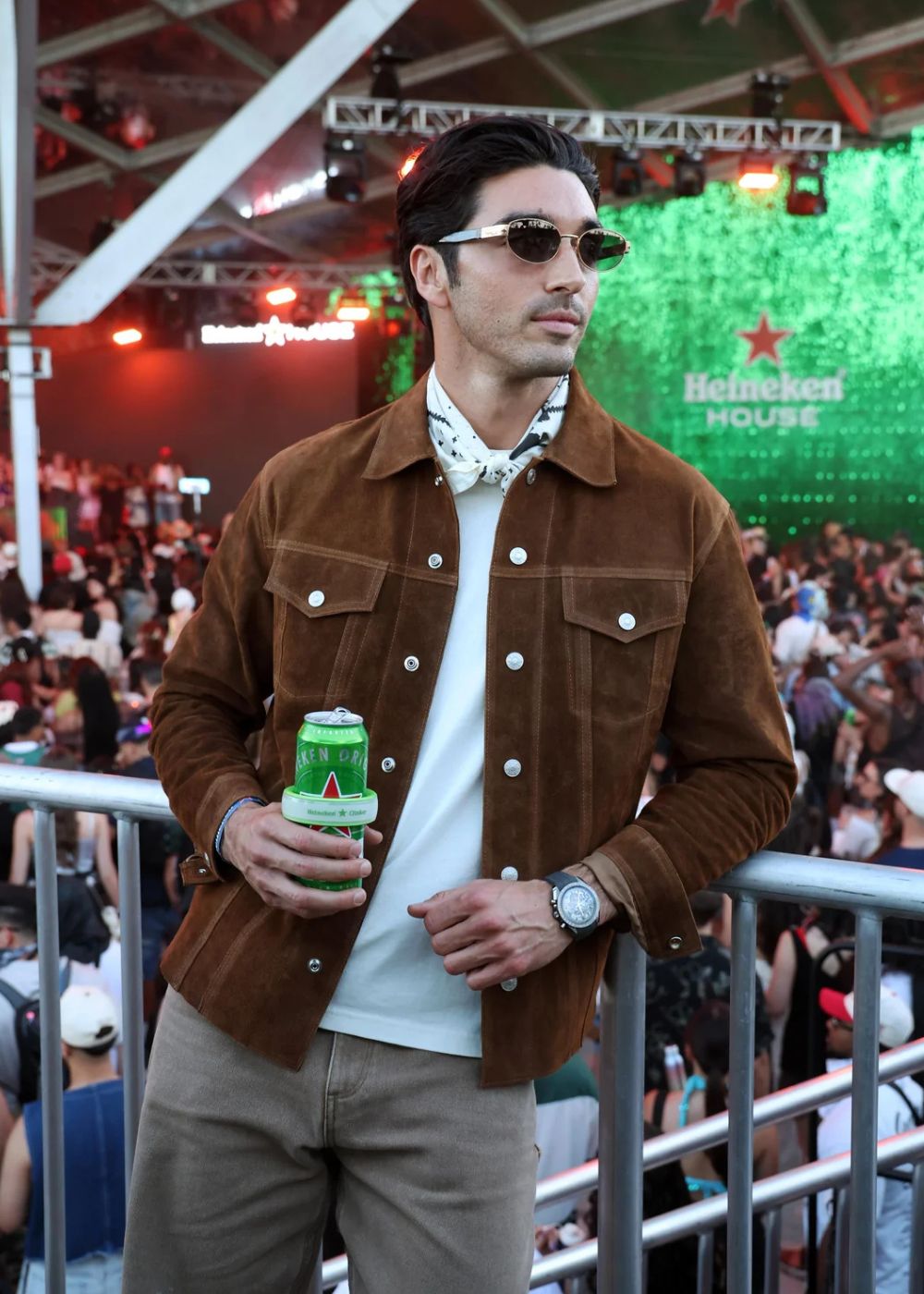
Taylor Zakhar Perez attends Heineken House at the 2026 Coachella Valley Music and Arts Festival. (Photo: Phillip Faraone)
Marketing budgets now mirror architectural ones, with brands moving past temporary pop-ups to commission fully realised environments. Aperol, returning for its fourth consecutive year as the festival’s Official Spritz Partner, opened the Aperol Day Club as a ‘transportive escape’ inspired by the cocktail itself, complete with orange-hued light installations, live DJ sets, and interactive stations where festival-goers could add tooth gems and bracelets to their outfits.
Following the same instinct for total immersion, Barbie made its Coachella debut, partnering with Love Island USA’s Olandria Carthen on a ‘You Can Be Any Barbie’ experience featuring a charm bar and a portrait studio with professional lighting. At the other end of the tenure scale, Heineken, a Coachella sponsor for twenty-three years running, has refused to coast on legacy. This year the brand is debuting ‘The Clinker’, a wearable device that analyses your music taste when you toast with a new friend, turning the act of clinking glasses into a piece of social tech.
The architecture is designed primarily to be photographed, with the physical experience treated as a secondary benefit for the few thousand people who actually walk through it. The activation is no longer the destination but the set, the crowd inside is the cast, and the real audience is everyone scrolling at home.
The price of invisibility
For brands competing in fashion, beauty, lifestyle, and increasingly tech, skipping Coachella has become its own kind of statement. Participation is no longer about winning the festival in any conventional sense. It is about not losing cultural share of voice to competitors who turned up. Marketing teams now treat the festival the way airlines treat hub airports, as essential infrastructure that costs a fortune to maintain and even more to lose.
This defensive logic is what keeps the cheques flowing even as costs climb. The question is rarely whether the spending is justified by direct return. It is whether a brand can afford to be culturally invisible during the one fortnight a year when its target consumer is paying closest attention.
The takeaway
View this post on Instagram
Coachella is a useful case study in how culture, commerce, and content have collapsed into a single event. The festival has not abandoned its musical roots so much as built an entire commercial ecosystem on top of them, one in which the line-up serves as the gravitational pull and everything else, the fashion, the activations, the influencer economy, the luxury arrivals, generates the value.
For the brands, creators, and festivals trying to replicate the model elsewhere, the lesson is harder than it looks. Coachella is not successful because it sells tickets, or because it books the right headliners, or even because it photographs well in the desert light. It is successful because it has become a rare phenomenon in modern marketing – a place where the audience, the content, and the moment all happen at once, and where being present is worth almost any price.
Catch up on more entertainment stories here.