




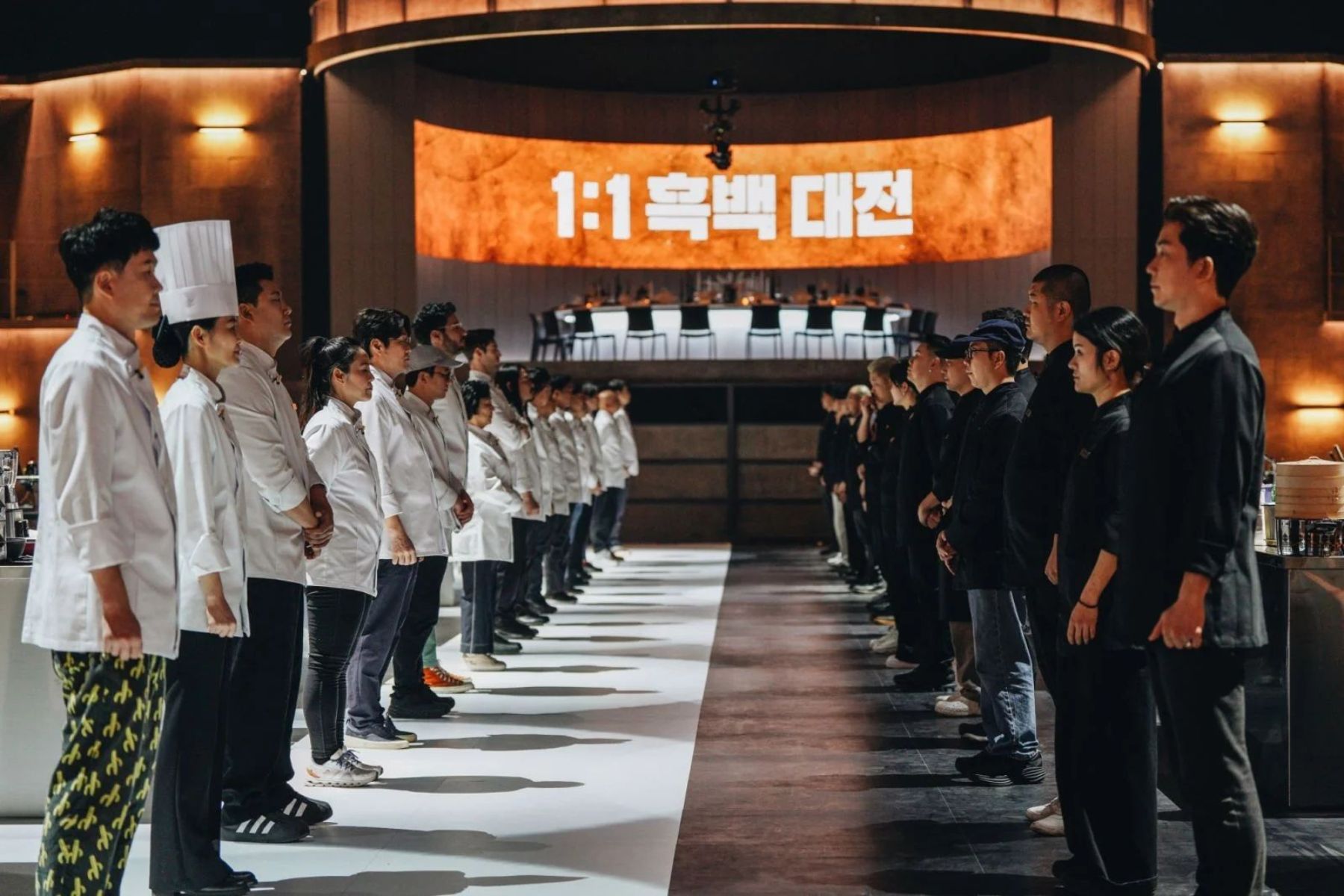




When Culinary Class Wars debuted on Netflix, few could have predicted the cultural force it would become. Viewers watched seasoned masters (White Spoon chefs) and rising talents (Black Spoon chefs) clash under pressure, and by the end of it, the series had firmly established itself as one of the most compelling culinary shows in recent memory.
Beyond the finale, many of the season’s chefs gained international recognition, demonstrating how Culinary Class Wars could transform careers and bring culinary innovation into everyday life.
Now, anticipation is mounting as Culinary Class Wars returns for its second season, premiering globally on Netflix on 16 December at 4pm Malaysian Time (MYT). The first teaser revealed some of the elite White Spoon lineup such as Michelin two-star Chef Lee Jun, Korean culinary heavyweight Chef Son Jong-won, Korea’s first master of temple cuisine Venerable Seonjae, and Hu Deok-juk, a Chinese cuisine master whose career spans nearly six decades.
Here’s a closer look at these four culinary luminaries set to shape the next season of Culinary Class Wars.
Chef Lee Jun
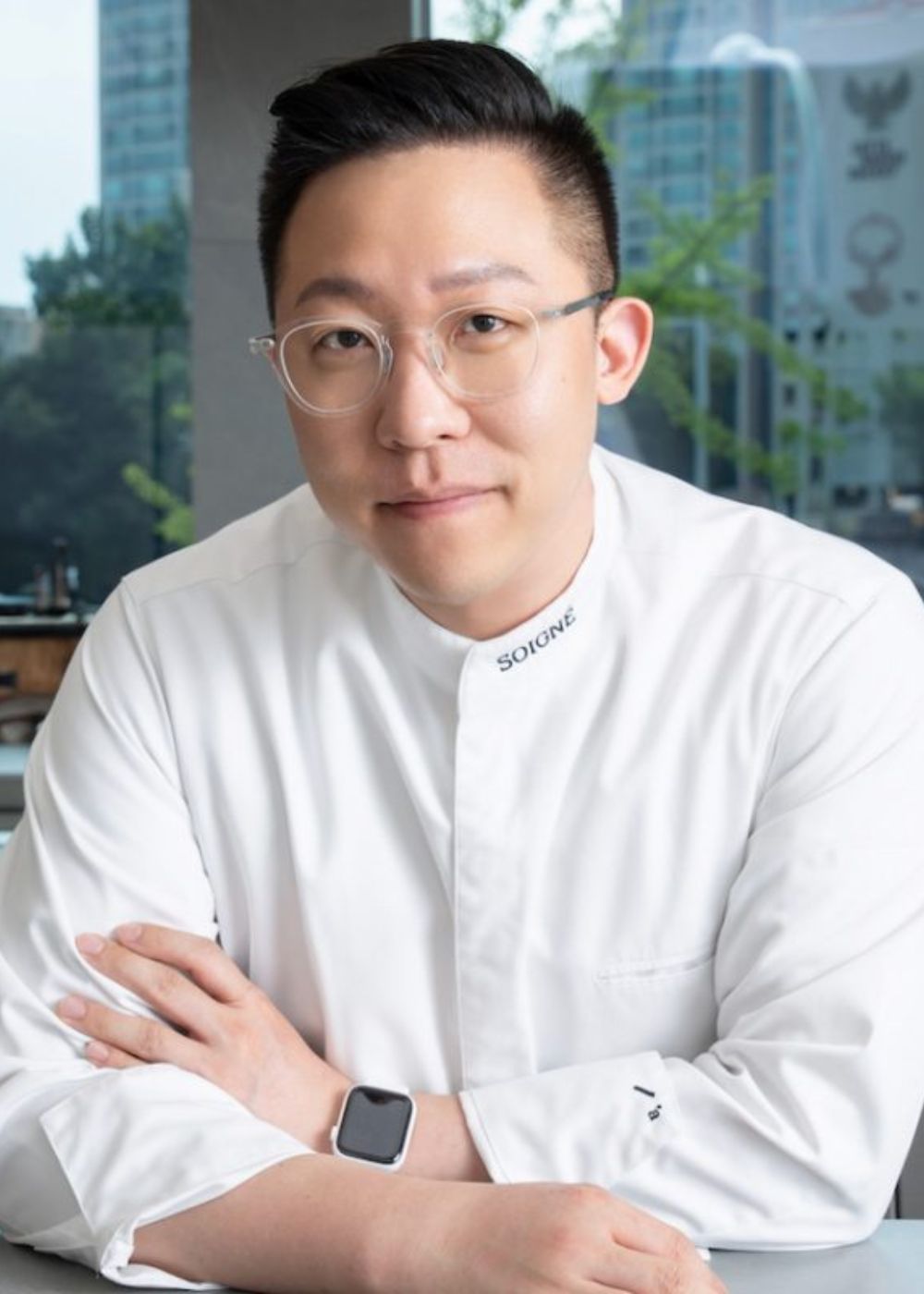
Chef Lee Jun stands among Korea’s most influential contemporary chefs, a figure whose approach to fine dining reflects both global rigor and deeply personal creativity. As the owner and executive chef of Soigné in Seoul, Lee has guided the restaurant from its first Michelin star in 2017 to two stars in 2022, cementing his place at the forefront of Seoul’s gastronomic scene.
Born in 1983, Lee’s culinary journey has been shaped by rigorous training and global experience. He studied Culinary Arts at Kyunghee University in Seoul before attending the Culinary Institute of America. There, he trained in some of the world’s most demanding kitchens, including Thomas Keller’s three-Michelin-starred Per Se, and later joined Michelin-starred Lincoln as part of its founding team.
When Lee returned to Seoul, he embarked on a series of experimental dining ventures and pop‑ups that laid the groundwork for his restaurant, Soigné, whose name means ‘elegantly dressed’ in French. Rather than relying on static signature dishes, Soigné operates on rotating “episode menus” that shift every three months, inviting diners to experience Seoul through shifting seasonal themes that blend Korean heritage with French, Italian, and American influences.
Lee’s philosophy emphasises that great cuisine should evoke memory and emotion as much as satisfy the palate. Beyond accolades, Lee has become a guide for future chefs, advocating for culinary careers as creative pursuits that bridge cultures and tell stories.
Chef Son Jong-won
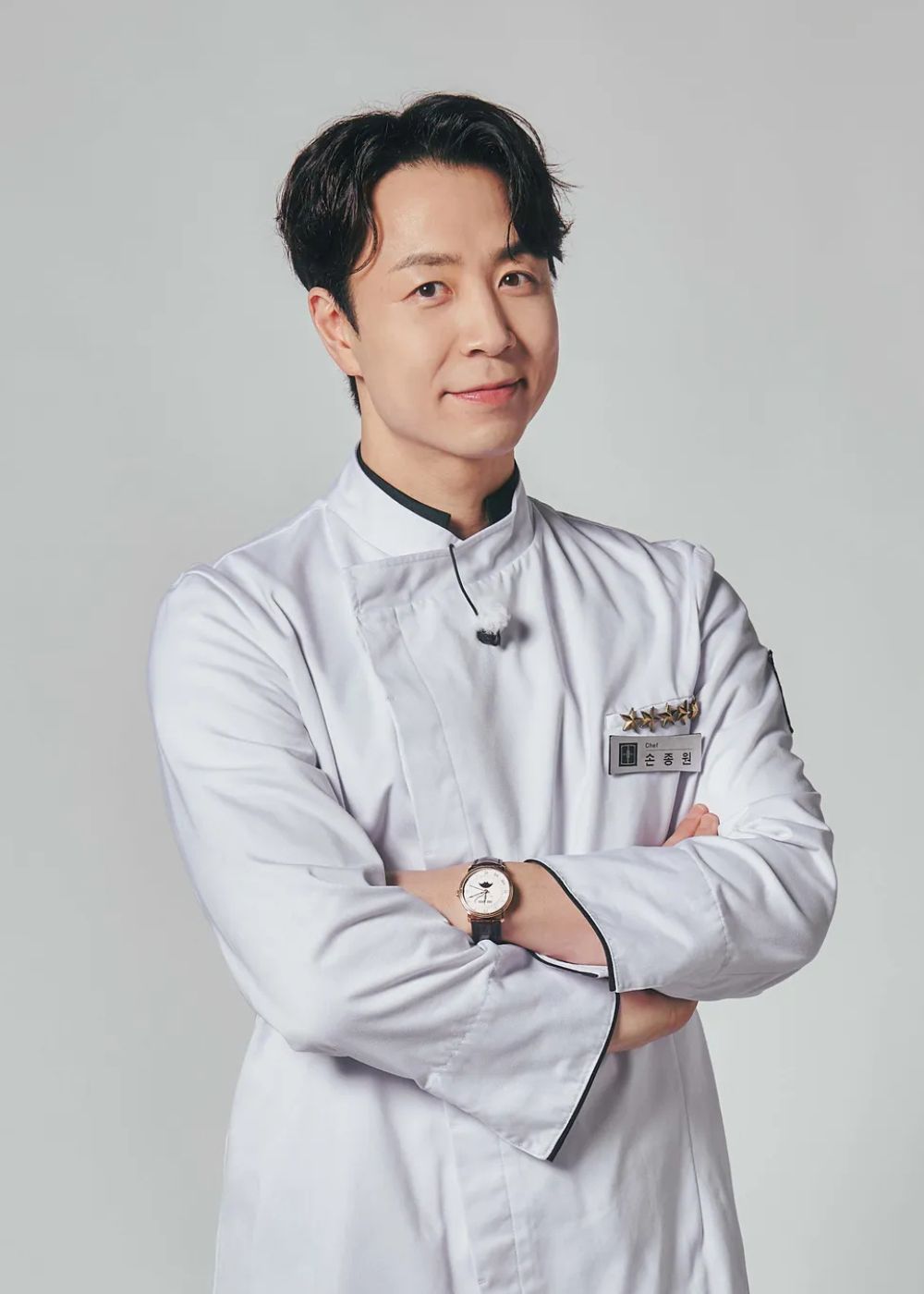
At 41, Chef Son Jong-won occupies a rare position in Korea’s dining landscape: he is the only chef in the country currently helming two Michelin one-star restaurants, L’Amant Secret and Eatanic Garden. Each reflects a different facet of his culinary identity – one intimate and quietly luxurious, the other expansive and deeply connected to sustainability and modern gastronomy.
After training at the Culinary Institute of America, he honed his craft in Michelin-starred kitchens across the United States, absorbing Western techniques before returning to Korea with a sharpened sense of purpose. His cooking resists easy categorisation. While grounded in Korean sensibilities, it draws freely from Western fine-dining frameworks, resulting in plates that feel deliberate, thoughtful, and restrained.
In 2024, his international stature was further affirmed when he was named one of La Liste’s “New Talents of the Year,” an accolade that recognised not just technical skill, but vision. On Culinary Class Wars, the question is not whether he can cook at the highest level, but how his meticulous approach will translate in a competition defined by speed, surprise, and emotional intensity.
Venerable Sunjae
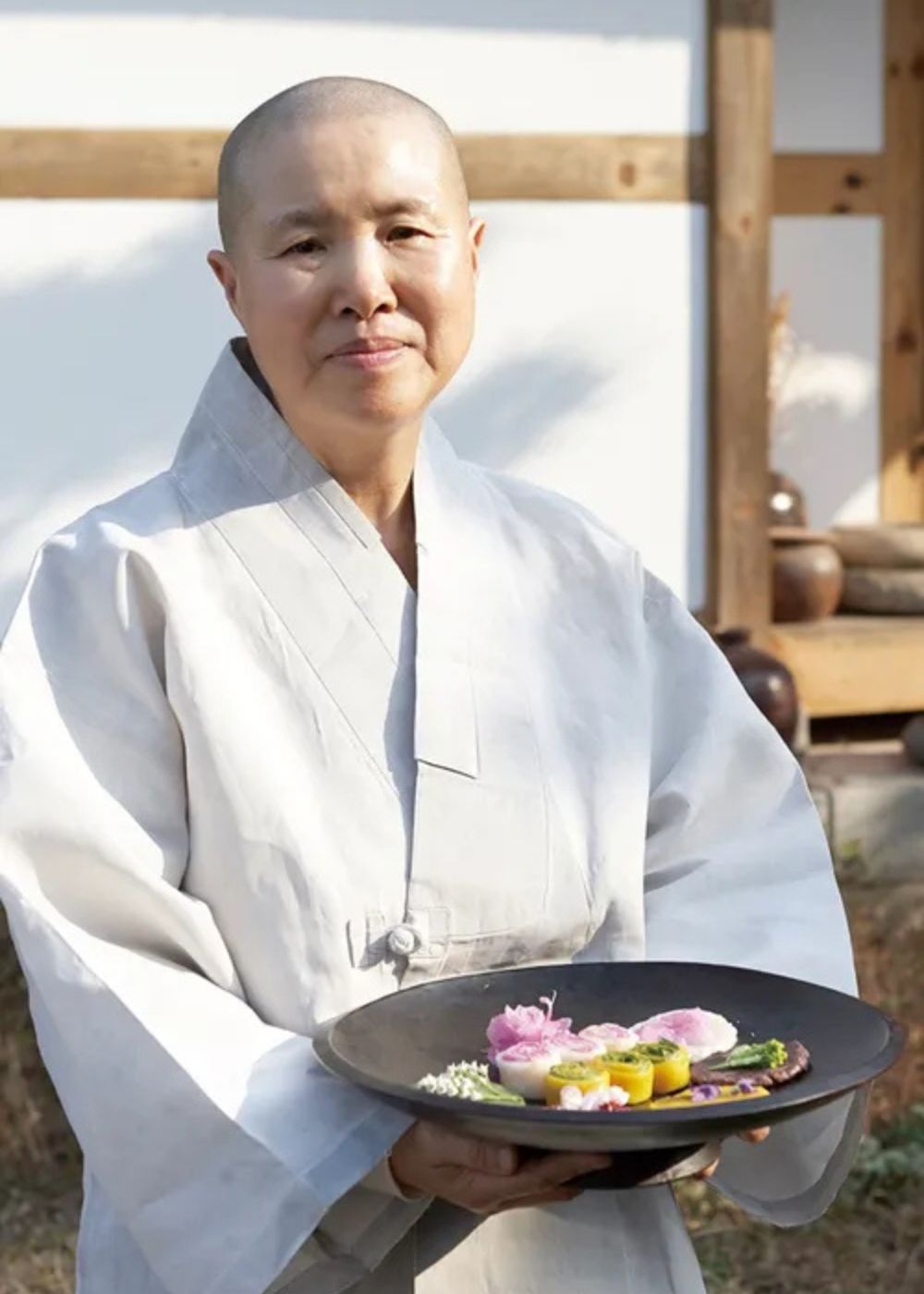
If Chef Son represents modern precision, Venerable Seonjae embodies timeless philosophy. Born in 1956, the 69-year-old monk is widely regarded as Korea’s first master of temple cuisine, a title that reflects both her culinary authority and cultural impact. For decades, she has dedicated her life to advancing temple food beyond monastery walls, reframing it not as ascetic sustenance, but as a living, evolving culinary tradition.
Temple cuisine, rooted in Buddhist principles, avoids meat, garlic, and strong stimulants, emphasising seasonal vegetables, fermentation, and balance. For Venerable Seonjae, this philosophy extends beyond the plate. Her belief that “food is medicine” has guided her work as an author, educator, and cultural ambassador. Her book, A Study of Temple Food Culture, remains a foundational text, and her contributions have earned her recognition as a holder of Cultural Merit (Bojang).
In October 2025, she presented temple cuisine at the APEC CEO Summit special banquet in Gyeongju – an extraordinary moment that brought monastic food to a global diplomatic stage. She has also lectured internationally, including at Le Cordon Bleu, sharing the spiritual and practical dimensions of vegetarian temple cooking with chefs trained in classical Western traditions.
Her participation in Culinary Class Wars brings a different rhythm and perspective to the competition. In a competition often driven by spectacle and indulgence, Venerable Seonjae offers restraint, intention, and moral clarity. Her presence challenges the very definition of culinary excellence, asking whether philosophical depth can stand shoulder to shoulder with technical mastery in the heat of competition.
Chef Hu Deok-juk
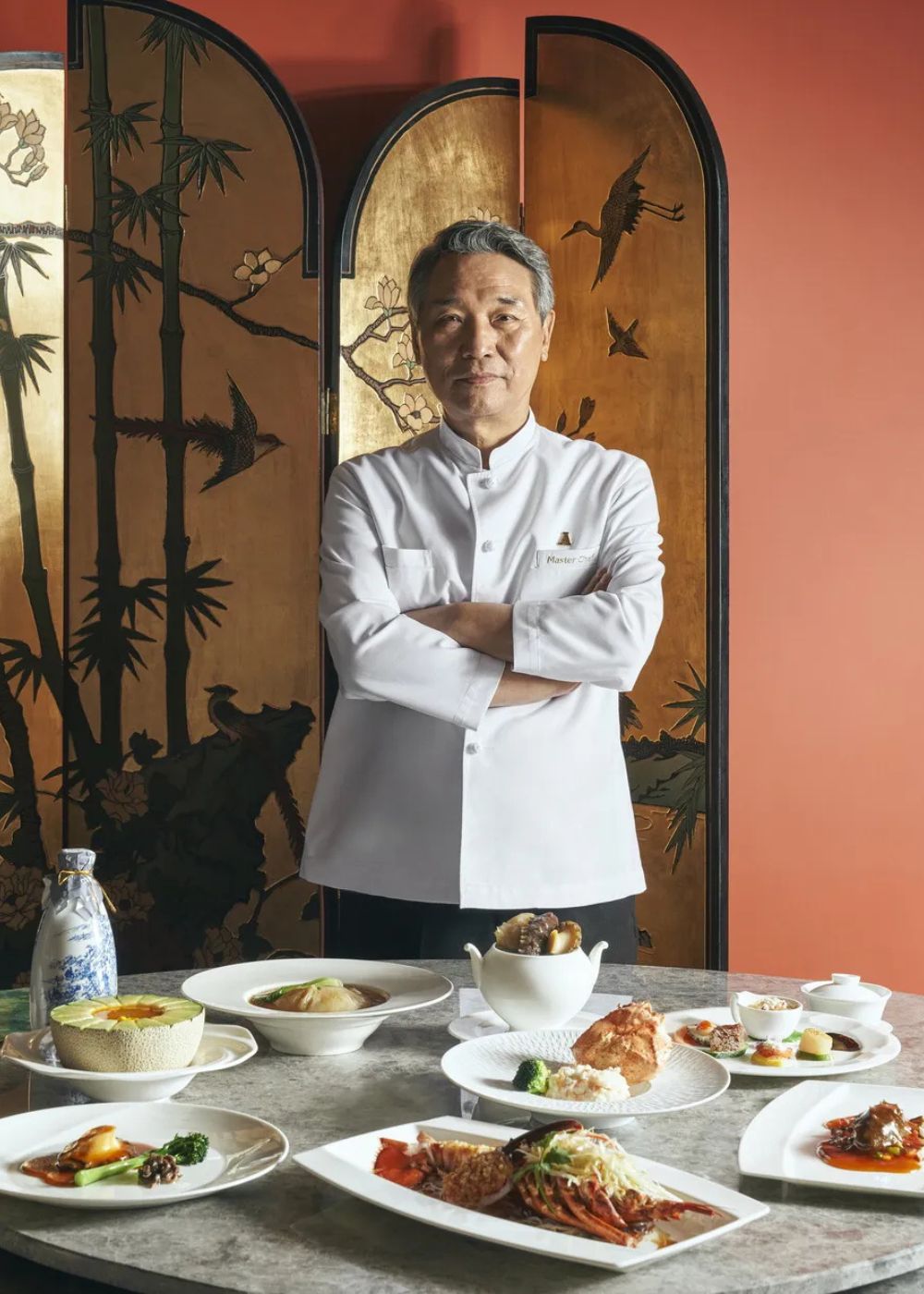
At 76, Chef Hu Deok-juk brings the weight of history to season two. Born in 1949, he began cooking in the 1960s under masters from Taiwan and mainland China, learning in a time when culinary knowledge was passed through rigorous apprenticeship rather than formal schools.
Chef Hu made history as the first Korean chef to serve as Managing Director of Palsun at The Shilla Hotel, a role that placed him at the helm of one of the country’s most prestigious Chinese restaurants within a major conglomerate. Among his achievements is cooking for international dignitaries, including former President of the People’s Republic of China Jiang Zemin, who praised Hu’s expertise during his 1994 visit to Korea.
Since 2022, he has led Haobin Seoul on the second floor of the Ambassador Seoul Pullman Hotel, where his cooking continues to emphasise clarity, balance, and respect for tradition. His lifelong dedication was formally recognised in 2024 with a Michelin star and the Mentor Chef Award – honours that celebrated not only his food, but his role in nurturing generations of chefs.
On Culinary Class Wars, Chef Hu stands as a living archive of technique and experience. We can’t wait to see him in action, as he demonstrates that mastery is measured not only in innovation, but in endurance, humility, and the sharing of knowledge.
Discover more inspiring stories of people and their craft here.
Feature Image: Netflix