








In a world that constantly pushes for more – more output, more visibility, more success – the idea of “balance” has become both a goal and a moving target. It’s something often spoken about yet rarely achieved.
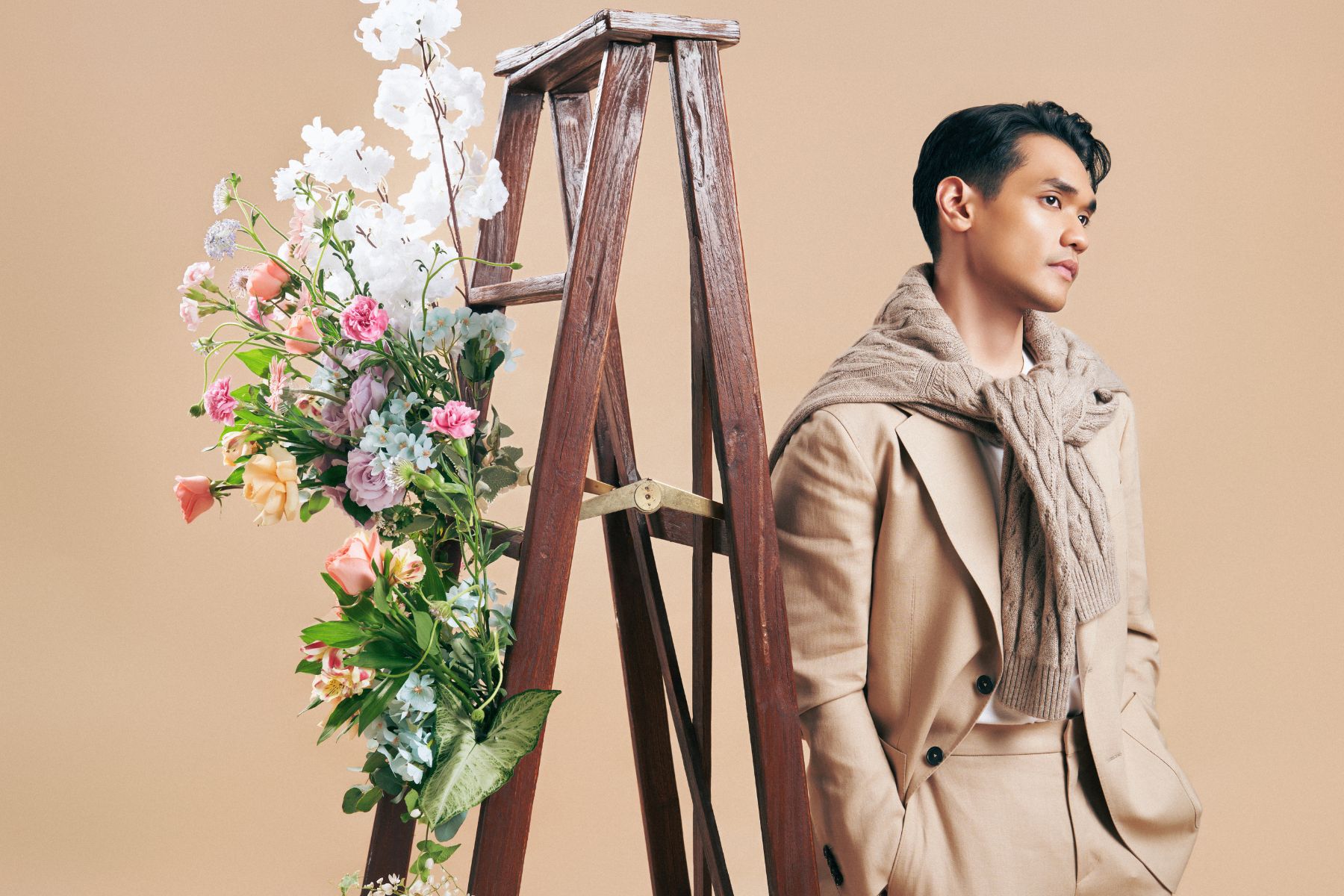
Indonesian singer Afgansyah Reza, more fondly known as Afgan, is no stranger to that struggle. Across his 18-year music career, balance has taken on various meanings at different stages of his life – shaped by the push-and-pull between growth and identity, control and surrender. With his latest album, Retrospektif, he leans into those contrasts, offering not answers, but a candid reflection of what it means to live within them.
Past vs present: From solitude to self-assurance
Growing up, Afgan describes himself as a quiet, reserved child who often felt out of place. “I always felt like I didn’t belong… but music made me feel accepted,” he tells us after our cover shoot in Jakarta. “During lunch breaks at school, I always had my iPod on and just sat in the corner somewhere. Music was my best friend, and it still is today.”
While his family and peers were listening to pop songs, Afgan was drawn to classical compositions by the likes of Beethoven and Mozart. It was an unusual preference for someone so young, but it shaped the way he understood emotion through sound. That foundation later expanded into a deep appreciation for R&B and soul, with artists like Stevie Wonder and Whitney Houston influencing his musical instincts and emotional expression.

“I always felt like I didn’t belong… but music made me feel accepted.”
By the age of seven or eight, he began emulating Brian McKnight’s smooth harmonies and realised he could sing. At 18, his private and deeply personal relationship with music took an unexpected turn. A casual visit to a karaoke lounge led to a life-changing moment when he was overheard singing and soon after offered a recording opportunity.
The release of his debut album, Confession No.1, in 2008 introduced him to a wider audience and quickly established him as one of Indonesia’s most promising young voices. Since then, Afgan has released nearly half a dozen studio albums and EPs in both English and Indonesian, alongside global collaborations.
Reflecting on his earlier work, however, the 36-year-old now recognises a version of himself that was still finding his footing – careful, somewhat guarded, and often guided by external direction. “I was afraid to step out of my comfort zone back then,” he reveals, “but now I have more courage to try new things, new sounds. And I think that comes with experience.”
Experimentation vs expectation: Finding the middle ground
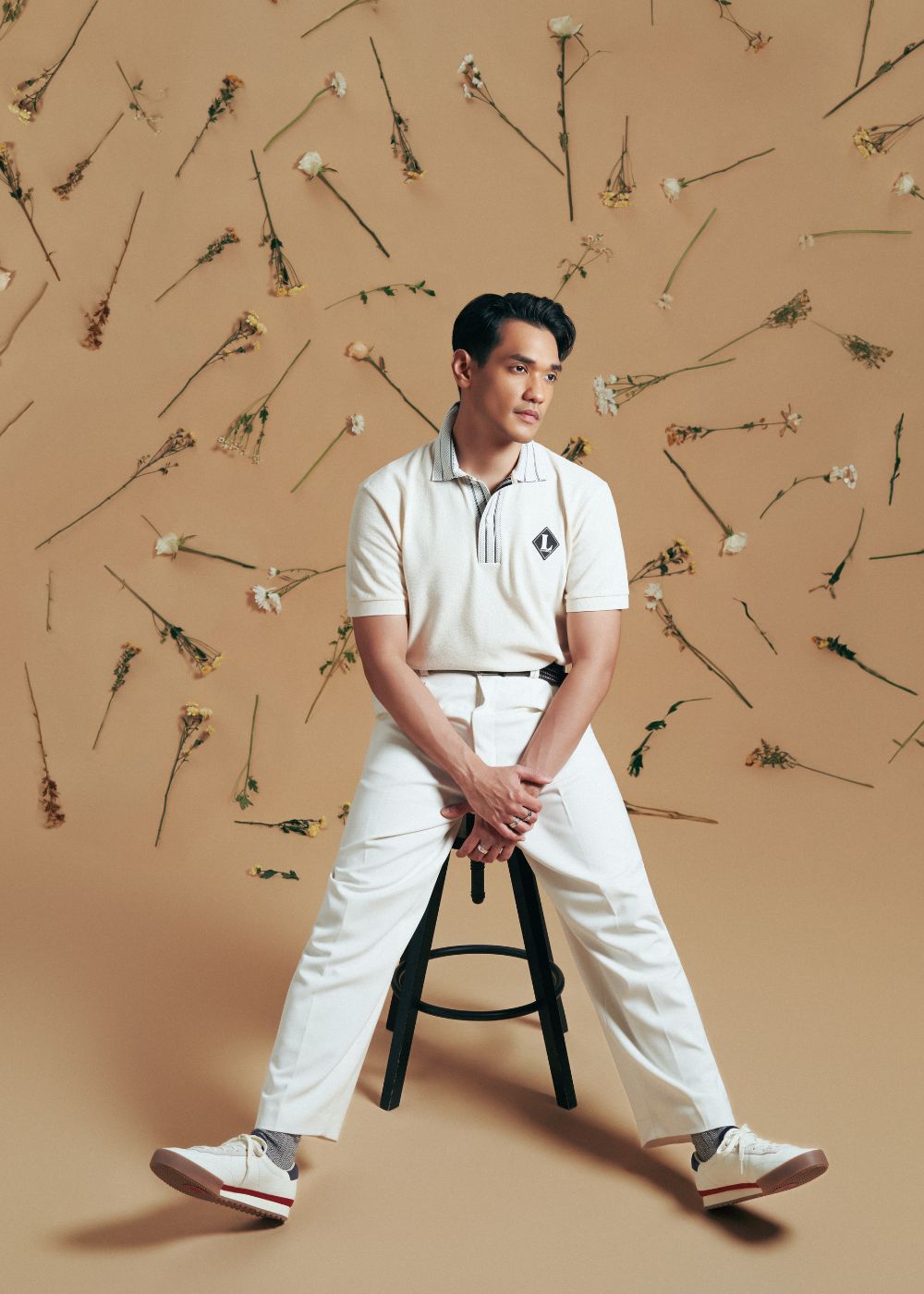
While his early discography was rooted in Indonesian pop, later years saw him branch out into R&B with his first global album, Wallflower (2021), followed by electronic influences with Sonder (2024) – reflecting his desire to explore beyond the familiar. But with each new direction came a tension between what felt creatively fulfilling and what listeners had come to associate with his sound.
“Back then, I didn’t have that middle ground between my experimentation and what people really wanted to hear from me,” he says. “I was still trying to figure it out, but I needed that process because I learned a lot through it.”

Collaborations also played a key role in this phase of growth. Working with international artists, including Robin Thicke and Jackson Wang, pushed him further outside his comfort zone. He fondly recalls his track with the latter K-pop star, ‘M.I.A’, as one that resonates most with his style, feeling natural rather than calculated.
“I love it when artists can really connect as human beings, you know? And that type of connection, for me, is rare, and when it happens, the result is something that feels really organic,” he elaborates on their partnership.
“When you’re revisiting the past, you have to take the good and the bad and learn from it, so you become a better version of yourself.”
For a long time, however, that balance remained elusive. It often felt like he had to choose between two extremes rather than finding a space where both could exist. With Retrospektif, that happy medium finally takes shape. The album bridges the gap between familiarity and maturity, grounding itself in strong melodies and introspective lyricism while allowing his individuality to come through more freely.
“On this album, I really dove into the deepest, most honest place in my heart, and I just put it out there,” he reveals. “Once you know what you want and how you want to sound musically, it’s pretty simple – you just follow your heart, and because it comes from a vulnerable place, it becomes effortless.”
It’s this growing sense of self-assurance that informs the album’s title. “It means that when you’re revisiting the past, you have to take the good and the bad and learn from it, so you become a better version of yourself,” he explains.
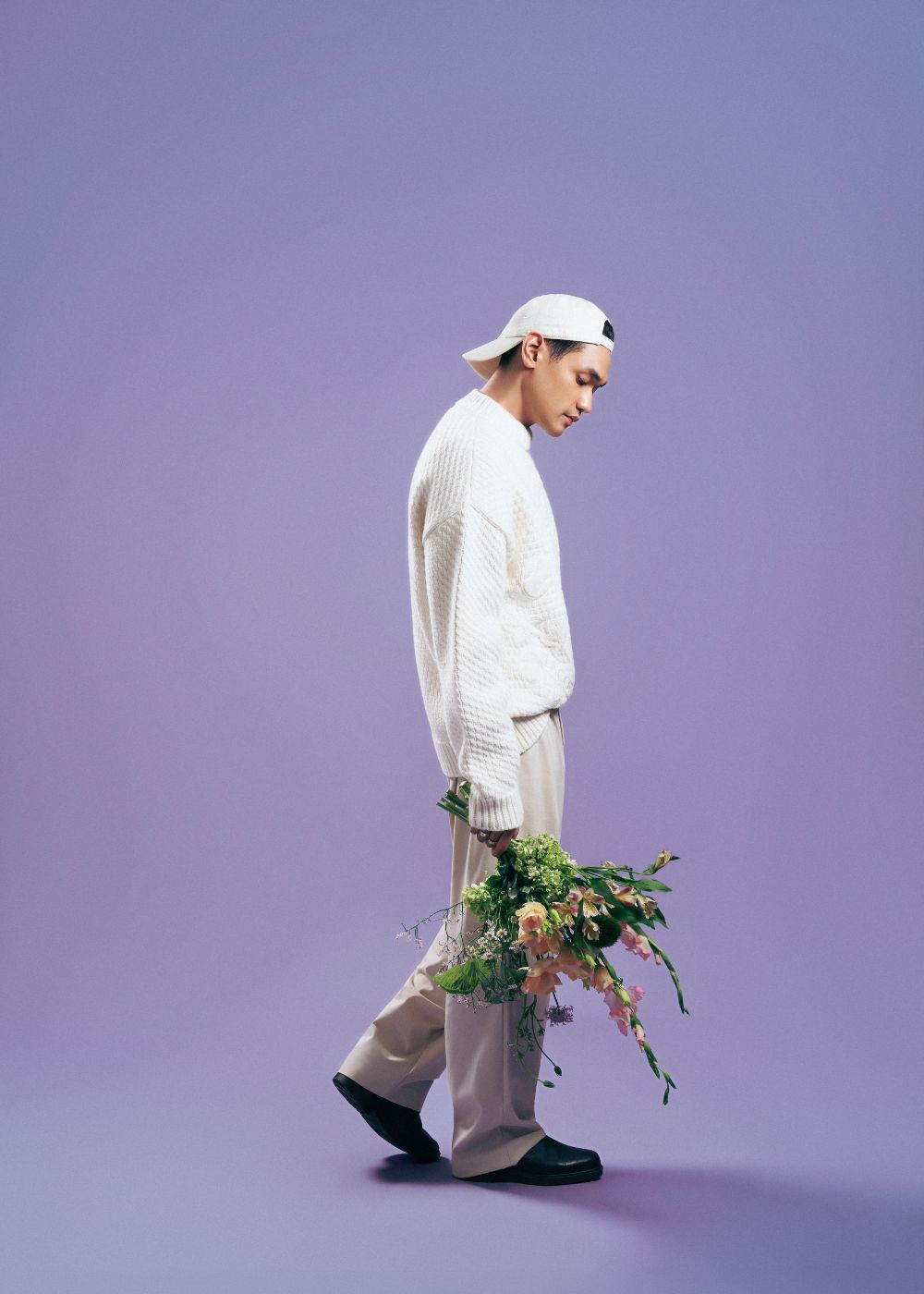
Control vs surrender: Creating Retrospektif
Sound aside, what makes Retrospektif stand out in Afgan’s catalogue is the way it came together behind the scenes. Known for being meticulous and detail-oriented, the self-professed “control freak” made a conscious decision this time to step back and loosen that control.
Instead of entering the studio with pre-planned moodboards and references, he allowed the process to unfold more organically. Working in Bali with his producer and co-writers, each session began with unstructured, open-ended conversations rooted in everyday experiences. “We’d talk for about an hour before going into the studio, and from that, an idea would come up. Then we’d just follow that feeling,” he shares.
“I think the process of creating Retrospektif really healed me in so many ways that I have become a changed man.”
This sense of spontaneity carried through to the production. Without overthinking each element, the songs retain a certain immediacy – capturing emotions as they were, rather than refining them into something more marketable but distant.
“A lot of my vocals are very raw, with cracks and distortions and everything. I just left them there because I feel like the imperfections add more soul to the songs,” he says.
When asked which number hits home the most from the album, Afgan doesn’t hesitate to point out the album opener, Misteri Dunia. “It speaks a lot about trust and having faith in yourself, and also in something greater than yourself, which is God,” he explains. “It has become my mantra. I listen to it when I‘m about to start my day, or sometimes when I come back from work and try to unwind.”

Purpose vs pressure: Music that connects authentically
If Retrospektif is shaped by reflection, it is ultimately guided by where Afgan is headed. “This album came from this inner work that I’ve done throughout the years; the spirituality that I have been practising every single day,” he says earnestly.
“I think the process of creating it really healed me in so many ways that I have become a changed man,” he continues. “I feel like, right now, I’m the best version of myself. I’m still a work in progress, for sure, I feel like this album comes from the right mindset.”
Ultimately, Afgan hopes his music can be a companion and refuge for his listeners. “Whatever they’re going through in their lives, I want them to feel seen and understood when they listen to my songs,” he avows. “With Retrospektif, especially, I created it from a very vulnerable place, so my biggest hope is that it can build a sense of connection and empathy.”
“Life doesn’t have to be perfectly balanced all the time, but there’s peace in knowing that what you’re doing is aligned with who you are and what you believe in.”
As for what comes next, Afgan is keeping a mindful approach. While his focus remains on bringing Retrospektif to life on stage in Jakarta, conversations are already underway about extending that experience beyond Indonesia. Malaysia, in particular, remains part of that conversation – not just as a tour stop, but as a place that continues to feel like a second home for him, having once studied at Monash University in Kuala Lumpur for three years.
Nothing has been confirmed just yet. But true to theme, Afgan is trusting in the process: “For me, balance today is really about alignment between intention and action. From there, everything tends to fall into place more naturally. It doesn’t mean life becomes perfectly balanced all the time, but there’s peace in knowing that what you’re doing is aligned with who you are and what you believe in.”
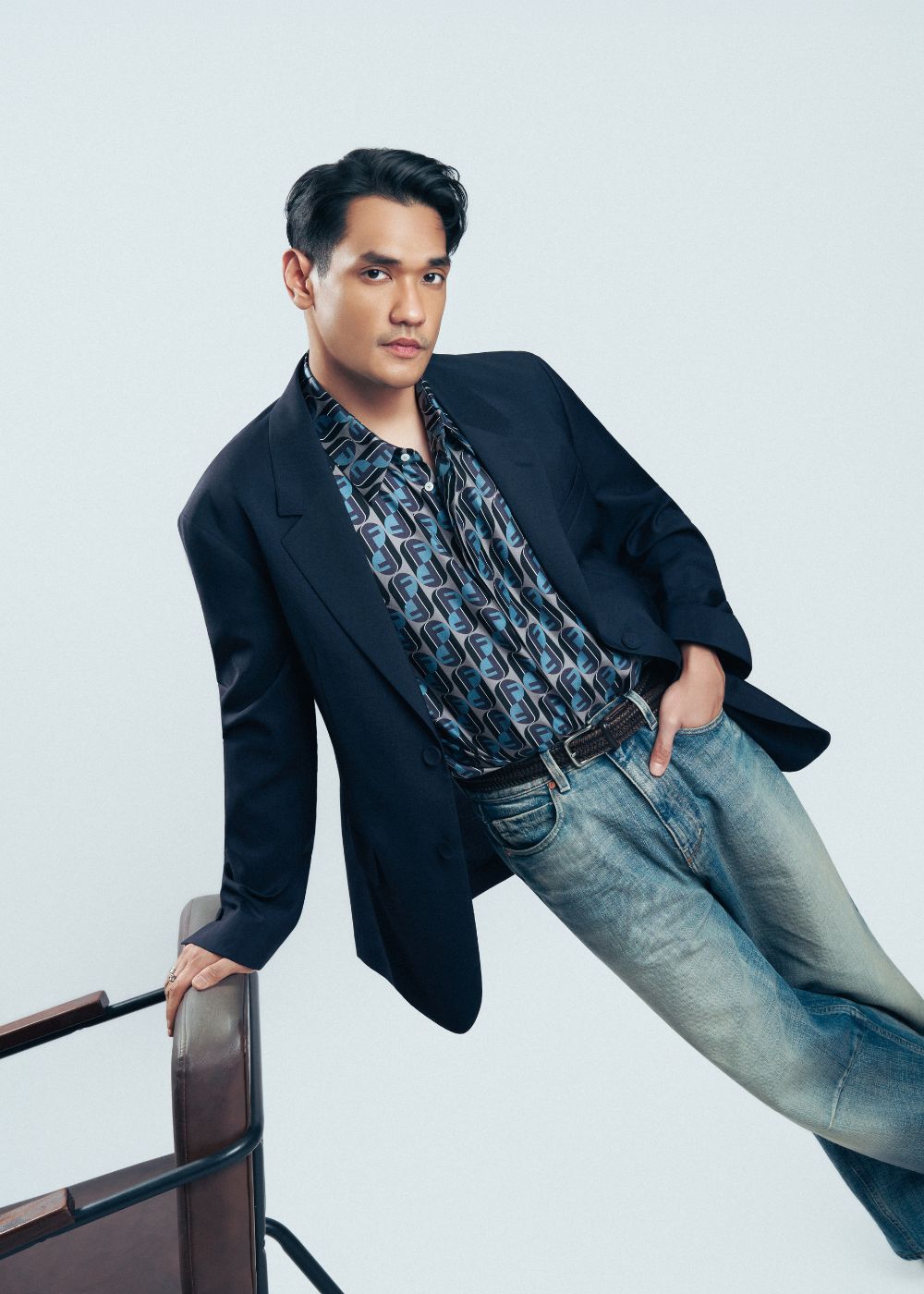
Editor, interview, and words: Natalie Khoo
Art direction: Imran Sulaiman
Photography: Winston Gomez
Videography: Faim Achmad and Adea
Styling: Ajeng Dewi Swastiari
Styling assistant: Rayyan
Hair: Emi Xu
Makeup: Claudya C
Studio: 11 Studio Jakarta
DI: WG Creative Agency
Florist: Talula Florist
Browse our past Inspire cover stories here.